
International
Israel Preparing Strikes on Iran’s Underground Missile Bunkers as War Escalates

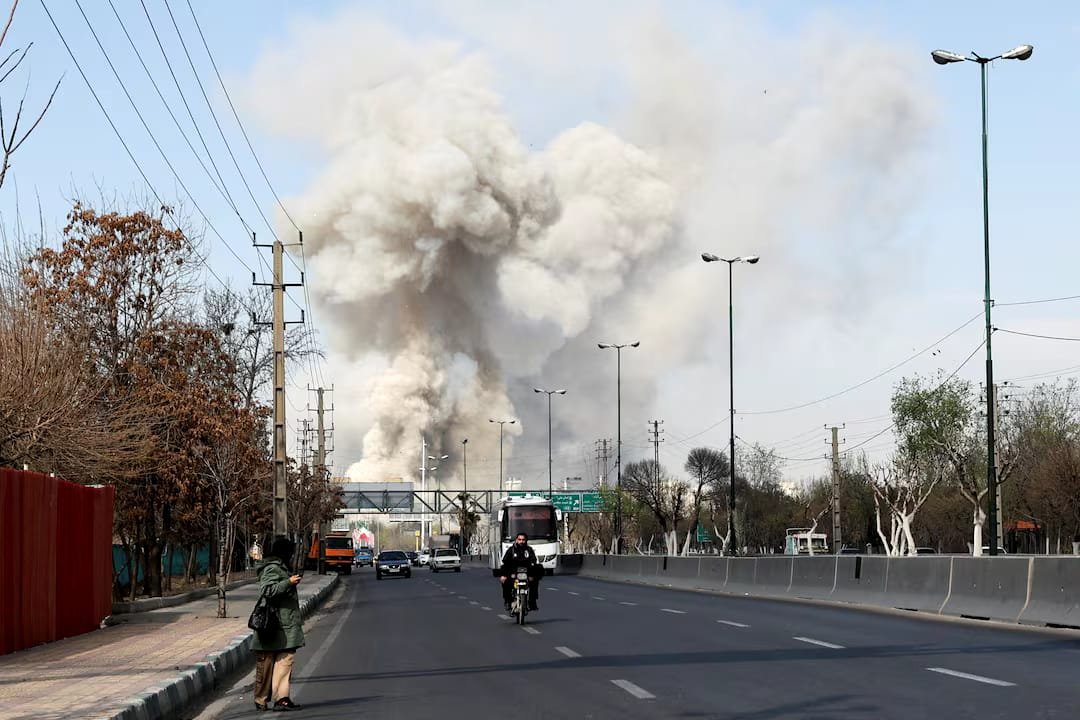
Israel is preparing to launch attacks on Iran’s underground ballistic missile facilities as the conflict between the two countries enters what officials describe as the second phase of the war, according to sources familiar with the military campaign.
Two sources with knowledge of Israel’s strategy said the Israeli Air Force is expected to target deeply buried missile bunkers and storage facilities across Iran. The move follows earlier operations that focused primarily on destroying above-ground missile launchers and military infrastructure.
The war, which began after Israeli strikes on Iranian targets in late February, has rapidly escalated into one of the most serious military confrontations in the Middle East in recent years. The opening wave of attacks reportedly killed several senior Iranian figures and triggered retaliatory missile and drone strikes by Tehran against Israeli targets.
Israeli officials say the next phase of the campaign aims to weaken Iran’s remaining missile capabilities by destroying facilities where ballistic missiles are stored or hidden underground. Intelligence estimates suggest Iran possesses thousands of missiles, many kept in hardened underground bunkers designed to withstand air attacks.
Military analysts believe these underground sites; sometimes referred to as “missile cities” are central to Iran’s ability to continue launching long-range missile strikes against Israel and its allies in the region.
The Israeli military has already confirmed that it carried out overnight strikes on underground missile storage locations, signalling a shift in operational focus toward destroying Iran’s remaining strategic weapons.
The widening conflict has raised fears of a broader regional war. Iran has continued to fire missiles toward Israel, while Israeli forces have also conducted strikes linked to Iran’s regional allies, including targets in Lebanon.
International observers warn that further escalation could draw in more countries across the Middle East, increasing the risk of a prolonged and destabilizing conflict.