General News
Nigeria Can Feed West Africa, But Conflict, Climate Change Hold It Back — UN

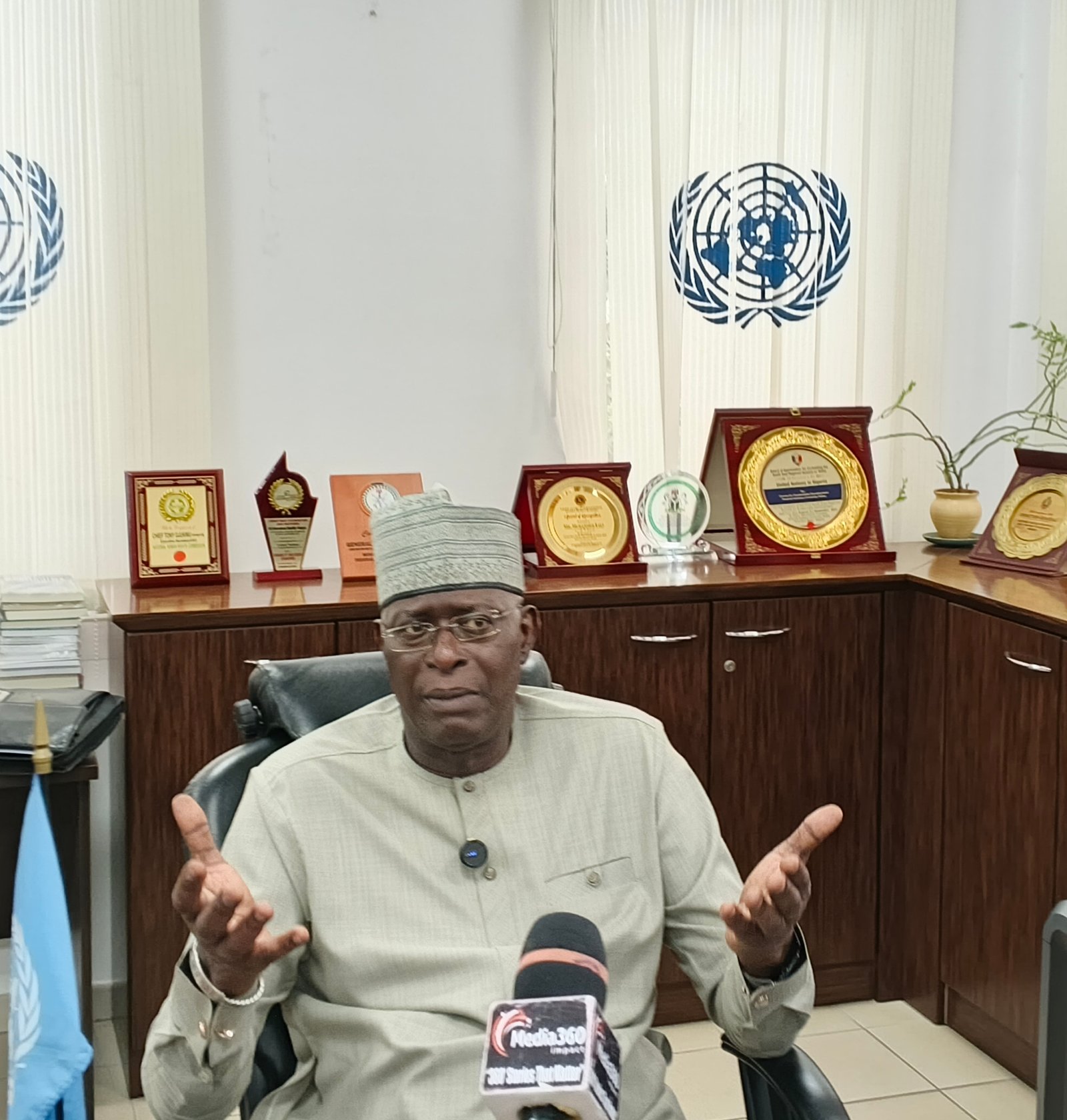
Nigeria has the agricultural potential to become a major food basket for West and Central Africa, but conflict, climate change, poor infrastructure and weak agricultural value chains are preventing the country from fully exploiting that potential, the United Nations Resident and Humanitarian Coordinator in Nigeria, Mohamed M. Malick Fall, has said.
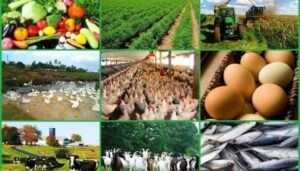
Fall said Nigeria’s fertile agricultural land, particularly across the Middle Belt, could support food production not only for its huge domestic market but also for neighbouring countries if the structural challenges confronting farmers were addressed.
“I was told that the Middle Belt, including areas such as Plateau and Benue, could be a food basket not only for Nigeria but for the entire sub-region,” he said.
0-4064×3048-0-0-{}-0-12#
However, he warned that the country’s agricultural potential was increasingly being undermined by repeated climate shocks and insecurity.
“Almost every year we see a major shock. One year it could be drought or a heatwave, followed by flooding the next year,” Fall said.
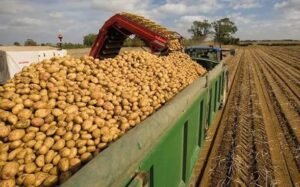
According to him, the impact of such shocks extends beyond individual farmers, affecting the entire food system.
When crops are destroyed or farmland is damaged, he explained, production declines, placing additional pressure on food availability and household livelihoods.
Conflict threatening agricultural production
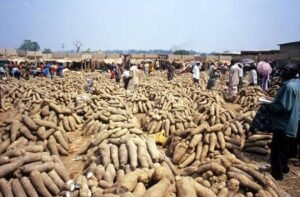
Fall identified conflict as another major threat to Nigeria’s agricultural capacity, particularly through displacement and disruptions to farming communities.
He pointed to farmer-herder conflicts and other forms of insecurity that can dispossess farmers of their land and disrupt livestock production.
Millions of people, he said, have been displaced by conflict and climate-related shocks, making it increasingly difficult for affected communities to sustain agricultural production.
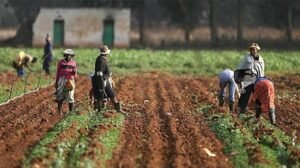
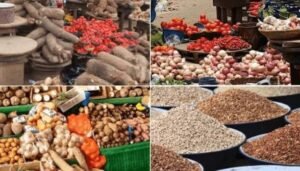
“It is not enough to have fertile land. You need peace, cohesion and the capacity to produce,” Fall said.
The UN coordinator stressed that agricultural development therefore could not be separated from efforts to address insecurity and build resilient communities.
Nigeria losing huge volumes after harvest
Beyond production itself, Fall said Nigeria also needed to tackle significant losses occurring after crops leave the farm.
He cited estimates suggesting that more than 50 per cent of post-harvest production could be lost because of inadequate value chains.
The losses, he said, highlight the need for investment in storage, processing, transportation, irrigation and market infrastructure.
Reducing post-harvest losses would allow farmers to retain more of what they produce, increase their incomes and make more food available without necessarily requiring a proportional expansion of cultivated land.
UN backs smarter, greener agriculture
Fall said the UN was supporting efforts to reduce post-harvest losses and promote a transition towards greener and smarter agricultural production.
He said Nigeria could also use technology to improve the delivery of agricultural support.
Digital platforms, according to him, could be used to identify and create databases of women and young farmers, making it easier to distribute loans, seeds and other agricultural inputs while reducing leakage.
Solar energy could also be deployed to power irrigation and water supply systems, particularly in areas where access to conventional electricity remains limited.
“These are some of the areas in which the UN is working,” he said.
Agriculture could create jobs for young Nigerians
Fall also highlighted the employment opportunities available in transforming Nigeria’s agricultural sector.
He said studies had suggested that greening agriculture could generate millions of jobs for young people.
But he stressed that investment would be critical to turning that potential into reality.
“If a young farmer produces something, there must be a system that ensures the product is sold or connected to a value chain through which the farmer can earn revenue,” he said.
This, he explained, requires an agricultural system that goes beyond production to include processing, distribution, financing and reliable access to markets.
Climate resilience key to food security
Fall’s comments come as Nigeria continues to confront the combined effects of climate-related disasters, insecurity and economic pressures on agricultural communities.
He said repeated droughts, heatwaves and floods were creating new risks for farmers, while conflict was simultaneously reducing access to productive land.
The challenge, therefore, is not simply whether Nigeria has enough farmland, but whether farmers have the security, infrastructure, technology, financing and market access required to turn that land into sustainable production.
Fall said addressing those challenges could enable Nigeria to move from relying heavily on emergency humanitarian interventions to building a more resilient food system capable of supporting its own population and supplying markets across the region.
For a country with one of Africa’s largest populations and vast agricultural resources, he suggested, unlocking that potential could make agriculture a major driver of food security, economic growth and employment across Nigeria and beyond.