
World News
Starship Explosion Sparks Fresh Concerns About Moon Landing Timeline

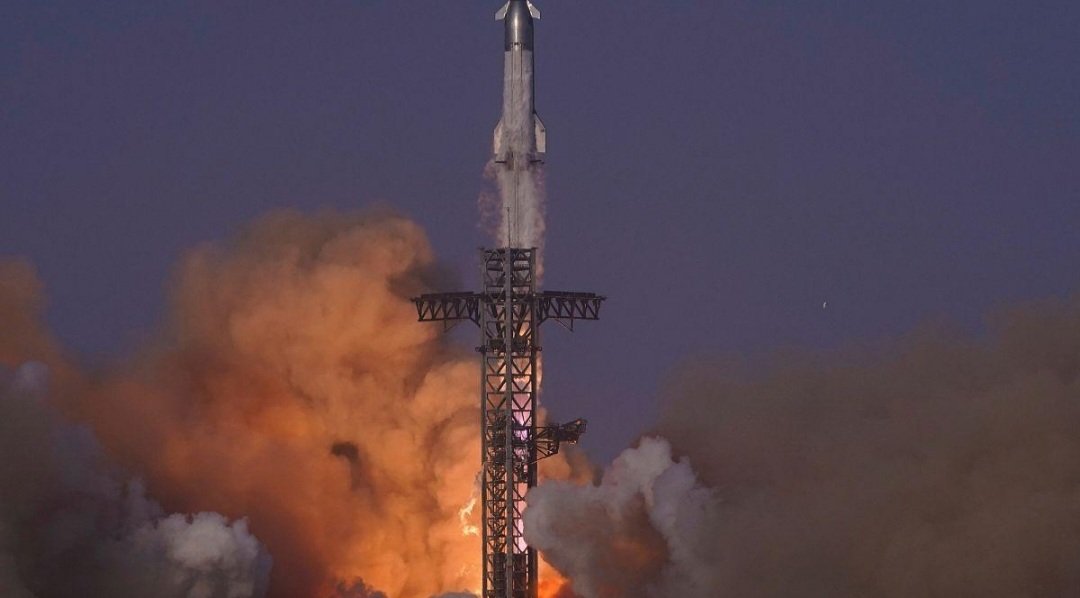
The latest explosion involving SpaceX’s Starship rocket has renewed concerns about the timeline and feasibility of NASA’s plans to return astronauts to the Moon, as the spacecraft remains a critical component of the agency’s Artemis program.


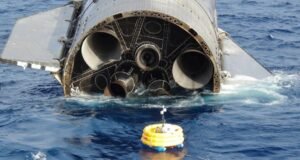
The concerns emerged after Starship successfully completed much of its latest test mission but later exploded following its landing sequence in the Indian Ocean, highlighting the technical challenges that continue to face the world’s most powerful rocket system.
NASA has selected SpaceX’s Starship as the Human Landing System (HLS) for the Artemis missions, which aim to return astronauts to the lunar surface for the first time since the Apollo era.

Under current plans, astronauts would travel to lunar orbit aboard NASA’s Orion spacecraft before transferring to a modified version of Starship for the final descent to the Moon.
Because of that central role, any major setbacks in Starship testing inevitably raise questions about the Artemis timetable.
The recent test flight achieved several milestones, including reaching space and completing a controlled descent toward the Indian Ocean.

However, video footage released after the mission showed the vehicle erupting into flames after landing, adding to a series of previous Starship failures that have occurred during launch, re-entry, or landing phases.
While SpaceX emphasized that test flights are designed to identify weaknesses and improve future designs, aerospace experts note that repeated failures could delay certification for crewed lunar missions.
NASA has already pushed back several Artemis milestones in recent years, citing technical, safety, and development challenges.
Analysts say Starship’s development remains one of the most significant variables affecting the schedule for future lunar landings.
The vehicle must demonstrate reliable launch, orbital refueling capabilities, lunar landing performance, and safe return procedures before astronauts can depend on it for Moon missions.
SpaceX founder Elon Musk has repeatedly argued that rapid testing and occasional failures are part of the company’s engineering philosophy.
The company maintains that each test generates valuable data that helps accelerate development and improve future versions of the spacecraft.

NASA officials have also expressed continued confidence in the partnership while acknowledging that significant technical work remains.
Despite the setback, neither NASA nor SpaceX has announced changes to their long-term Moon exploration objectives.
However, industry observers say continued testing failures could place additional pressure on mission schedules and potentially increase costs associated with America’s ambitious lunar return program.
For now, engineers from both organizations are expected to analyze data from the latest mission as they work toward the next round of Starship tests.