
World News
Nicaragua Breaks Diplomatic Ties with Italy Over Extradition Dispute Linked to Aldo Moro Murder

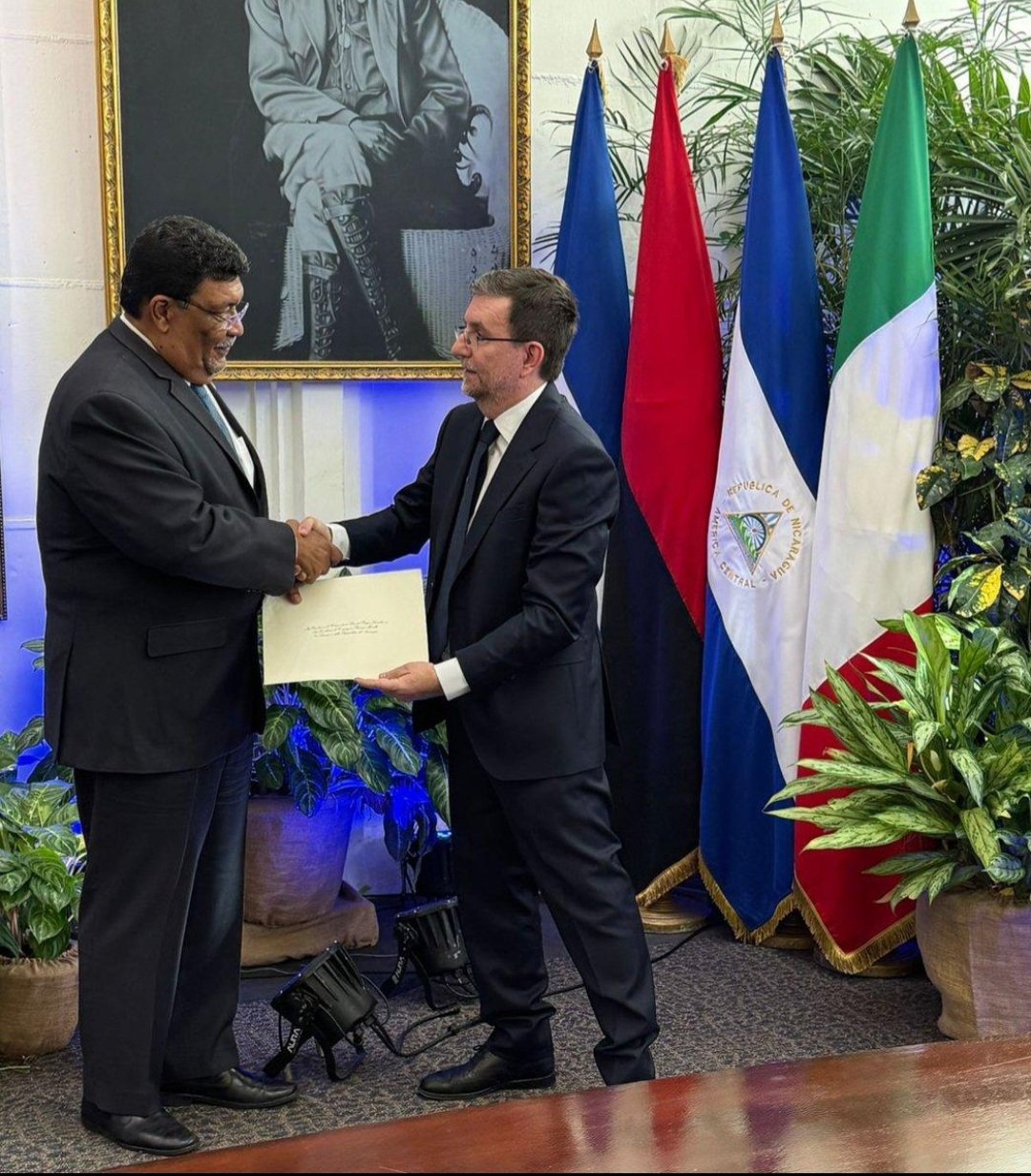
Nicaragua has officially severed diplomatic relations with Italy following a long-running dispute over Rome’s demand for the extradition of Alessio Casimirri, a former member of the far-left Red Brigades convicted in connection with the 1978 kidnapping and murder of former Italian Prime Minister Aldo Moro. The move marks a sharp deterioration in relations between the two countries after years of legal and diplomatic tensions.
The Nicaraguan government announced the decision on Thursday, accusing Italy of making what it described as “unjustified, aggressive and irresponsible” statements after Italian Foreign Minister Antonio Tajani publicly criticized Managua for continuing to shelter Casimirri. Tajani had declared that granting protection to a convicted terrorist was unacceptable and renewed Italy’s demand that Casimirri be returned to face justice.

Nicaraguan President Daniel Ortega.
In response to Nicaragua’s announcement, Italy said it would not retreat from its position. The Italian Foreign Ministry reiterated that Casimirri had been convicted for his role in one of the darkest episodes in modern Italian history and insisted that justice for the victims of terrorism remains a national priority.
The dispute centers on the assassination of former Prime Minister Aldo Moro, who was abducted in March 1978 by the Red Brigades, an armed left-wing militant group that terrorized Italy during the so-called “Years of Lead.” Moro was held captive for 55 days before his body was discovered in the trunk of a car in Rome after negotiations for his release failed. The killing remains one of the most traumatic political assassinations in Italy’s post-war history.
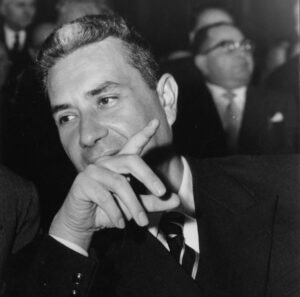
Historic photograph of former Italian Prime Minister Aldo Moro.
Casimirri fled Italy in 1983 and settled in Nicaragua during the Sandinista government. He obtained Nicaraguan citizenship in 1989, married a Nicaraguan citizen and later established an Italian restaurant in the capital, Managua. Although he has admitted belonging to the Red Brigades, he has consistently denied taking part directly in Moro’s murder.
Italy has pursued Casimirri’s extradition for decades, but legal obstacles have repeatedly blocked those efforts.
Under Nicaragua’s Constitution, the extradition of its own citizens is prohibited. In addition, Italy and Nicaragua do not have a bilateral extradition treaty. Although the Nicaraguan government attempted to revoke Casimirri’s citizenship in the early 1990s, the country’s Supreme Court later ruled that only the judiciary; not the executive, could remove citizenship, effectively preserving his legal status.
Nicaragua said Italy’s latest comments crossed a diplomatic line and justified ending formal relations. The move is expected to suspend diplomatic cooperation between the two countries and could affect future political engagement.
Italian officials, however, maintained that the decision would not alter Rome’s determination to seek Casimirri’s extradition.
Foreign Minister Tajani said Italy would continue pressing for the former militant to answer for crimes committed during the country’s violent terrorist era, emphasizing respect for the victims and the rule of law.
The diplomatic rupture highlights how unresolved cases from Europe’s turbulent past continue to shape international relations decades later, with the Moro assassination remaining a powerful symbol of Italy’s fight against terrorism.