
World News
Iran’s Hardliners Warn of ‘Coup’ as Fragile US Truce Comes Under Renewed Pressure

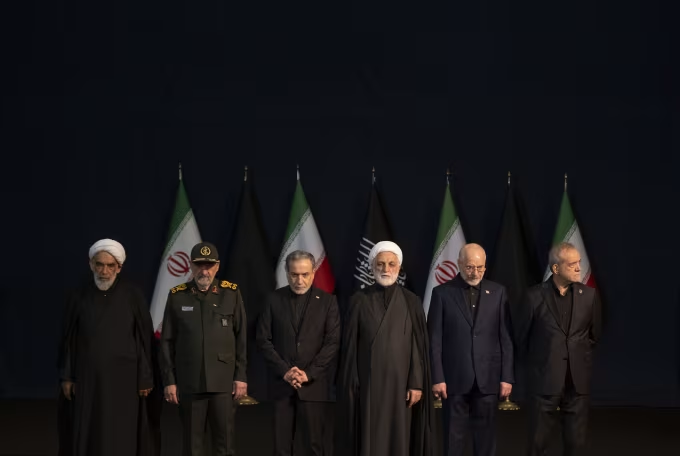
A fragile understanding between the United States and Iran is facing renewed strain as influential hardline factions within Iran intensify accusations that senior government officials have orchestrated what they describe as a “coup” against the country’s revolutionary principles by pursuing engagement with Washington.
The latest political confrontation comes as fighting between the United States and Iran has resumed following the collapse of a temporary truce reached in June. The renewed military exchanges have heightened tensions across the Middle East while exposing deep divisions inside Iran over how the country should respond to Washington.
Ultra-conservative politicians and activists have directed their criticism at President Masoud Pezeshkian and Parliament Speaker Mohammad Bagher Ghalibaf, accusing them of pushing through the earlier memorandum of understanding with the United States in defiance of the strategic direction of Iran’s late Supreme Leader. Hardliners argue that any compromise with Washington weakens Iran’s position and undermines years of resistance against American pressure.
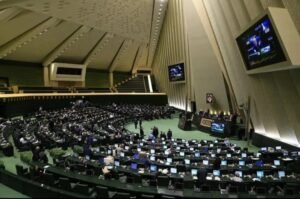
The “coup” narrative has spread rapidly across social media platforms used by conservative supporters, with some influential figures alleging that pragmatic politicians are attempting to reshape the Islamic Republic’s foreign policy without sufficient backing from the country’s ideological establishment. Analysts say the rhetoric reflects a broader power struggle between factions favouring diplomacy and those insisting on continued confrontation with the United States.
The political dispute has unfolded against the backdrop of a worsening military crisis. The United States has carried out successive airstrikes targeting Iranian military facilities and infrastructure after accusing Tehran of threatening international shipping through the Strait of Hormuz. Iran has responded with missile and drone attacks against U.S.-linked military facilities in several Gulf countries while warning that further American strikes will trigger additional retaliation.
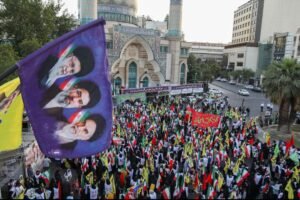
Hardline groups insist that Iran should maintain control over the Strait of Hormuz and reject negotiations that could be interpreted as concessions to Washington. They argue that Iran’s strategic leverage in the Gulf should not be traded for temporary diplomatic agreements or sanctions relief.
Meanwhile, more pragmatic voices within Iran’s political establishment have argued that prolonged conflict risks inflicting severe economic damage. Reports indicate that government officials previously supported negotiations partly because of concerns over the impact of military confrontation, sanctions and maritime blockades on Iran’s economy, energy exports and access to essential goods.
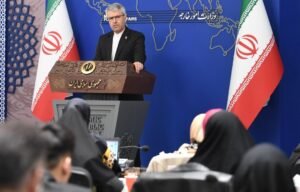
The renewed infighting has complicated efforts by regional mediators seeking to revive diplomacy between Tehran and Washington. Pakistan and several Gulf states have urged both sides to return to negotiations, warning that continued escalation threatens regional security and global energy markets.
Political observers say the hardliners’ increasingly aggressive language highlights growing instability within Iran’s ruling establishment at a time when the country faces simultaneous military, economic and diplomatic pressures. While there is no indication of an actual coup attempt, the accusations underscore widening ideological divisions over Iran’s future direction and its relationship with the United States.
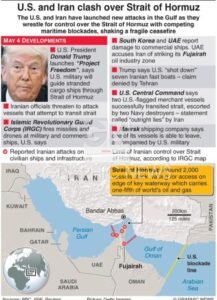
With U.S. military operations continuing and Iranian leaders confronting mounting internal criticism, prospects for restoring a durable ceasefire remain uncertain. Analysts warn that unless both sides resume meaningful dialogue, the conflict could deepen further, increasing the risk of broader regional instability with far-reaching consequences for international security and global energy supplies.