
World News
US Launches Seventh Straight Night of Airstrikes on Iran as Conflict Deepens

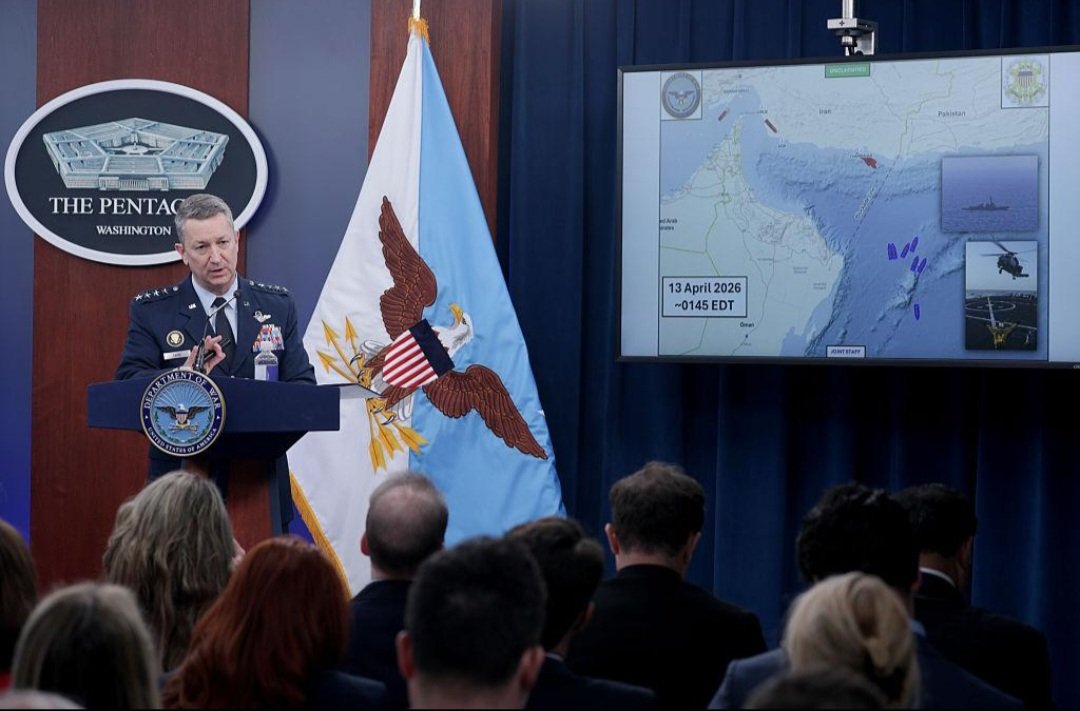
The United States has carried out a seventh consecutive night of military strikes against Iran, further escalating a conflict that has intensified across the Middle East and heightened concerns over regional security and global energy supplies.


The latest wave of attacks was confirmed late Friday by the U.S. Central Command (CENTCOM), which said American forces launched another coordinated operation under the direction of President Donald Trump. According to the military, the strikes were intended to further degrade Iran’s military capabilities and reduce its ability to threaten commercial shipping and U.S. interests around the strategic Strait of Hormuz.
CENTCOM said the operation involved fighter aircraft, naval assets and long-range precision weapons targeting military facilities associated with Iran’s missile, drone and maritime operations. While the U.S. military did not immediately disclose the exact locations or the extent of the damage, officials maintained that the campaign is focused on military objectives linked to Iran’s recent attacks on commercial vessels and regional security.
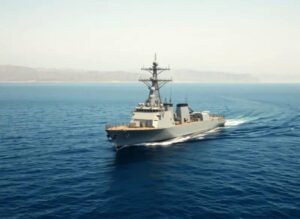
The seventh night of strikes follows nearly a week of sustained U.S. bombardment that has reportedly targeted surveillance systems, military logistics sites, ports, bridges and coastal defence infrastructure in southern Iran. Earlier operations included attacks around Bandar Abbas and Chabahar, areas viewed by Washington as critical to Iran’s naval operations in the Gulf.
Iranian state media reported fresh explosions in several parts of the country following Friday’s attacks, though officials have yet to release a comprehensive assessment of casualties or damage. Tehran has repeatedly condemned the U.S. campaign, accusing Washington of violating international law and warning that continued military action could broaden the conflict across the region.
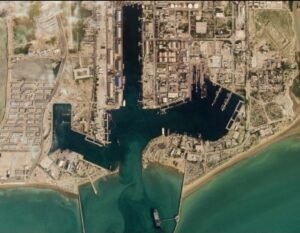
The conflict has increasingly spread beyond Iran’s borders. In recent days, Iran has launched missiles and drones toward several U.S.-aligned countries in the Gulf, including Bahrain, Kuwait, Jordan and Qatar, while also threatening wider retaliation against nations hosting American military forces. The exchange of attacks has raised fears that the confrontation could evolve into a broader regional war.
The continuing military campaign has also disrupted shipping through the Strait of Hormuz, one of the world’s most important energy corridors through which roughly one-fifth of global oil supplies normally pass. Reduced maritime traffic and security concerns have pushed oil prices higher, with investors increasingly worried about prolonged instability in the Gulf. Financial markets also reacted negatively following news of the latest U.S. strikes.
President Trump has defended the sustained military operations, insisting they are necessary to protect international navigation and prevent further attacks on commercial shipping. The administration has maintained that the objective is to weaken Iran’s military capabilities rather than pursue regime change, although officials have warned additional strikes remain possible if Tehran continues its actions in the region.
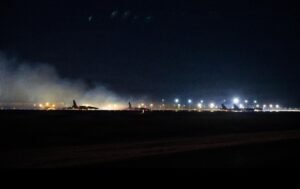
Military analysts say the seventh consecutive night of operations marks one of the longest sustained U.S. air campaigns against Iran in recent history and underscores the growing risk of miscalculation between the two adversaries. Diplomatic efforts to de-escalate the crisis remain limited, while governments worldwide continue to monitor developments that could have far-reaching consequences for regional stability, global trade and international energy markets.