
Health
Ebola Reaches Displacement Camp in Eastern Congo, Raising Fears of Rapid Spread

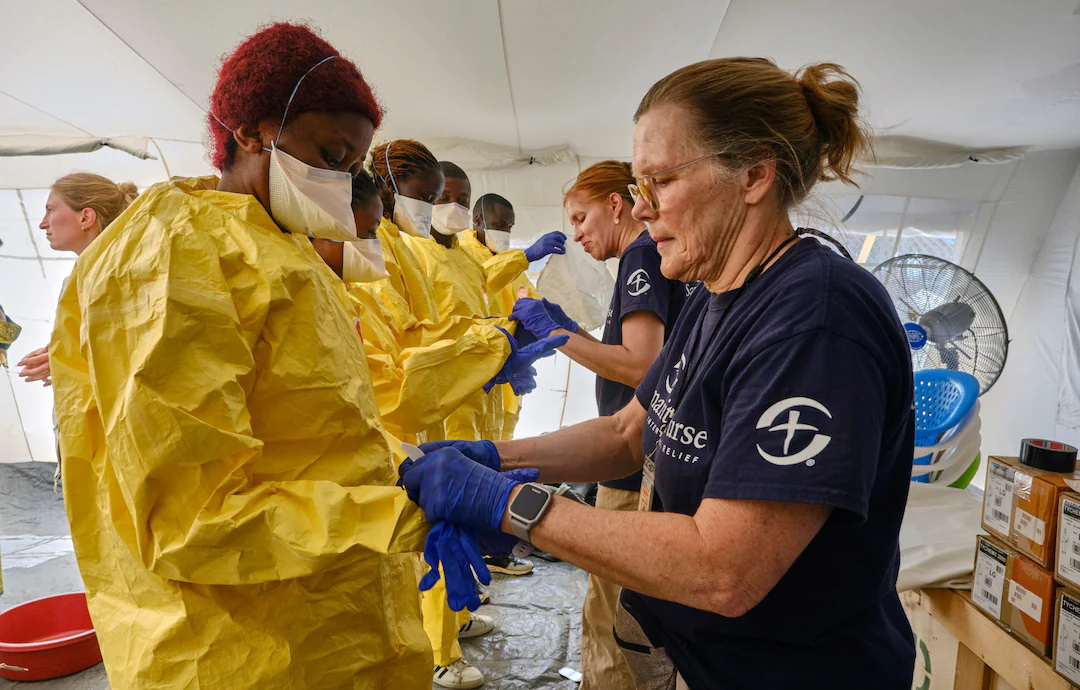
An Ebola outbreak in the eastern Democratic Republic of Congo has spread to a densely populated displacement camp, raising concerns among health officials and humanitarian organizations about the potential for rapid transmission among vulnerable populations.


The outbreak, which was initially reported in parts of eastern Congo, has now reached a camp housing thousands of people displaced by ongoing violence and insecurity in the region. Health experts warn that overcrowded living conditions, limited access to clean water, and inadequate healthcare facilities could accelerate the spread of the deadly virus.
According to health authorities, emergency response teams have been deployed to the affected area to identify cases, trace contacts, and establish isolation measures aimed at preventing further transmission. Vaccination campaigns and public awareness efforts are also being intensified as officials seek to contain the outbreak before it spreads beyond the camp.
Humanitarian agencies operating in the region have expressed concern over the challenges of managing an Ebola outbreak in a displacement setting. Many residents have already been uprooted by armed conflict and rely heavily on aid for food, shelter, and medical assistance.
“The risk of transmission is significantly higher in overcrowded camps where families live in close quarters and access to health services is limited,” one aid worker familiar with the response efforts said.
Eastern Congo has faced multiple Ebola outbreaks over the past decade, with health authorities often battling the disease alongside insecurity caused by armed groups. Experts say the combination of conflict, displacement, and disease outbreaks continues to place immense pressure on the country’s healthcare system.
The World Health Organization and partner organizations are supporting local authorities in surveillance, treatment, vaccination, and community engagement efforts. Officials are urging residents to report symptoms early and cooperate with health teams conducting contact tracing.
Ebola is a severe viral disease that spreads through direct contact with the bodily fluids of infected individuals or contaminated materials. Symptoms include fever, fatigue, muscle pain, vomiting, diarrhea, and, in severe cases, internal and external bleeding.
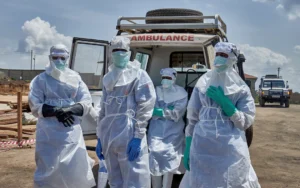
Health officials have called for increased international support to strengthen containment measures and protect displaced communities from further infections as efforts continue to bring the outbreak under control.