
World News
IEA Forecasts Major Global Oil Surplus by 2027 After Hormuz Recovery

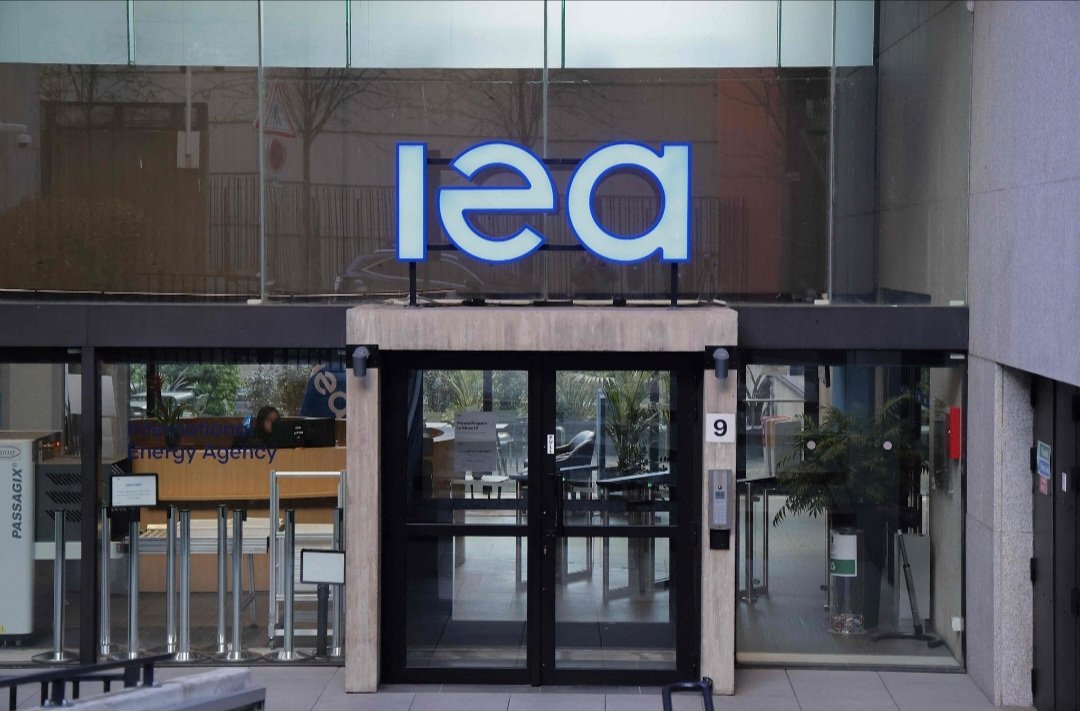
The International Energy Agency (IEA) has projected a significant surplus in global oil markets by 2027, citing expectations of recovering oil flows through the strategically vital Strait of Hormuz and continued growth in production capacity from major oil-producing nations.


In its latest market outlook, the IEA said that while geopolitical tensions in the Middle East have raised concerns about supply disruptions, the longer-term outlook points to a well-supplied market. The agency expects production growth from both OPEC and non-OPEC countries to outpace demand growth over the coming years.
The forecast assumes that oil shipments through the Strait of Hormuz; a critical maritime corridor through which a substantial share of the world’s oil exports passes will normalize following recent disruptions and security concerns. Any sustained recovery in the route’s operations would help stabilize global energy supplies and ease fears of prolonged shortages.
According to the agency, global oil demand is expected to continue growing in the near term but at a slower pace than supply. Increased production capacity in countries such as the United States, Brazil, Canada, and several Middle Eastern producers is anticipated to contribute significantly to future supply growth.
Energy analysts note that a sizable oil surplus could place downward pressure on crude prices, particularly if economic growth slows or the global transition toward cleaner energy sources accelerates. However, they caution that geopolitical developments, conflicts, sanctions, and unexpected supply disruptions could still alter market conditions.
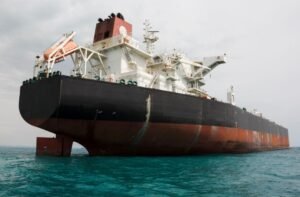
The IEA’s projection comes at a time when energy markets remain focused on developments in the Middle East and the security of shipping lanes in the Gulf region. The Strait of Hormuz remains one of the world’s most important energy chokepoints, carrying millions of barrels of crude oil and petroleum products each day.
Industry observers say the report highlights the contrast between short-term market volatility and longer-term expectations of abundant supply. While traders continue to monitor geopolitical risks closely, the agency’s outlook suggests that structural increases in production capacity could eventually outweigh demand growth.

The report is likely to influence discussions among oil producers, policymakers, and investors as they assess future market conditions and energy security strategies.