
World News
Hundreds of Migrants Swim From Morocco to Spain’s Ceuta, Stretching Border Resources

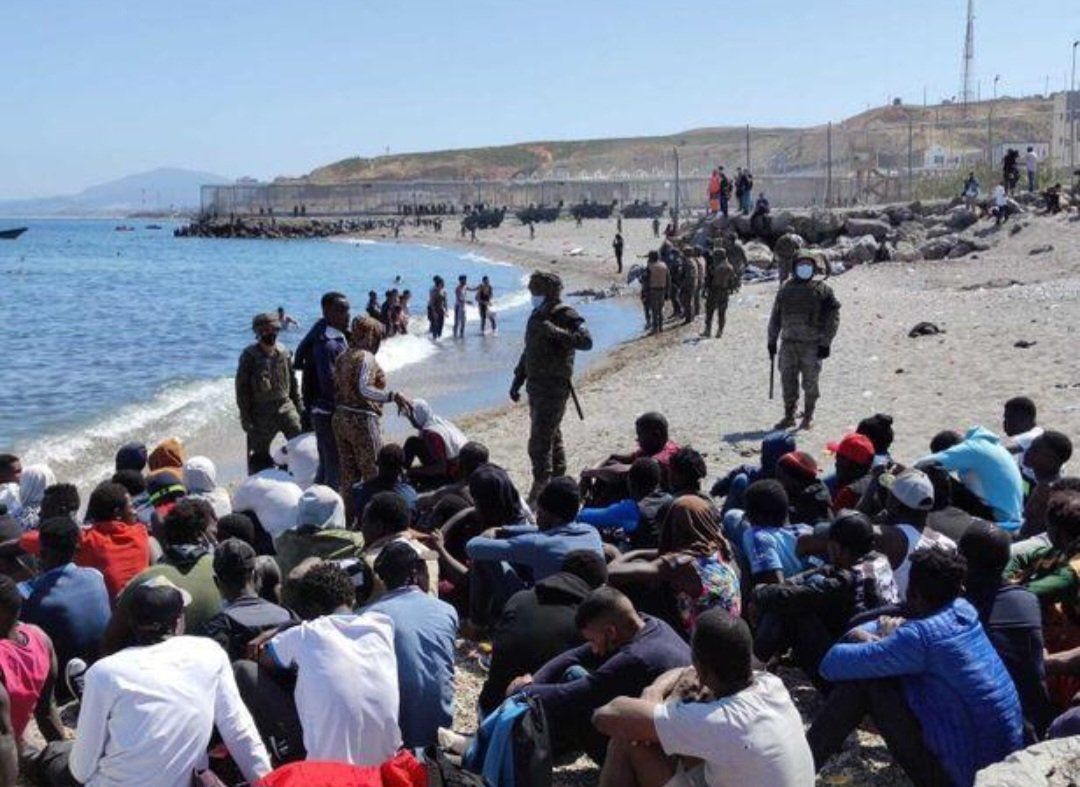
Hundreds of migrants have attempted the dangerous sea crossing from Morocco to the Spanish North African enclave of Ceuta, creating one of the largest migration surges the territory has experienced in recent years and placing enormous pressure on local authorities and reception facilities. The latest wave has prompted rescue operations, humanitarian assistance and renewed debate over migration policies on Europe’s southern border.


According to Spanish authorities, more than 1,500 migrants have arrived in Ceuta by sea over the past several days, with many entering the water from beaches near the Moroccan city of Fnideq. The arrivals include a significant number of unaccompanied minors, many of whom are now under the care of Spanish child protection services. Officials say the influx has overwhelmed the enclave’s migrant reception facilities, forcing some new arrivals to sleep outdoors as emergency accommodation reaches capacity.

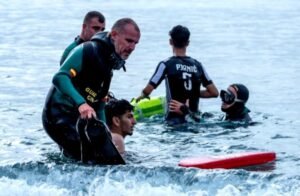
Spain’s Civil Guard, maritime rescue services and the Spanish Red Cross have mounted large-scale rescue operations, deploying patrol boats to intercept exhausted swimmers before they are swept away by strong currents. Emergency teams have provided medical care, food, clothing and temporary shelter to those reaching shore.
Ceuta’s regional president, Juan Jesús Vivas, described the situation as extraordinary and appealed to Spain’s central government for urgent assistance. He warned that the enclave’s reception system had been pushed beyond its limits and called for the redistribution of migrants; particularly minors, to other parts of Spain to ease pressure on local services.
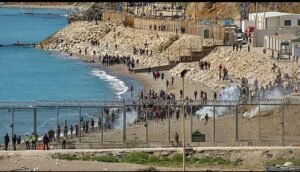
While favourable summer weather often leads to an increase in migration attempts across the Strait of Gibraltar, officials say the scale of the latest crossings is unusually high. Most of the migrants are believed to be Moroccan nationals, although some Algerians who had been staying in Morocco are also among those arriving. The precise reason for the sudden surge remains unclear. Analysts have pointed to a combination of economic hardship, migration networks and legal developments in Spain, including a recent court ruling affecting maritime pushbacks, though there is no consensus that any single factor triggered the increase.
Spanish Interior Minister officials praised Morocco for its continued cooperation in managing irregular migration, noting that Moroccan security forces intercepted many attempted crossings before migrants reached Spanish waters. Even so, authorities acknowledged that the recent influx has posed an exceptional operational challenge.
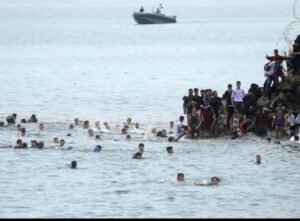
The latest crossings also highlight the humanitarian risks of the Ceuta route. Many migrants enter the sea without life jackets and attempt to swim around breakwaters or coastal barriers, exposing themselves to strong currents, exhaustion and drowning. Previous attempts have resulted in fatalities and disappearances, making the route one of the most dangerous pathways into the European Union.
Ceuta and the nearby Spanish enclave of Melilla are the European Union’s only land territories on the African continent and have long served as flashpoints in debates over migration, border security and asylum policy. As arrivals continue, Madrid is expected to work closely with Moroccan authorities while assessing additional measures to manage the growing humanitarian and security challenge.