
World News
China to Supply Iran With Advanced Portable Air Defence Missiles Amid Regional Tensions

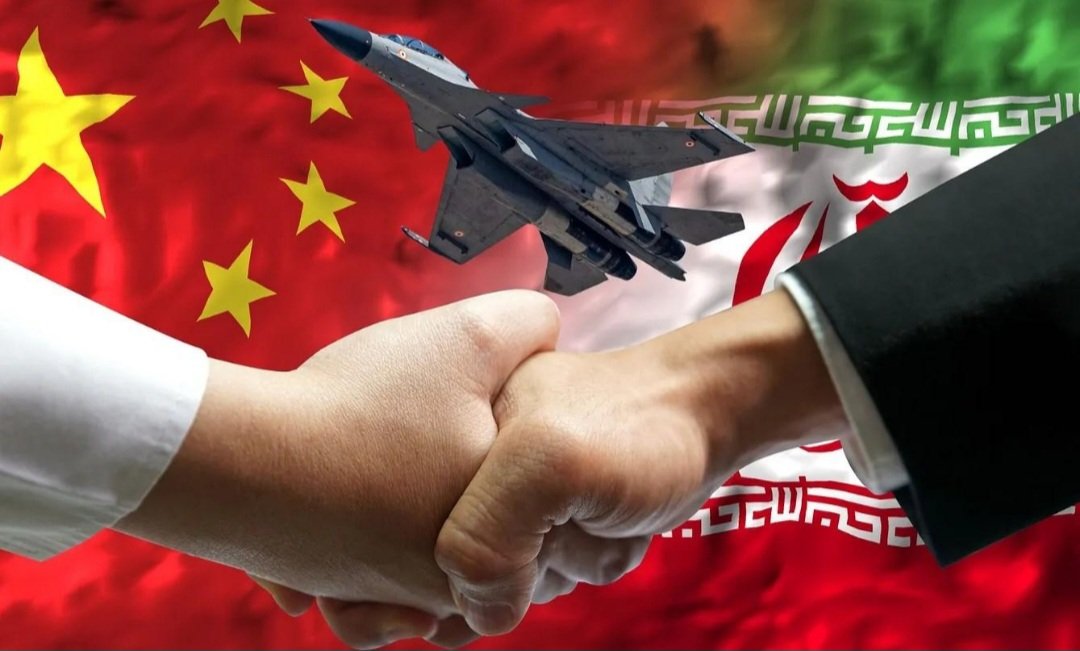
Iran is expected to receive its first shipment of Chinese-made shoulder-launched air defence missile systems within the coming weeks, according to multiple sources familiar with the arrangement. The planned delivery is seen as one of Tehran’s most significant efforts to rebuild its short-range air-defence capabilities following months of conflict with the United States and Israel.


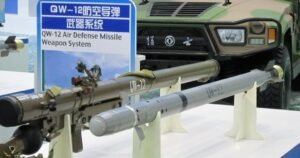
Sources told Reuters that the agreement could involve up to 400 man-portable air-defence systems (MANPADS) valued at an estimated US$60–70 million. The systems reportedly include the QW-12 and FN-16, Chinese-designed missiles capable of engaging low-flying aircraft, helicopters and drones. Iran is also said to have expressed interest in more advanced variants, including the QW-18 and QW-19.
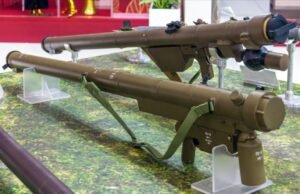
According to the sources, the missile launchers are expected to be supplied through Hong Kong-based Zhongqing Baoshang International Investment and transported overland from Urumqi in western China through Pakistan before reaching Iran. The reported route is intended to reduce the risk of disruption compared with maritime deliveries, which have become increasingly vulnerable amid heightened tensions in the Gulf region.
Neither Beijing nor Tehran has officially confirmed the reported deal. China’s Foreign Ministry reiterated that it maintains strict controls over military exports and said it was unaware of the reported shipment. Pakistani officials have also denied any involvement in facilitating weapons transfers to Iran.
Military analysts say portable air-defence systems would significantly strengthen Iran’s ability to defend against low-altitude threats, particularly drones and attack helicopters. Unlike larger fixed air-defence batteries, MANPADS are highly mobile, can be rapidly deployed, and are difficult to detect, making them an important layer in modern integrated air-defence networks.
The reported transfer comes as Iran continues rebuilding its military capabilities after recent exchanges with the United States and Israel damaged parts of its air-defence infrastructure. Tehran has increasingly sought to modernise its military through a combination of domestic production and selective foreign procurement despite longstanding international sanctions.
Security experts say the reported missile shipment could further deepen military cooperation between China and Iran, a relationship that has attracted growing attention from Western governments. While China has consistently denied providing direct military assistance related to recent regional conflicts, analysts note that defence and strategic cooperation between the two countries has expanded in recent years.
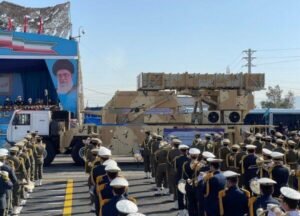
If confirmed, the delivery is likely to draw close scrutiny from the United States and its allies, who have sought to limit the transfer of advanced military technology to Iran. Observers warn that strengthening Iran’s short-range air-defence capabilities could complicate any future military operations in the region and add another layer of tension to an already fragile Middle East security environment.