
World News
Oman Proposes Gulf-Backed Plan Allowing Iran to Collect Voluntary Hormuz Transit Fees

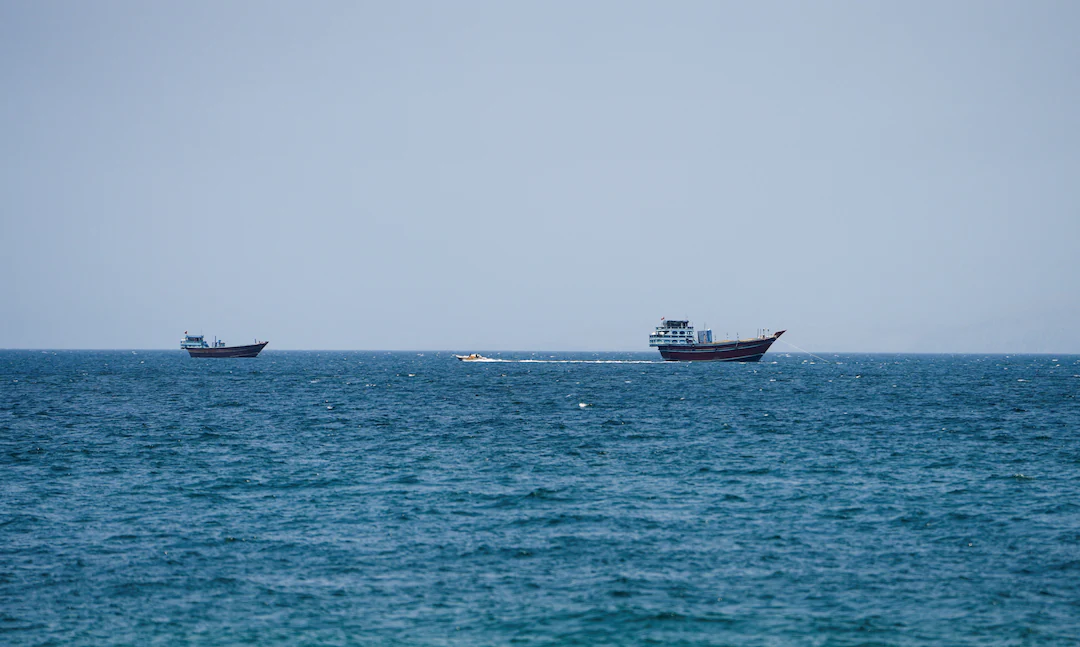
Oman has presented Iran with a Gulf-backed proposal aimed at restoring stability in the strategically vital Strait of Hormuz, offering a framework under which Tehran could collect voluntary fees from ships using the waterway rather than imposing mandatory tolls or exercising exclusive control. The initiative comes amid heightened regional tensions following the recent U.S.-Israeli conflict with Iran and weeks of disruption to one of the world’s busiest energy shipping routes.


According to Gulf and Western diplomatic sources, the proposal has the backing of several Gulf Cooperation Council (GCC) states and is intended to serve as the basis for a broader agreement that would restore confidence in maritime trade while addressing Iran’s security concerns. Under the plan, the Strait would be jointly managed by Iran and Oman rather than falling under Tehran’s sole authority.
The proposed payment system is modelled on arrangements used in the Strait of Malacca, where ships and maritime users make voluntary contributions that help fund navigation services, environmental protection, search-and-rescue operations and other safety measures. Supporters believe a similar mechanism could reduce tensions while allowing commercial shipping to resume without mandatory tolls.
The diplomatic effort follows weeks of disruption in the Strait of Hormuz, through which roughly one-fifth of the world’s oil and liquefied natural gas supplies normally pass. The conflict between Iran, the United States and Israel led to attacks on shipping, heightened military deployments and growing fears of a prolonged closure of the waterway, sending shockwaves through global energy markets.
However, Tehran has yet to formally respond to Oman’s proposal. Iranian officials have indicated that they want greater control over navigation through the Strait and have expressed concerns that the current internationally recognised shipping lanes, which run largely through Omani waters, do not adequately address Iran’s security interests.
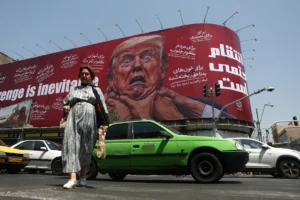
The United States has also voiced strong opposition to any form of transit fee. Washington maintains that the Strait of Hormuz is an international waterway governed by international maritime law and argues that commercial vessels should continue to enjoy free passage without paying charges. U.S. officials have called for a return to unrestricted navigation as part of broader efforts to reduce tensions in the Gulf.
The proposal comes as diplomatic contacts between regional powers continue. Iranian Foreign Minister Abbas Araqchi recently discussed Hormuz security with his Omani and Saudi counterparts, while U.S. President Donald Trump has said Washington is engaged in “good talks” with Iran, although Tehran has publicly denied that formal negotiations with the United States have resumed. Trump has also warned that U.S. military action could resume if diplomacy fails.
Analysts say Oman’s initiative reflects its long-standing role as a regional mediator capable of maintaining dialogue with both Iran and Western governments. Whether the proposal succeeds will largely depend on Tehran’s willingness to compromise on maritime control and whether Washington and its allies can accept a framework that balances international navigation rights with Iran’s security demands. For now, the future of one of the world’s most important maritime chokepoints remains uncertain as diplomacy continues behind closed doors.