
International
Australian Government Considers Stricter Measures to Keep Under-16s Off Social Media

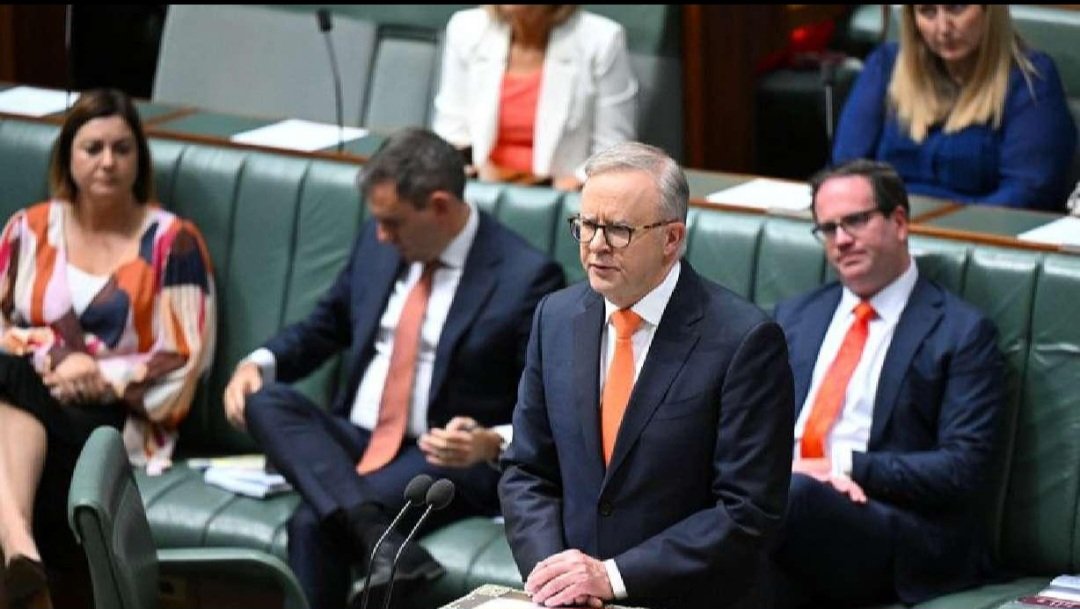
The Australian government is considering tougher enforcement measures for its world-first social media ban targeting children under the age of 16, as officials seek to ensure technology companies comply with new rules designed to protect young users online.
The proposed legislation, which is expected to take effect later this year, would require major social media platforms to prevent users under 16 from creating or maintaining accounts. Authorities are now evaluating additional enforcement mechanisms, including stricter age-verification systems, larger penalties for non-compliance, and enhanced regulatory oversight of digital platforms. Recent government discussions have focused on ensuring that technology companies cannot evade their responsibilities through weak verification procedures or self-regulation.

The move comes after months of debate in Australia over the impact of social media on children’s mental health, exposure to harmful content, cyberbullying, online exploitation, and addictive platform algorithms. Government officials argue that stronger safeguards are necessary as evidence grows linking excessive social media use to anxiety, depression, sleep disruption, and other challenges affecting young people.
Prime Minister Anthony Albanese has repeatedly defended the policy, describing it as a necessary intervention to help families navigate the increasingly complex digital environment. According to government officials, responsibility for enforcing age restrictions would fall primarily on social media companies rather than parents or children.
Under the framework being considered, platforms could be required to deploy more sophisticated age-assurance technologies. These may include document verification, artificial intelligence-based age estimation, or other privacy-focused methods capable of determining whether users meet minimum age requirements. Officials have emphasized that any system adopted must balance child protection with privacy concerns.

The policy would affect several major social media platforms, including Meta services such as Facebook and Instagram, Tiktok, Snapchat, and X. Technology companies have raised concerns about the practicality of enforcing blanket age restrictions and have called for greater clarity regarding compliance requirements and privacy protections.
Industry groups warn that overly aggressive verification requirements could lead to increased collection of personal information and create cybersecurity risks. Digital rights advocates have also urged policymakers to ensure that enforcement measures do not compromise user privacy or limit legitimate online access for older teenagers.
Supporters of the ban, however, argue that voluntary safety measures introduced by social media companies have failed to adequately protect children. Parent organizations, child welfare advocates, and some mental health experts contend that stronger government intervention is needed to address the growing influence of social media on young people’s daily lives.

Australia’s proposed restrictions are being closely watched internationally, with policymakers in Europe, North America, and Asia monitoring the initiative as a potential model for future regulation. If fully implemented, the measures would represent one of the most significant government interventions into youth access to social media anywhere in the world.
While details of the enhanced enforcement framework are still being finalized, officials have indicated that technology companies will be given limited time to demonstrate compliance once the rules come into force. Regulators are expected to release additional guidance in the coming months outlining the standards platforms must meet to avoid penalties.
The debate highlights the broader global struggle between protecting children online and preserving privacy, free expression, and digital access. As Australia moves closer to implementing its groundbreaking policy, the outcome could influence how governments worldwide regulate social media platforms in the years ahead.