
International
US FDA Scrutinizes Popular Peptide Therapies Amid Safety Concerns

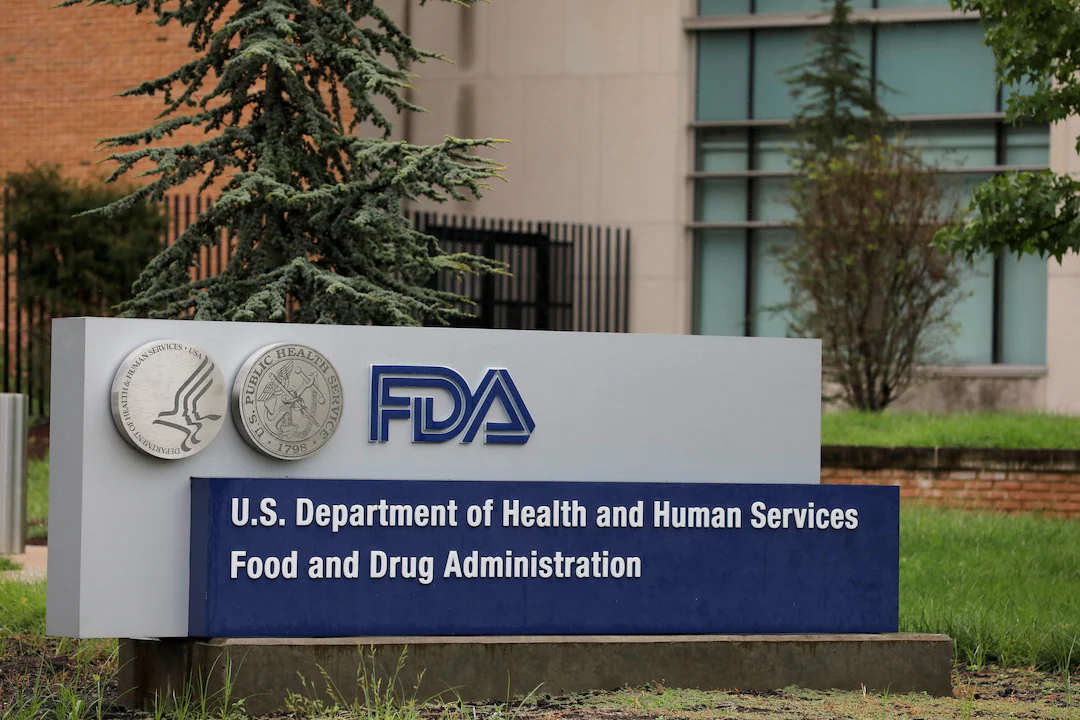
The U.S. Food and Drug Administration (FDA) has launched a closely watched review of several unapproved peptide injections that have surged in popularity among wellness influencers, fitness enthusiasts and supporters of U.S. Health and Human Services Secretary Robert F. Kennedy Jr. The two-day advisory committee meeting could shape the future availability of the products and determine whether licensed compounding pharmacies should be allowed to continue preparing them.
The review focuses on seven peptides, including BPC-157, TB-500, Semax and other compounds marketed for muscle recovery, injury healing, anti-aging, weight management and improved cognitive performance. Although promoters claim the injections offer a wide range of health benefits, the FDA says there is insufficient scientific evidence from rigorous human clinical trials to confirm that they are safe or effective for those uses.
Peptides are short chains of amino acids that naturally occur in the body and play important biological roles. While some peptide-based medicines have been approved for specific medical conditions, many of the products now being promoted online have never received FDA approval. Despite that, demand has grown rapidly through social media, podcasts and celebrity endorsements.
Robert F. Kennedy Jr. has publicly expressed support for expanding access to certain peptides, arguing that Americans should have greater freedom to pursue alternative health treatments. His position has resonated with wellness influencers, biohacking communities and some physicians who believe regulated access through licensed pharmacies would be safer than forcing consumers to purchase products from unregulated online suppliers.

FDA scientists, however, have urged caution. Agency staff concluded that current evidence does not adequately demonstrate the safety, effectiveness or consistent manufacturing quality of the peptides under review. Officials also warned about potential risks including contamination, allergic reactions, incorrect dosing and the absence of long-term safety data. Some of the compounds are also prohibited by international anti-doping authorities because of their potential performance-enhancing effects.
The advisory committee’s recommendations will not automatically change federal regulations, but they are expected to carry significant weight as the FDA decides whether to ease restrictions on compounding these substances. More than 1,900 public comments have reportedly been submitted, with many supporting wider access while others urged regulators to maintain strict oversight until stronger clinical evidence becomes available.
The outcome could have major commercial implications. Analysts say a decision to relax FDA restrictions could create a multibillion-dollar market for peptide therapies and benefit telehealth providers and compounding pharmacy companies such as Hims & Hers, which has invested heavily in peptide manufacturing capacity. Industry observers estimate the peptide market could expand dramatically if physicians are permitted to prescribe compounded versions more broadly.
Health experts say the FDA’s decision will have consequences far beyond the wellness industry. It is expected to influence how emerging therapies are regulated, how consumers access experimental treatments and how federal health agencies balance public demand for alternative medicine with scientific standards requiring strong evidence of safety and effectiveness. Until the agency reaches a final decision, officials continue to advise consumers to exercise caution when considering unapproved peptide injections that have not undergone the FDA’s full review process.