
International
Scotch Whisky Exempted From New U.S. Tariffs in Major Boost for Industry

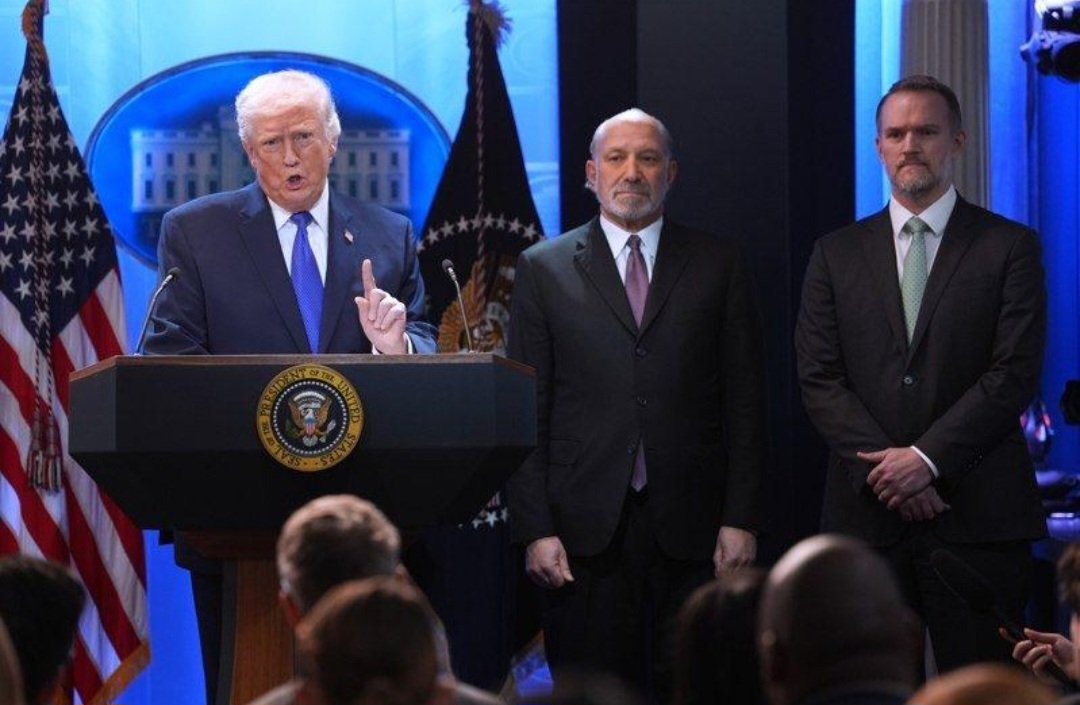
Scotland’s whisky industry has welcomed a major reprieve after the United States exempted Scotch whisky from a new wave of import tariffs, even as President Donald Trump’s administration imposed fresh duties on goods from dozens of trading partners in one of the largest trade policy moves since his return to office.
The decision means Scotch whisky will continue to enter the U.S. market without the additional import levy that many producers had feared. The exemption comes as Washington introduced tariffs of 10% to 12.5% on a broad range of imported products from around 60 economies, citing concerns over forced labour practices in global supply chains.
The United States is the largest export market for Scotch whisky by value, making the exemption particularly significant for Scotland’s distillers. Industry leaders warned that any additional tariffs could have increased retail prices for American consumers, reduced exports and threatened jobs across Scotland’s whisky-producing regions.
The latest decision follows years of uncertainty for the industry. During Trump’s first presidency, Scotch whisky exports were hit by 25% tariffs linked to a long-running dispute over subsidies provided to aircraft manufacturers Airbus and Boeing. Those duties were suspended in 2021 after the United States and the European Union agreed to pause the trade dispute.
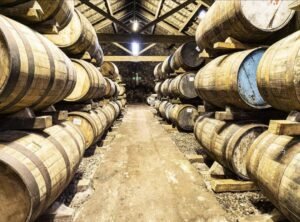
Industry representatives described the latest exemption as welcome news but cautioned that broader global trade tensions continue to create uncertainty for exporters. They said maintaining tariff-free access to the U.S. market remains essential for the long-term growth of Scotland’s whisky sector.
While Scotch whisky escaped the new measures, the broader tariff package affects imports from countries including China, Japan, South Korea, Taiwan, Switzerland and parts of the European Union. The Trump administration says the duties are intended to encourage stronger action against forced labour in international supply chains while protecting American manufacturers from unfair competition.
The Office of the U.S. Trade Representative said the tariffs were introduced following investigations under Section 301 of the U.S. Trade Act, arguing that several trading partners had failed to implement effective restrictions on goods produced using forced labour. Certain essential products; including energy supplies, pharmaceuticals, aircraft components and some food items, have been exempted to minimise disruption to critical supply chains.
The new tariffs have drawn criticism from several affected governments, which argue that the measures could violate international trade rules and increase costs for businesses and consumers. Trade analysts also warn that some countries could respond with retaliatory tariffs if negotiations fail to resolve the dispute.

For Scotland’s whisky industry, however, the immediate focus is on preserving momentum in its most valuable overseas market. Producers say continued tariff-free access will help sustain exports, support investment and protect thousands of jobs linked to one of the United Kingdom’s most iconic export industries.
Although the exemption has been widely welcomed, economists note that the wider escalation in global trade tensions could still indirectly affect the whisky sector through slower global economic growth, higher shipping costs and increased uncertainty in international markets.