
World News
Oil Prices Surge as US-Iran Tensions Escalate After Iraq Strikes and Missile Attack

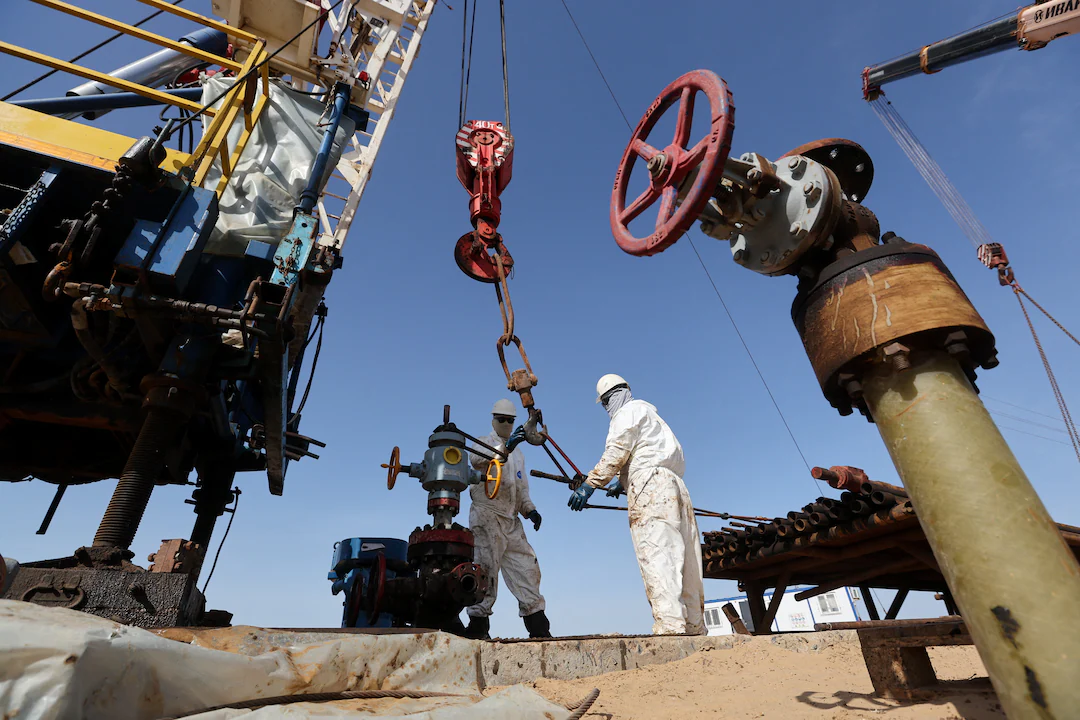
Global oil prices climbed sharply on Wednesday after a fresh escalation in the Middle East reignited fears of supply disruptions, with the United States and Saudi Arabia launching joint strikes on Iran-backed targets in Iraq following what U.S. officials described as an Iranian missile attack targeting American forces. The renewed hostilities have rattled energy markets and raised concerns over the security of oil shipments through the Strait of Hormuz, one of the world’s most critical energy chokepoints.


Benchmark crude prices surged by more than 3% during Asian trading. Brent crude rose to around US$86.79–87.39 per barrel, while West Texas Intermediate (WTI) climbed to approximately US$81.91–82.31 per barrel, reversing several days of declines as traders reacted to the deteriorating security situation.
The latest price rally followed reports that U.S. forces intercepted Iranian ballistic missiles aimed at American personnel in the region. Shortly afterwards, U.S. and Saudi forces carried out strikes against Iran-backed militia positions in Iraq, saying the operation was intended to prevent further attacks. The exchange marked one of the most serious military confrontations since the recent ceasefire between Iran and its adversaries.
Investors are increasingly worried that the renewed conflict could disrupt exports from the Gulf, particularly through the Strait of Hormuz, which normally handles about one-fifth of the world’s oil and significant volumes of liquefied natural gas. Shipping activity in the waterway has reportedly remained well below normal levels, adding to market anxiety over potential supply shortages.

Adding further support to oil prices was a larger-than-expected decline in U.S. crude inventories. Official data showed American stockpiles fell by 3.3 million barrels, signalling stronger demand and tighter supplies. At the same time, traders are closely watching reports that OPEC+ may delay planned production increases for several months, a move that could further tighten the global market.
Diplomatic efforts to calm the crisis have so far yielded little progress. A Gulf-backed proposal presented by Oman that would have allowed Iran to collect voluntary fees from ships using the Strait of Hormuz was reportedly rejected by Tehran, while negotiations aimed at restoring normal maritime traffic remain stalled.
Energy analysts warn that the market is likely to remain highly volatile as geopolitical risks continue to dominate trading. Several analysts said oil could fluctuate within the US$80–100 per barrel range if military tensions persist or if there are further disruptions to shipping routes or energy infrastructure across the Middle East.
Financial markets also reacted to the renewed uncertainty. While higher oil prices boosted energy stocks, investors remained cautious ahead of key U.S. economic data and central bank decisions. Traders said developments in the Middle East are likely to remain the primary driver of oil prices in the coming days, with any sign of further military escalation or diplomatic progress expected to trigger sharp market swings.