
Health
Congo’s Ebola Outbreak Becomes Second-Largest Ever Recorded as Cases Continue to Climb

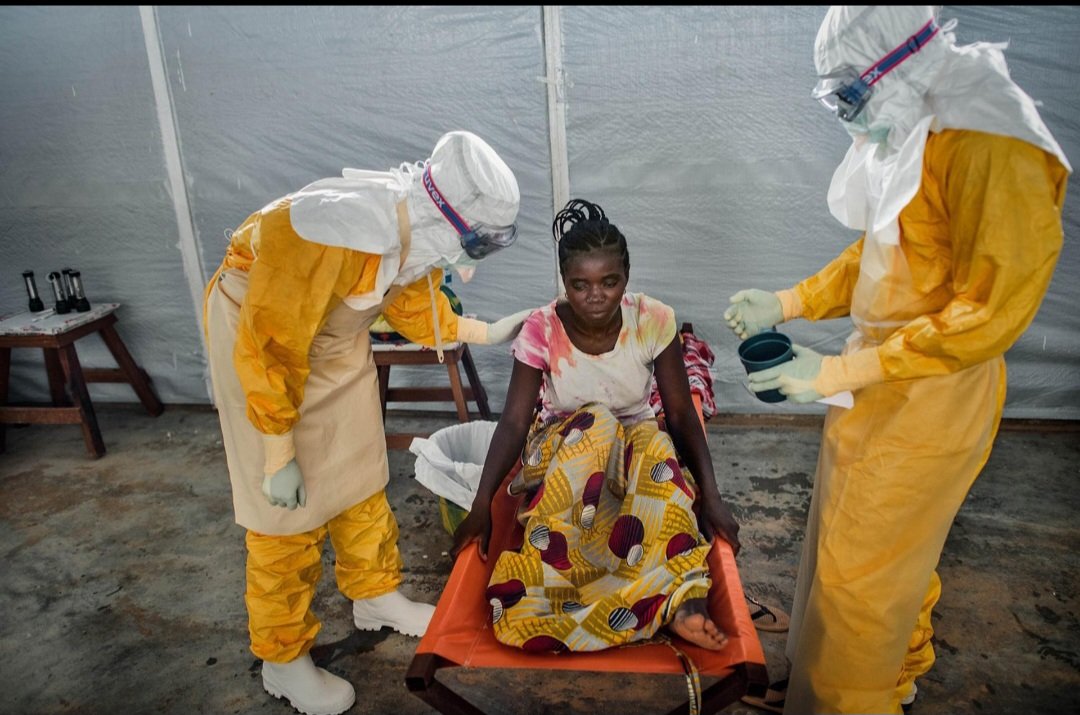
The Democratic Republic of Congo (DRC) is battling the second-largest Ebola outbreak ever recorded, with government figures showing the epidemic has grown to 3,532 confirmed cases and 1,556 deaths, overtaking every previous Ebola outbreak except the devastating West African epidemic of 2014–2016. Health officials warn the virus continues to spread faster than response efforts can contain it, raising fears that the true scale of the crisis may be significantly larger than official figures suggest.
The outbreak, declared on 15 May 2026, is being driven by the Bundibugyo strain of the Ebola virus, a rare variant for which no approved vaccine or specific treatment currently exists. Scientists are testing experimental vaccines, but none has yet been licensed for widespread use, leaving health workers to rely mainly on isolation, contact tracing and supportive medical care.
Health experts say the epidemic is expanding at an unprecedented pace.
The outbreak surpassed 1,000 confirmed infections within just 40 days, making it the fastest-growing Ebola epidemic on record. Nearly 90% of cases have been concentrated in Ituri Province, although infections have spread to several eastern provinces and reached major urban centres, increasing concerns about wider regional transmission.
The only Ebola outbreak larger than the current one remains the 2014–2016 West African epidemic, which infected more than 28,600 people and claimed over 11,300 lives across Guinea, Liberia and Sierra Leone.
Containing the outbreak has proven exceptionally difficult because many of the worst-affected communities are located in conflict zones where armed groups remain active.
Attacks on health facilities, insecurity, poor road networks and the displacement of thousands of civilians have repeatedly disrupted surveillance, contact tracing and treatment operations. Several humanitarian organisations have temporarily suspended field activities following attacks on medical teams.
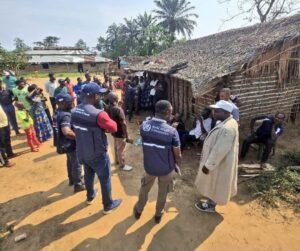
The response has also been weakened by severe funding shortages. The Africa Centres for Disease Control and Prevention (Africa CDC) estimates that approximately $1.4 billion is needed to bring the outbreak under control, but international funding remains well below that level. Aid agencies also warn that reductions in foreign assistance have limited staffing and emergency response capacity.
The World Health Organization (WHO) believes the official figures likely underestimate the outbreak.
According to WHO assessments, actual infections could be up to four times higher because insecurity and limited surveillance prevent many suspected cases from being confirmed. More than 60% of recent Ebola deaths have reportedly occurred outside treatment centres, making transmission even harder to contain because infected bodies are often handled without protective measures.
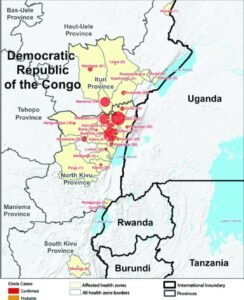
Despite the mounting challenges, Congolese authorities and international partners continue expanding treatment centres, laboratory testing and community awareness campaigns.
Clinical trials of experimental vaccines targeting the Bundibugyo strain began in July, while neighbouring countries have strengthened border surveillance to reduce the risk of cross-border transmission. Uganda, which recently reported imported Ebola cases linked to the DRC outbreak, has intensified monitoring after successfully containing its own outbreak earlier this year.
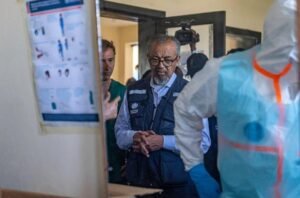
Public health experts caution that the coming weeks will be critical. Without additional funding, stronger security for health workers and improved community cooperation, the outbreak could continue expanding and place even greater strain on Congo’s fragile healthcare system.
Although the WHO continues to assess the global public health risk as low, it warns that the regional risk remains very high, underscoring the urgent need for sustained international support to prevent the epidemic from escalating further.