
World News
How Social Media and Economic Desperation Sparked the Ceuta Border Crisis

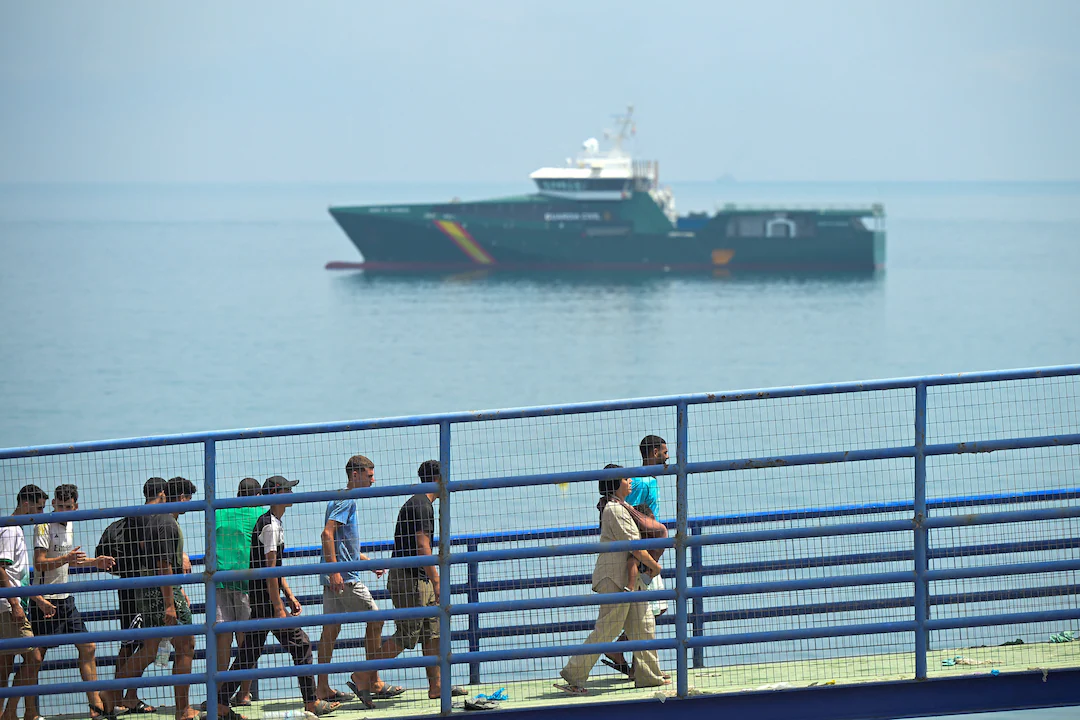
The unprecedented surge of tens of thousands of migrants into the Spanish enclave of Ceuta has been driven by a combination of viral social media rumours, worsening economic hardship and long-standing migration pressures, according to government officials, migration experts and humanitarian organizations.


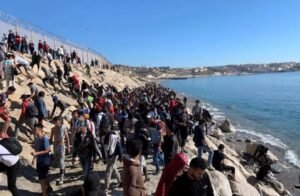
The sudden influx, which saw around 50,000 people cross from Morocco into Ceuta over a short period, overwhelmed border authorities and triggered one of the most significant migration crises on Europe’s southern frontier in recent years. While Spanish and Moroccan authorities have since regained control of the situation, investigations suggest that misinformation circulating online played a major role in encouraging thousands to make the dangerous journey.
According to Spanish officials and researchers monitoring online activity, widely shared videos and messages on platforms such as TikTok, Facebook, WhatsApp and Telegram claimed that Spain had opened the border and would allow migrants to enter Europe without restrictions.
Some posts falsely suggested that Spanish authorities would automatically grant asylum, employment opportunities or legal residency to anyone who reached Ceuta. Others claimed that Moroccan security forces had been instructed not to stop people from crossing.
Authorities from both Spain and Morocco said those claims were false, but by the time corrections were issued, thousands had already begun moving toward the border. Analysts say the speed at which misinformation spread through social media significantly accelerated the crisis.
While misinformation may have triggered the immediate rush, experts say deeper economic problems were the primary force behind the migration wave.
Many of those who crossed cited unemployment, rising food prices, inflation and limited economic opportunities in Morocco and several sub-Saharan African countries. Young people were particularly motivated by the hope of finding work or accessing better living conditions in Europe.
Migration specialists noted that the economic strain caused by prolonged inflation, reduced job opportunities and broader regional instability has made irregular migration increasingly attractive despite the risks involved.
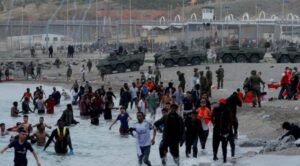
Thousands of migrants entered Ceuta by swimming around coastal barriers, climbing border fences or crossing on foot when security forces became overwhelmed.

Emergency responders rescued numerous people from the water, while hospitals treated migrants suffering from exhaustion, dehydration and minor injuries. Humanitarian organizations reported that women and children were among those making the crossing.
Spanish authorities later confirmed that the majority of migrants have since returned to Morocco through voluntary departures or coordinated return arrangements agreed between the two countries.
Spain and Morocco have intensified cooperation in an effort to prevent another mass crossing.
Moroccan security forces reinforced patrols near the border, while Spain deployed additional police officers, Civil Guard personnel and military units to strengthen security in Ceuta. Authorities in both countries also launched campaigns to counter false information circulating on social media, warning potential migrants that many online claims about unrestricted access to Europe were misleading or entirely fabricated.
Spanish officials said reception centres continue to process asylum applications from those who remain in Ceuta, while unaccompanied minors are receiving special legal protections under Spanish and international law.
The Ceuta crisis has reignited debate across the European Union over migration policy, border security and the growing influence of online misinformation.
Several EU member states have called for stronger cooperation to tackle migrant smuggling networks and to improve the monitoring of false information that encourages dangerous journeys. Others argue that long-term solutions must address the underlying economic and political conditions that drive migration from Africa toward Europe.
Humanitarian organizations have urged governments to balance border security with the protection of migrants’ rights, emphasizing that many people making the journey are fleeing poverty, conflict or persecution.
Although the immediate surge has subsided, migration experts warn that similar incidents could occur again if economic conditions remain difficult and misinformation continues to spread online.
Spain and Morocco are expected to deepen intelligence sharing, strengthen border management and expand public information campaigns to discourage dangerous crossings. At the same time, European policymakers face renewed pressure to develop a coordinated migration strategy that addresses both the humanitarian needs of migrants and the security concerns of member states.