
World News
Cambodia Moves to Settle Sea Dispute With Thailand Through UN Mediation

Cambodia has initiated a United Nations–backed mediation process aimed at resolving a long-standing maritime boundary dispute with Thailand, in a move seen as an effort to ease tensions and establish clearer territorial agreements in the Gulf of Thailand.
Officials say the process will involve international legal frameworks and third-party facilitation under UN guidance to support negotiations between both Southeast Asian neighbours.
The dispute, which has persisted for years, centers on overlapping claims in parts of the Gulf of Thailand believed to be rich in potential energy resources and important fishing grounds.
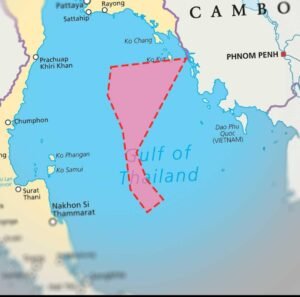
Cambodian authorities say the new initiative is designed to ensure a peaceful, rules-based resolution in line with international maritime law.
By involving the United Nations, Cambodia is seeking to elevate the talks into a more structured and internationally supervised process.
Diplomatic observers say UN backing could help reduce mistrust and provide a neutral platform for both countries to present legal arguments and historical claims.
Thai officials have not yet issued a detailed response to the announcement, but both countries have previously expressed willingness to avoid military escalation and pursue dialogue.
However, past negotiations have stalled due to disagreements over maritime boundaries and resource-sharing arrangements.
The disputed waters are considered strategically significant for fishing communities and potential offshore energy exploration, making the outcome of negotiations economically important for both nations.

Analysts say a successful agreement could boost regional stability and encourage further cooperation within ASEAN frameworks.
The UN-backed process is expected to begin with preliminary consultations, followed by formal negotiation rounds between Cambodian and Thai representatives.
Observers say progress will depend on political will from both sides and the ability of mediators to bridge long-standing disagreements.