
World News
Trump Amends Metal Import Tariffs, Eases Duties on Select Steel, Aluminum and Copper Products

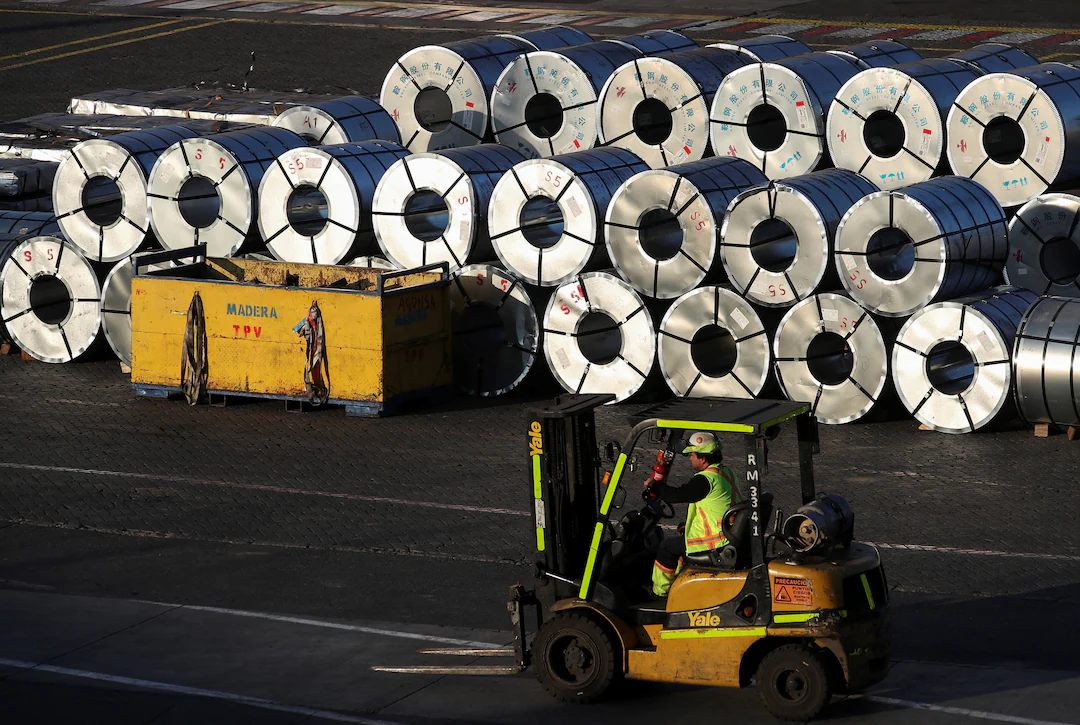
U.S. President Donald Trump has signed a new proclamation amending Section 232 national security tariffs on certain steel, aluminum and copper imports, the White House announced on Monday.
The changes modify existing tariffs imposed under Section 232 of the Trade Expansion Act, which the Trump administration has used to protect domestic metal industries from foreign competition deemed a threat to U.S. national security.
According to the White House, the updated measures are intended to strengthen American manufacturing while providing temporary relief for industries that rely heavily on imported metal-based equipment. The proclamation reduces tariffs on some agricultural equipment, including harvesters and combines, from 25 percent to 15 percent. Certain industrial machinery and mobile equipment such as bulldozers and forklifts will also qualify for the lower tariff rate under specified conditions.
The administration said the revised tariff structure is designed to encourage investment in agriculture, construction and manufacturing while preserving protections for strategic metal industries. The reduced tariff rates will take effect on June 8 and remain in place through December 31, 2027.
The proclamation also introduces incentives for manufacturers that use American-produced metals. Foreign-made capital equipment containing at least 85 percent U.S.-sourced steel, aluminum or copper by weight may qualify for a reduced 10 percent duty rate.
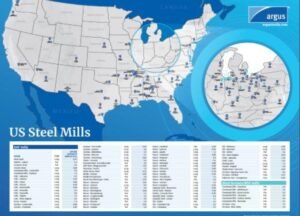
The latest action follows earlier moves by the administration to strengthen tariffs on imported steel, aluminum and copper products. In April, the White House revised the Section 232 framework, imposing tariffs of up to 50 percent on certain metal products while adjusting rates for derivative goods.
Supporters of the policy argue that the tariffs have helped revive domestic metal production and encouraged new investment in U.S. manufacturing facilities. Critics, however, contend that tariffs increase costs for businesses dependent on imported materials and equipment.
The White House said the latest adjustments are aimed at balancing national security objectives with the needs of industries that depend on steel, aluminum and copper products for production and economic growth.