
World News
Strait of Hormuz Shipping Slows as Reopening Remains Unclear


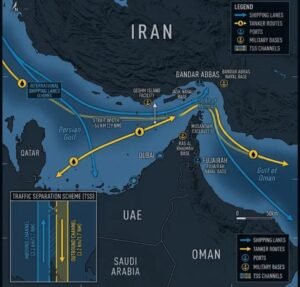
Shipping traffic through the strategically important Strait of Hormuz has slowed further as shipowners remain reluctant to use the waterway amid conflicting claims over whether it has fully reopened.
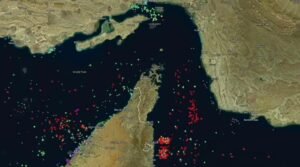
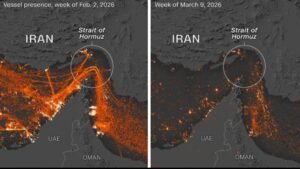
Kpler data showed that only six commodity vessels crossed the Strait of Hormuz on Tuesday, down from nine the previous day and below the recent 10-day average of 11 daily crossings. The vessels included one very large crude carrier entering from the Omani side, two other tankers and three ships exiting the waterway.
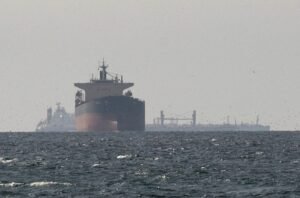
The reduced traffic reflects continued uncertainty surrounding the status of the strait, a critical route for global energy supplies. Before the current conflict, the waterway carried roughly one-fifth of global crude oil and liquefied natural gas shipments.
Although US President Donald Trump has said the strait remains open and operating, Iran maintains that the waterway is closed until Washington meets conditions linked to an interim agreement between the two countries.
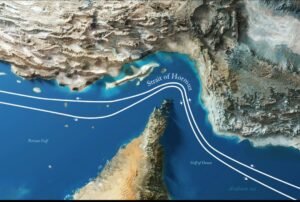
The conflicting positions have left shipping companies facing difficult decisions over whether to send vessels through the narrow waterway. Security concerns, potential attacks and uncertainty over which routes are considered safe have encouraged many operators to delay voyages or seek alternative routes.
The situation has also affected major oil buyers. Two large Chinese shipping companies that previously transported about half of China’s Middle Eastern oil imports have stopped operations through both Hormuz and the Bab el-Mandeb Strait, according to shipping data cited by Reuters.
The slowdown is adding pressure to global oil markets. Brent crude rose for a fourth consecutive day on Wednesday, reaching around $91.44 a barrel, while US West Texas Intermediate also gained as traders assessed the potential impact of prolonged disruption to Middle Eastern exports.
Saudi Arabia has nevertheless resumed some crude loadings from terminals inside the Strait. Saudi Aramco loaded three very large crude carriers between August 12 and 16, each capable of carrying about two million barrels, although broader exports remain constrained by disruptions elsewhere in the region.
The uncertainty comes as Washington and Tehran remain at odds over the future of the waterway and wider efforts to end the conflict.
For global energy markets, the key concern is how long the reduced shipping traffic will continue. A prolonged slowdown could tighten oil supplies, increase freight and insurance costs and add further inflationary pressure on economies dependent on imported energy.
For now, the Strait of Hormuz remains technically navigable for some vessels, but the sharply reduced traffic shows that shipping companies are still far from treating the waterway as fully safe or normal.