
World News
South Korea Says Trump Appears to Pressure Seoul Over Iran, $350bn Investment

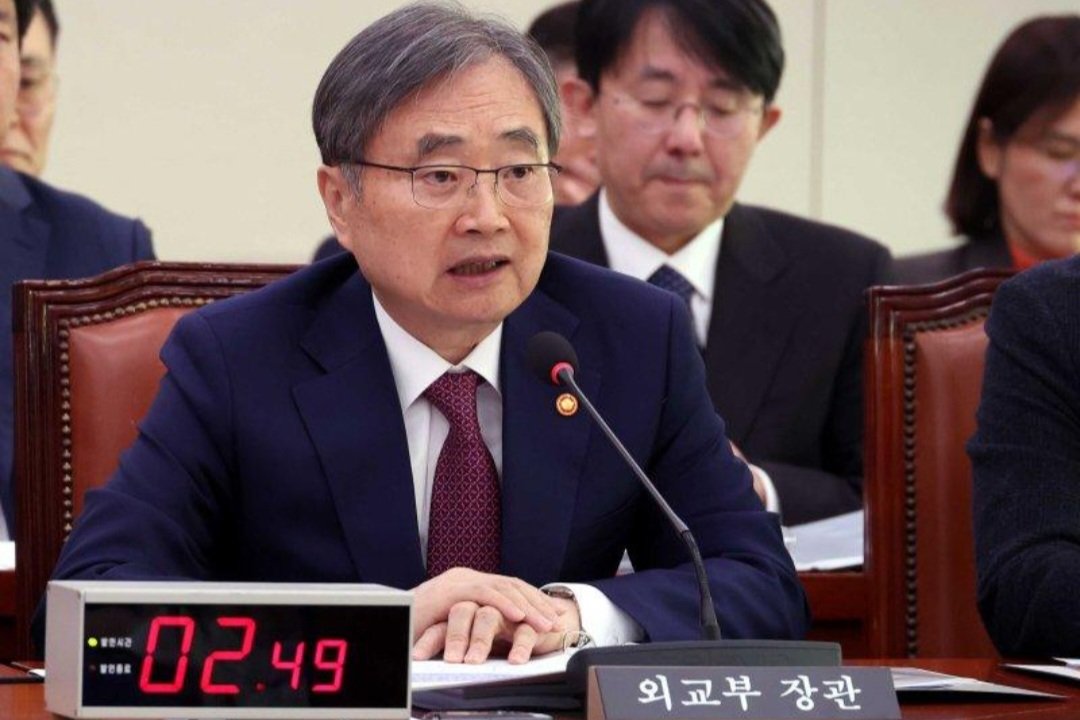
South Korea’s Foreign Minister Cho Hyun has said U.S. President Donald Trump’s decision to scale back joint military exercises appears to be part of a broader effort to pressure Seoul over several unresolved issues, including its position on the war in Iran and a major investment pledge to the United States.
Speaking at a parliamentary hearing in Seoul on Wednesday, Cho said Trump’s directive to reduce U.S. participation in the annual Ulchi Freedom Shield exercises appeared to carry several messages for the South Korean government.
“I think President Trump’s message includes pressure over several pending issues concerning the South Korean government, as well as a message to North Korea and an intention by the United States to break a stalemate in the Iran war,” Cho said.
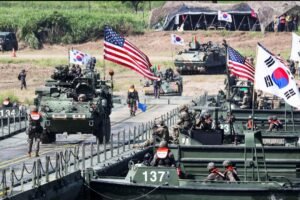
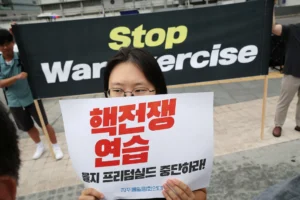
The United States and South Korea subsequently agreed to shorten the annual military exercises from 11 days to five days and reduce some field-training activities following Trump’s order for a substantial reduction in U.S. participation.
The decision has caused concern in Seoul because officials said they were not informed in advance. Cho told lawmakers that neither South Korean officials nor their U.S. counterparts had known beforehand that Trump would order the reduction.
According to Cho, Washington’s frustration with Seoul’s position on the Iran conflict is one of the issues behind the pressure.
South Korea has been reluctant to participate directly in U.S. military efforts related to Iran. The disagreement comes as Washington seeks greater support from allies amid the ongoing conflict and efforts to resolve the stalemate.
Trump’s administration has also been seeking to manage the wider strategic consequences of the conflict, including security around key Middle Eastern waterways.
Another source of tension is South Korea’s commitment to invest $350 billion in the United States under a trade agreement reached last year.
Cho acknowledged that Seoul has yet to announce detailed plans for the investment, saying the government needs to consider commercial viability and complete necessary legal procedures. Washington has already sent Seoul a proposal outlining potential projects that could receive investment.
The investment package has become a significant component of the economic relationship between the two allies and comes amid broader negotiations over trade, tariffs and South Korean companies’ investments in the U.S.
South Korean officials also believe Trump’s move may be connected to his desire to reopen dialogue with North Korean leader Kim Jong Un.
Unification Minister Chung Dong-young, who appeared at the same parliamentary hearing, said he believed the reduction in military exercises could indicate that Trump is moving closer to another meeting with Kim.
Trump has repeatedly highlighted his personal relationship with the North Korean leader and has signalled an interest in renewed diplomacy with Pyongyang.
However, the reduction in the exercises has raised concerns among some South Korean politicians and security experts about the strength of the U.S.-South Korea alliance and the impact on military readiness.
President Lee Jae Myung has nevertheless stressed the importance of maintaining the alliance while also advocating greater South Korean responsibility for its own defence.
The latest dispute highlights the increasingly complex relationship between Washington and Seoul, where security cooperation with the United States is now intertwined with disagreements over Iran, trade, investment and Trump’s efforts to revive engagement with North Korea.