
World News
US Judge Vacates Trump Visa Suspension Affecting Nigerians, 74 Other Countries

A US federal judge has struck down a Trump administration policy that suspended the issuance of immigrant visas to nationals of 75 countries, including Nigeria, in a major setback for the administration’s immigration crackdown.
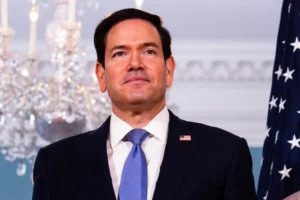
US District Judge Jeannette Vargas of the Southern District of New York ruled on Friday, August 21, that the policy was unlawful and that Secretary of State Marco Rubio had exceeded his statutory authority by imposing a blanket suspension based on nationality.
The policy, introduced by the US State Department in January, was aimed at nationals of countries whose immigrants the administration considered to be at high risk of becoming dependent on public assistance in the United States.
It took effect on January 21, 2026, and Nigeria was among the 75 countries listed by the State Department.
Under the policy, Nigerian nationals seeking to permanently immigrate to the United States were prevented from receiving immigrant visas while the suspension remained in force.
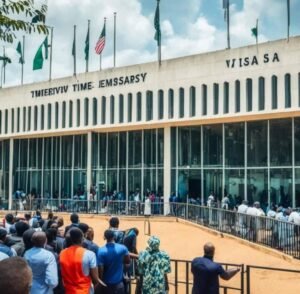
This primarily affected people seeking to relocate permanently to the US, including individuals pursuing family-based and employment-based immigrant visas.
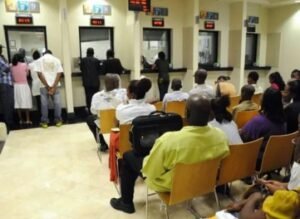
Applicants from affected countries could still submit applications and, in some cases, attend scheduled interviews, but the State Department had instructed that immigrant visas would not be issued while the pause remained in effect. Existing valid immigrant visas were not revoked by the January policy.
The suspension was not a blanket ban on every type of US visa for Nigerians. The January 75-country measure specifically concerned immigrant visas. Nonimmigrant categories such as tourist and business visas, student visas and certain temporary work visas were outside the scope of that particular suspension, although Nigeria faced separate visa restrictions under another US policy introduced at the start of 2026.
Judge Vargas said the administration’s nationality-based suspension conflicted with the framework established by Congress under US immigration law.
The judge found that the policy effectively prevented consular officers from making individual assessments of applicants and instead categorically blocked immigrant visa issuance because of nationality.
She ruled that the policy was “contrary to law and in excess of statutory authority.”
The lawsuit was brought by immigrant-rights organisations, affected visa applicants and US citizens sponsoring relatives. The groups argued that the policy unlawfully separated families and prevented eligible immigrants from having their applications considered individually.
For Nigerians affected by the 75-country suspension, the ruling removes the specific nationality-based barrier that had prevented immigrant visas from being issued under the January policy.
However, the ruling does not mean every Nigerian applicant automatically gets a US visa. Applicants must still satisfy the normal requirements for the particular immigrant visa category, and consular officers will continue to assess individual applications under applicable US immigration law.
The court order also set aside immigrant-visa refusals that were based solely on the now-invalid policy, meaning affected cases are to be reconsidered under the normal legal framework.
The State Department has not indicated exactly how quickly processing will return to normal following the ruling, and the administration could seek further judicial review.
The decision represents a significant development for Nigerians and nationals of the other affected countries who had been waiting for family reunification, employment-based immigration and other pathways to permanent residence in the United States.
The ruling is also the latest in a series of court challenges to Trump’s immigration policies, as federal judges continue to scrutinise the administration’s efforts to restrict both legal and illegal immigration.