
World News
Kushner Meets Hamas Leader in Rare Gaza Diplomacy Push, Heads to Netanyahu Talks

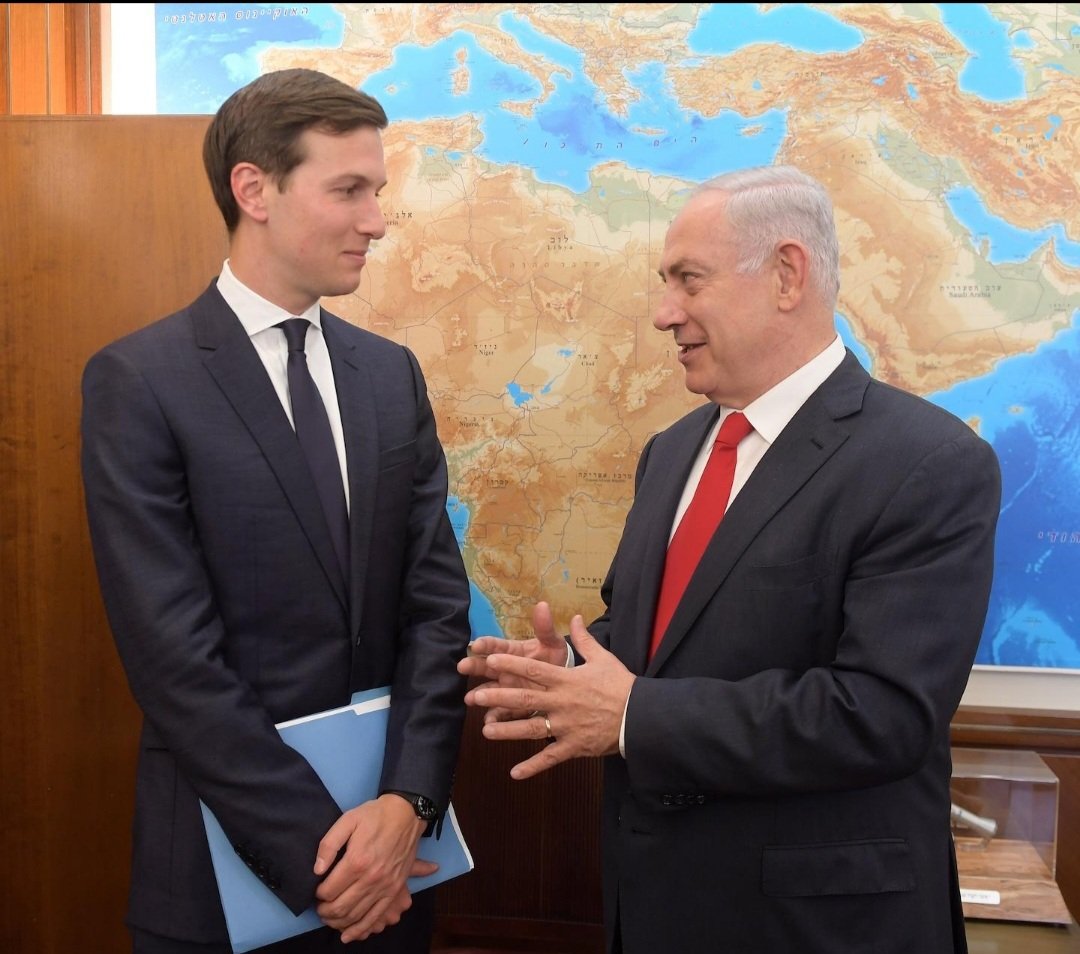
US President Donald Trump’s Middle East envoy, Jared Kushner, held a rare direct meeting with Hamas leader Khalil al-Hayya in Egypt as Washington stepped up efforts to revive a stalled Gaza ceasefire and peace roadmap.
The meeting, held on Sunday, August 16, marked an unusual engagement between a senior US representative and the political leadership of Hamas. Kushner was joined in the broader discussions by US-backed Board of Peace officials, including envoy Nickolay Mladenov and former British Prime Minister Tony Blair. Egyptian, Qatari and Turkish mediators were also involved in the talks.
The talks are focused on Trump’s 15-point roadmap for ending the Gaza conflict and moving toward a new political and security arrangement for the territory.
Under the US-backed proposal, Hamas would disarm and dismantle its military infrastructure, while Israeli forces would gradually withdraw from Gaza. Governance would eventually be transferred to a Palestinian technocratic administration, with Hamas excluded from the territory’s future government.

Sources familiar with the discussions said Hamas reaffirmed its willingness to pursue demilitarisation, but insisted that Israel must also fulfil its obligations under the roadmap.
Hamas has called for an end to Israeli attacks and for Israeli forces to withdraw to the so-called “yellow line” before implementation of the next phase can proceed.

The group has also urged Trump’s Board of Peace and regional mediators to pressure Israel into accepting the proposal.
The position highlights one of the central obstacles facing the plan: Hamas wants Israeli withdrawal and guarantees before fully surrendering its weapons, while Israeli Prime Minister Benjamin Netanyahu insists Hamas must be genuinely disarmed before Israeli forces withdraw.

Netanyahu has rejected the US-backed roadmap, particularly provisions connected to an Israeli military withdrawal and restrictions on military operations against Hamas.
His position has put the next phase of the ceasefire process in doubt and triggered criticism from several Arab governments, including Saudi Arabia, the United Arab Emirates and Jordan, which have called for the US to ensure compliance with the peace plan.

The Israeli prime minister is now expected to meet Kushner on Monday, August 17, in what could become a crucial test for Trump’s efforts to move the Gaza agreement forward.
Kushner’s trip effectively puts him between the two sides: after pressing Hamas directly on disarmament, he is set to engage Netanyahu on the Israeli commitments required under the same roadmap.

The meetings come as violence continues in Gaza despite the ceasefire that halted the main phase of fighting in October 2025.
Reuters reported that Israeli airstrikes continued in the territory during the latest diplomatic push, while Hamas accused Israel of violating the ceasefire and called on mediators to intervene.
The US administration is therefore attempting to convert the existing ceasefire into a more permanent political arrangement. The next phase would require difficult decisions on Hamas’ weapons, Israeli troop deployments, Gaza’s future administration, humanitarian assistance and reconstruction.

For Kushner, the meeting with al-Hayya is also significant because the Hamas leader only recently emerged as the group’s overall political chief. Al-Hayya was elected in July and has extensive experience in ceasefire negotiations, making him a central figure in any attempt to secure Hamas’ cooperation.
Whether Kushner can bridge the gap between Hamas’ demand for an Israeli withdrawal and Netanyahu’s insistence on full Hamas disarmament could determine whether Trump’s Gaza roadmap advances or stalls again.
The upcoming Kushner-Netanyahu meeting is therefore expected to be closely watched across the region, particularly after the US envoy’s unprecedented engagement with Hamas leadership in Egypt.