
World News
Trump Turns to Economic Warfare Against Iran as Military Escalation Remains on the Table

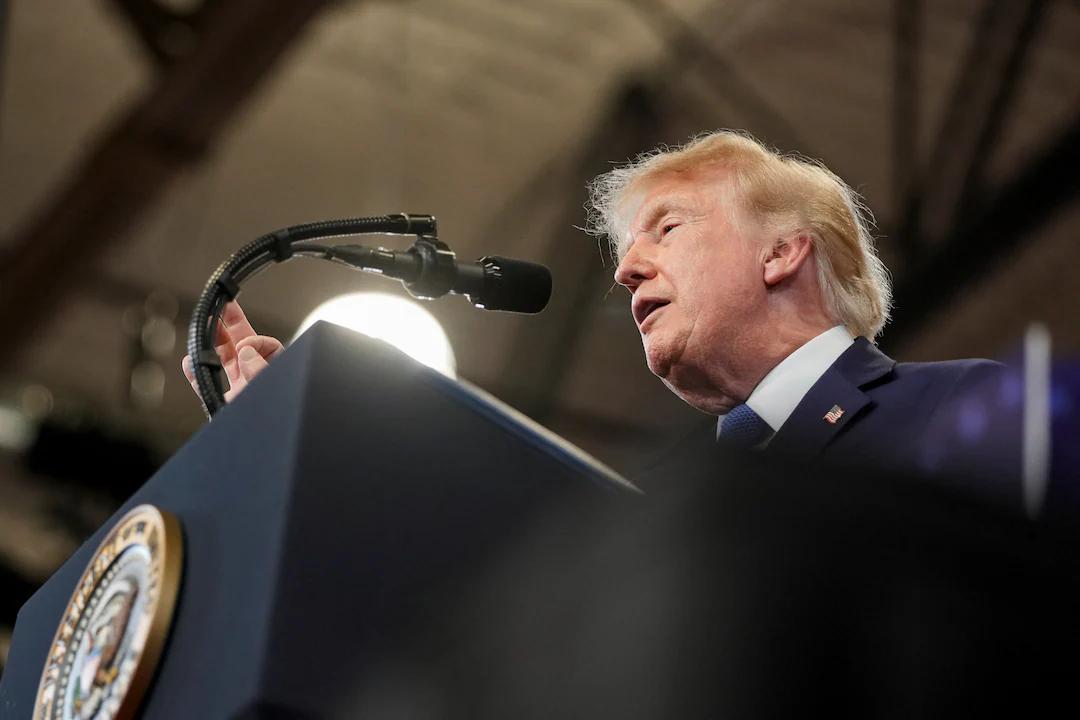
U.S. President Donald Trump is preparing to intensify economic pressure on Iran as efforts to end the conflict and resolve the standoff over the Strait of Hormuz remain uncertain.
Trump said Friday that he wanted to hit Iran hard economically, while Treasury Secretary Scott Bessent warned that Washington would announce measures of unprecedented scale as early as next week. The administration has already imposed extensive sanctions and is maintaining a naval blockade aimed at restricting Iran’s trade and oil revenues.
What options does Trump have?
1. Tighten sanctions on Iranian oil
One of Washington’s most powerful tools is further targeting Iran’s oil industry, the country’s principal source of foreign currency. The US can sanction companies, banks, shipping firms and vessels involved in purchasing or transporting Iranian crude.
Washington could also intensify so-called secondary sanctions against foreign businesses and countries that continue buying Iranian oil. Such measures could make it more difficult for Tehran to sell its crude and collect payments.
2. Target Iran’s financial network
The administration can expand restrictions on Iranian banks and financial institutions, making it harder for Tehran to access international banking systems and move money overseas.
The US could also pursue companies and individuals accused of helping Iran circumvent existing sanctions.
3. Intensify the naval blockade
Washington has already threatened to maintain its naval blockade of Iran indefinitely. The blockade is designed to restrict the movement of goods through Iranian ports and put further pressure on the country’s economy.
Bessent said the next phase could combine greater economic isolation with continued restrictions on shipping in and out of Iranian ports.
But this option carries significant risks because the Strait of Hormuz is a crucial global energy route. Roughly one-fifth of the world’s oil supply normally passes through the waterway, meaning prolonged disruption could push energy prices higher worldwide.
4. Increase pressure on countries trading with Iran
Washington could also expand penalties against countries and companies that continue doing business with Tehran.
China is particularly important because it has been a major buyer of Iranian oil. Previous US sanctions have targeted businesses involved in Iran’s oil trade, including Chinese companies and vessels accused of facilitating shipments.
5. Use economic pressure alongside diplomacy
Trump could maintain sanctions and the blockade while keeping negotiations open. This would allow Washington to use Iran’s worsening economic conditions as leverage while avoiding an immediate return to a broader military offensive.
Trump has recently indicated that economic pressure is an important part of his strategy, while negotiations involving Iran and regional intermediaries remain uncertain.
The central question is whether economic pressure can force Tehran to make the concessions Washington wants.
Iran has lived under US sanctions for decades and has developed networks for circumventing restrictions. Analysts also warn that sanctions can take time to produce results, while a blockade can create immediate consequences for global energy markets.
The pressure campaign is already contributing to volatility in oil prices. Brent crude rose to about $88.52 a barrel on August 14 as fears over tanker attacks and the continuing blockade increased concerns about global supplies.
For Trump, the dilemma is therefore straightforward but difficult: increase the economic pain on Iran without triggering an even wider regional conflict or a new surge in energy prices.
With Washington promising measures that Bessent says will be unlike previous economic isolation campaigns, the coming weeks could determine whether Trump’s economic strategy brings Tehran back to the negotiating table, or deepens the confrontation.