
World News
Iran Plans New ‘Exclusion Zone’ Near Strait of Hormuz as Tensions With US Escalate

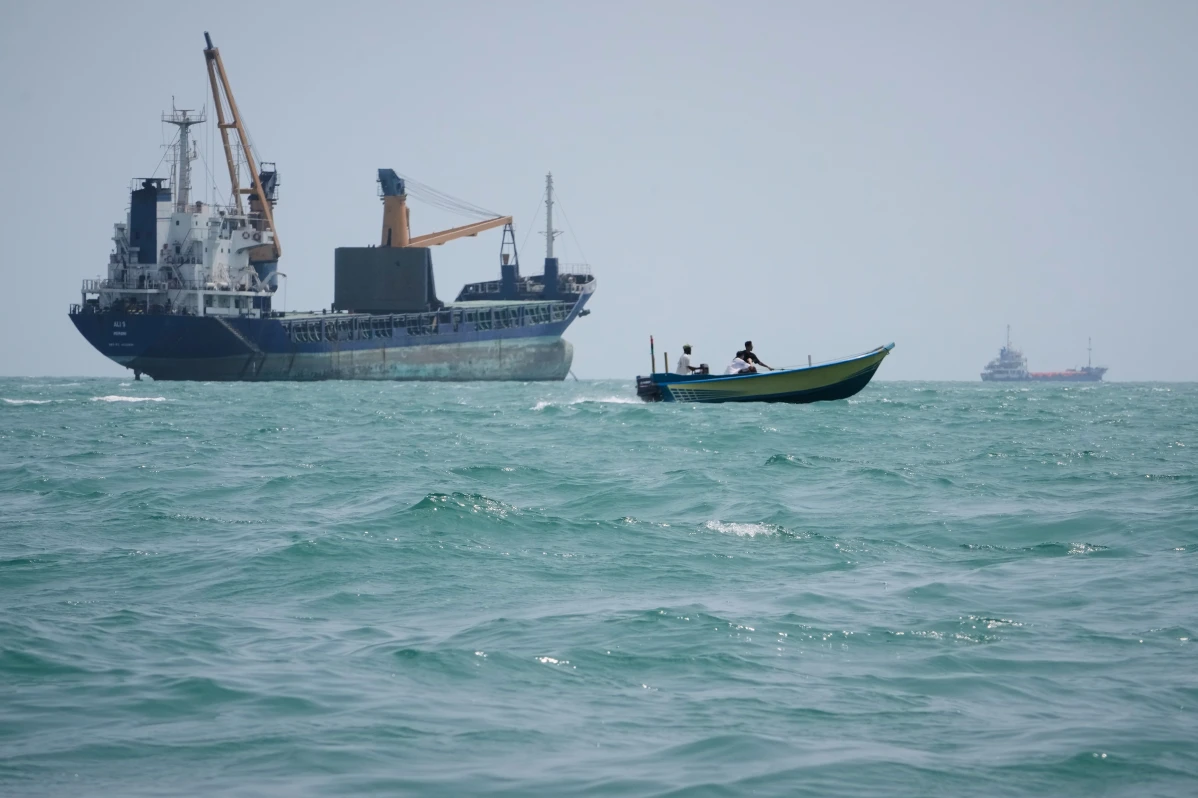
Iran has announced plans to establish a new “exclusion zone” near the Strait of Hormuz, a move that could further restrict one of the world’s most important shipping routes and intensify an already dangerous confrontation between Tehran and Washington.
Mohsen Rezaei, Iran’s new secretary of the Supreme National Security Council, said on Sunday that the new prohibited area would be announced in the coming days. He said it would begin at the line of the U.S. naval blockade, extend toward the Strait of Hormuz and include parts of the Persian Gulf.
Rezaei said any vessel entering the zone with the intention of passing through the Strait would be identified and placed on an Iranian sanctions list.
The announcement comes amid a sharp escalation in U.S.-Iran maritime hostilities, including attacks involving oil tankers and American military vessels. The United States recently struck three Iranian oil tankers after Iran launched ballistic missiles at U.S. warships, according to reports.
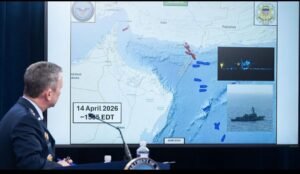
The Strait of Hormuz is a critical maritime chokepoint linking the Persian Gulf with the Gulf of Oman and the wider Arabian Sea. Millions of barrels of oil and other energy products normally pass through the waterway, making any sustained disruption a major concern for global energy markets.
Shipping activity has already fallen dramatically amid the conflict. Reuters reported that only a handful of commercial vessels crossed the strait on some recent days, compared with roughly 125 commercial vessels a day before the war.
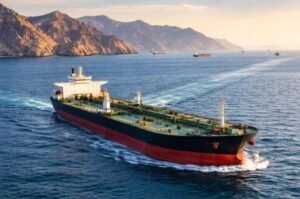
The latest announcement has added fresh pressure to oil markets. Reuters reported Monday that Brent crude climbed above $97 a barrel, while U.S. crude also rose as traders assessed the possibility of further disruption to Gulf shipping.
The planned exclusion zone appears to be another attempt by Tehran to challenge the U.S. naval blockade and assert control over maritime traffic around the strait.
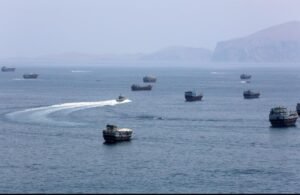
Iran has maintained that it retains control over the waterway, while Washington has been seeking to prevent Iranian oil exports and protect shipping routes.
The confrontation has also raised fears among shipping companies and energy traders that commercial vessels could become caught between the two sides.
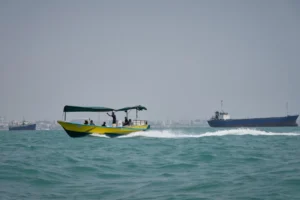
Reuters reported that the U.S. blockade has already severely reduced Iranian crude exports, with Tehran facing growing economic pressure as its ability to move oil overseas has been restricted.
Iran has yet to provide detailed rules on how the new exclusion zone would be enforced, what its precise geographical boundaries would be or when the restrictions would formally take effect.
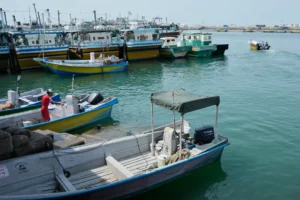
That uncertainty is likely to be closely watched by international shipping operators, governments and energy markets.
The announcement comes as diplomatic efforts to contain the U.S.-Iran confrontation remain fragile, with both sides continuing to issue warnings while military activity around the Gulf increases.
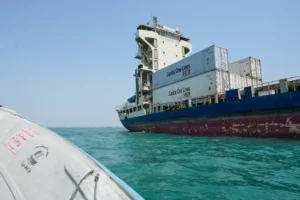
For global markets, the biggest concern is whether the latest escalation develops into a prolonged disruption of traffic through Hormuz. Any major interruption could put further upward pressure on crude prices and increase transportation and energy costs worldwide.