
World News
US Bans Canadian Dairy, Most Alcohol and Motorcycles as Trade War Escalates

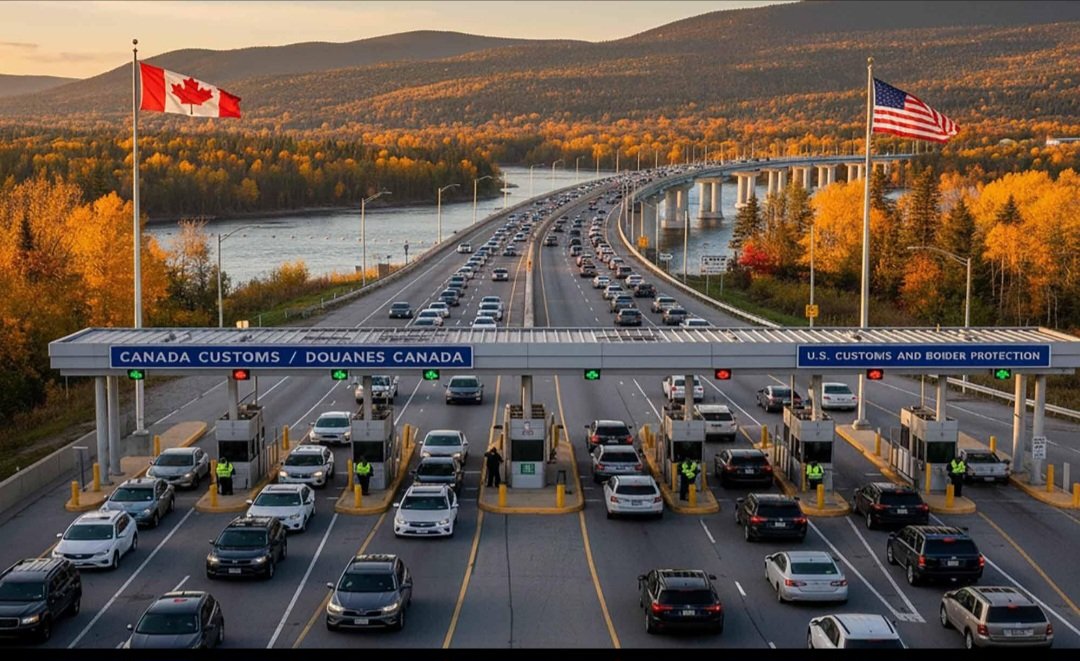
The trade relationship between the United States and Canada has taken another dramatic turn, with Washington announcing new import bans on a range of Canadian products including dairy goods, most alcoholic beverages and motorcycles.
The measures, announced by the Trump administration on Tuesday, are scheduled to take effect on September 29, marking a significant escalation in the increasingly bitter trade dispute between the two longtime allies.
The latest restrictions came just hours after Canada imposed retaliatory tariffs covering about $20 billion worth of US imports, intensifying the tit-for-tat confrontation between the two countries.

The White House says the restrictions are part of an effort to respond to what the Trump administration describes as unfair treatment of American products by Canada.
The targeted products include a broad range of Canadian alcoholic beverages, selected dairy products and motorcycles. Washington has also announced additional tariffs on other Canadian goods, including certain cheeses, steel and aluminium products, furniture and other manufactured items.
The administration has separately moved to prevent Canadian products from being eligible for some large, long-term US government contracts until Canada provides what Washington calls “full and fair reciprocity” for American products.
Canada’s latest retaliation covers hundreds of American products, with tariffs ranging from 15% to 50%. The affected goods include steel, aluminium, cheese, appliances, clothing, cosmetics and agricultural equipment.
Canadian Prime Minister Mark Carney has defended the measures, arguing that Ottawa cannot allow American goods to enter Canada without tariffs while Canadian businesses face significant restrictions in the US market.
Carney has also signalled that Canada intends to reduce its reliance on the United States by expanding trade with other countries, particularly in Europe.
More than 70% of Canada’s exports currently go to the United States, highlighting the scale of the economic relationship, and the potential consequences if the dispute continues.
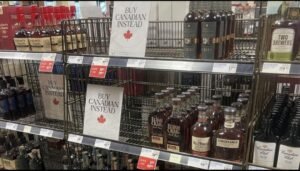
Alcohol has emerged as one of the most visible symbols of the worsening dispute.
Several Canadian provinces previously removed American alcoholic products from their shelves in response to US tariffs. Washington’s latest action now threatens Canadian alcoholic-beverage exporters with a similar restriction in the US market.

The Distilled Spirits Council of the United States has called for negotiations to restore tariff-free trade in the sector, warning that continued restrictions could hurt producers and consumers on both sides of the border.
The latest confrontation goes beyond individual products. The dispute is increasingly putting pressure on the broader economic relationship between the two countries and raising questions about the future of the US-Mexico-Canada Agreement (USMCA).
The two countries have one of the world’s largest bilateral trading relationships, with manufacturers, farmers, retailers and consumers deeply connected across their shared border.
Analysts warn that prolonged tariffs and import restrictions could increase costs for businesses, disrupt supply chains and encourage companies to reconsider where they manufacture and source products.
Canada, meanwhile, is accelerating efforts to diversify its export markets. Carney has said the country wants to build greater economic resilience so that it cannot be held hostage by dependence on a single trading partner.
Formal US-Canada trade talks collapsed on August 21, and neither side appears eager to return to negotiations from a position that could be interpreted as weakness.
Officials from both countries remain in contact, but the latest round of tariffs and import bans suggests that the dispute is becoming increasingly entrenched.
What began as a dispute over tariffs is now developing into a broader confrontation over trade policy, economic independence and the future of one of the world’s closest economic partnerships.