
World News
Algeria Cuts Diplomatic Ties With UAE Over ‘Provocative, Hostile’ Actions

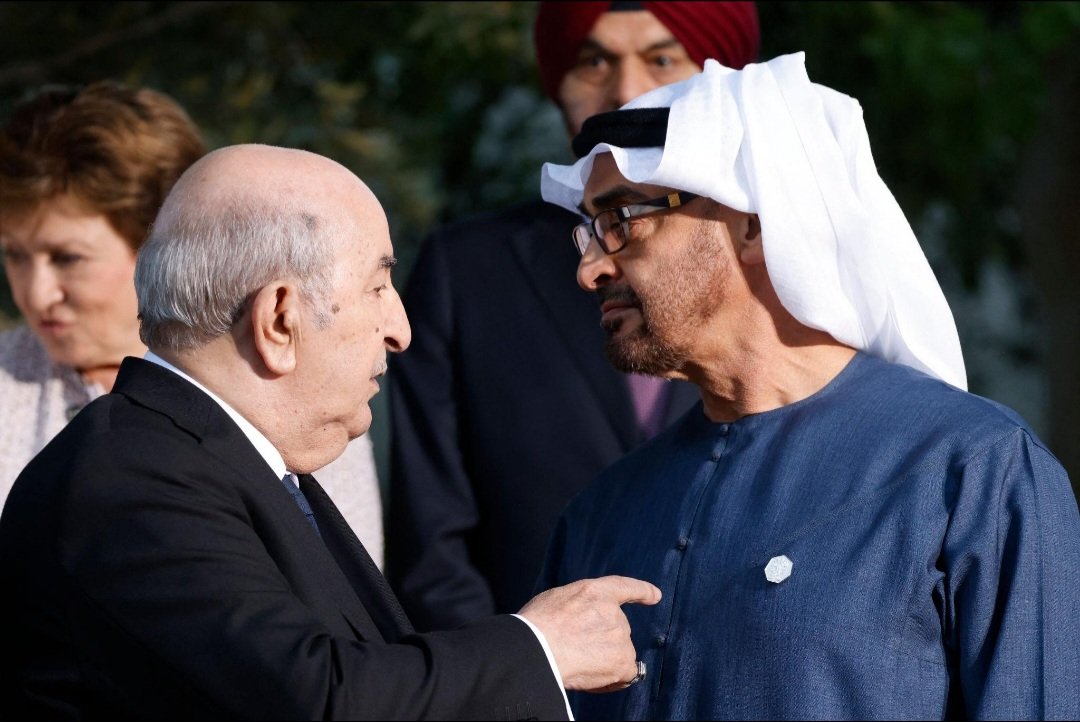
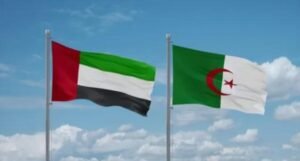
Algeria has severed diplomatic relations with the United Arab Emirates, accusing Abu Dhabi of repeatedly engaging in what it described as “provocative or hostile” actions and saying all efforts to preserve bilateral relations had been exhausted.

The decision, announced by Algeria on Thursday, September 10, marks a dramatic deterioration in relations between the two Arab countries, which have maintained diplomatic ties since 1973.
Algeria’s Foreign Ministry said the UAE had been warned repeatedly about its conduct but had failed to respond in a manner that could prevent further deterioration. The Emirati ambassador in Algiers has reportedly been given 48 hours to leave Algeria.
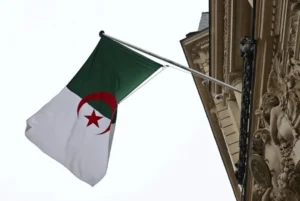
According to the Algerian statement carried by state television, the decision followed the exhaustion of “all means” to maintain relations between the two countries.
Algiers did not publicly identify a single incident that triggered the final break. Instead, it referred to a pattern of actions that it considers unacceptable and hostile.
The move represents a significant escalation after months of increasingly strained relations.
The two governments had previously taken steps to reduce cooperation. In February, Algeria began the process of terminating a 2013 air-services agreement with the UAE, another indication that diplomatic tensions had moved beyond rhetoric.
Relations between Algeria and the UAE have been strained by competing positions on several major regional issues.
One of the most sensitive is the Western Sahara dispute. Algeria supports the Polisario Front and its demand for self-determination, while the UAE has backed Morocco’s position on sovereignty over the disputed territory.
The two countries have also competed for influence in the wider Sahel and North Africa, while taking different positions on regional conflicts and alliances.
Another major point of disagreement has been Israel.
Algeria has strongly opposed the normalisation of relations between Arab countries and Israel, while the UAE established diplomatic relations with Israel under the 2020 Abraham Accords.

The diplomatic rupture did not come entirely out of the blue.
Algeria had increasingly expressed concern about what it described as foreign interference and destabilising activity in the region. President Abdelmadjid Tebboune had previously alluded to tensions with a Gulf state without always naming the UAE directly.
The dispute also extended into economic and aviation relations, with Algeria’s move earlier this year to begin cancelling its air-services agreement with the UAE.
Only days before the diplomatic break, however, Algeria’s official foreign ministry website published details of a message from Tebboune to UAE President Sheikh Mohamed bin Zayed Al Nahyan, describing the relationship between the two countries in notably friendly terms and referring to their shared desire to promote bilateral relations.

That makes Thursday’s announcement an especially sharp reversal in the relationship.
The UAE has not announced a reciprocal severance of diplomatic relations.
According to Reuters, UAE presidential adviser Anwar Gargash stressed the importance of diplomacy based on rational communication and clarity following Algeria’s announcement.
The UAE has also been dealing with a wider and increasingly complicated regional security environment following the prolonged conflict involving Iran and Gulf states.
Gargash said earlier this week that the regional landscape had become more complicated and uncertain, while arguing that Gulf states needed greater strategic autonomy in dealing with security threats.
The severing of relations is likely to have consequences beyond diplomatic representation, particularly if the breakdown extends to trade, aviation, investment and other forms of bilateral cooperation.
Algeria and the UAE have maintained economic links in sectors including energy, investment and transportation, while their citizens and businesses have longstanding connections.
The diplomatic rupture also comes at a particularly sensitive time for the Arab world, with conflicts and geopolitical rivalries stretching across the Middle East, North Africa and the Sahel.
For now, Algeria’s decision marks one of the most serious diplomatic breaks between two Arab states in recent years and highlights the depth of the disagreements over regional alliances, sovereignty and political influence.
The immediate question will be whether the UAE responds with reciprocal diplomatic measures or seeks to prevent the dispute from escalating further.