
Health
Congo Begins Ebola Vaccination for Health Workers at Outbreak Epicentre

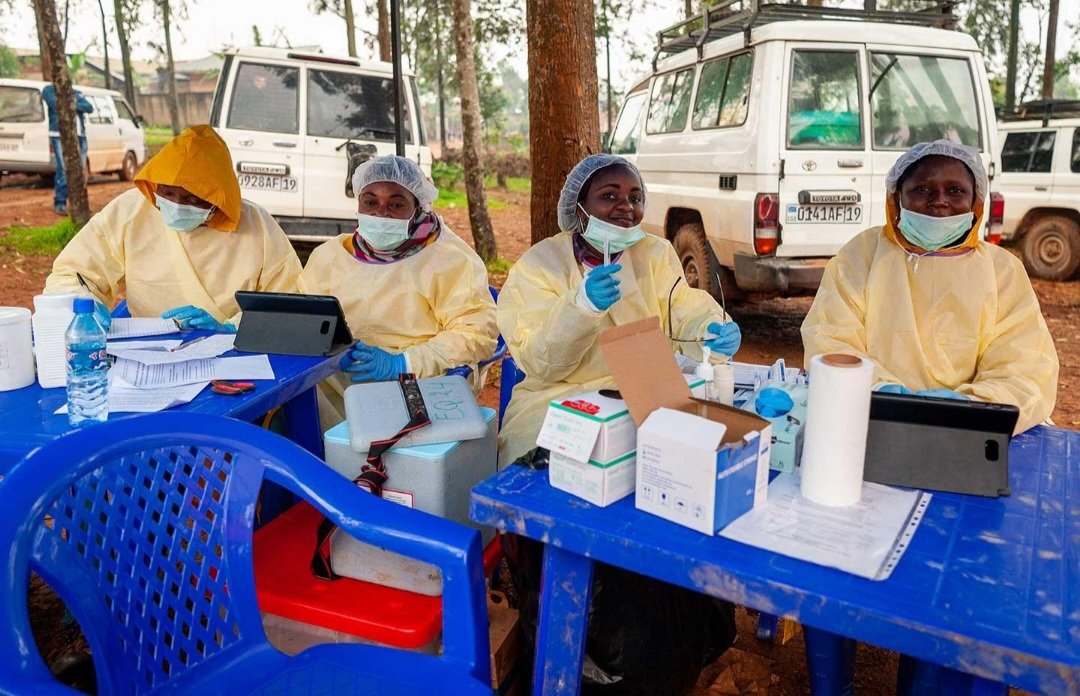
The Democratic Republic of Congo has begun vaccinating health workers and other frontline responders against Ebola in Bunia, the epicentre of the country’s ongoing outbreak, as authorities step up efforts to protect medical teams exposed to the virus.
The vaccination campaign began Saturday in Bunia and Mongbwalu, two of the hardest-hit areas in Ituri province. Health workers have been prioritised because of their continued exposure to infected patients and their central role in the response.
Authorities plan to vaccinate about 20,000 frontline workers across Ituri and North Kivu provinces over the next six to nine months. The programme is using Ervebo, an Ebola vaccine that is licensed for protection against the Zaire strain of Ebola.
The current outbreak, however, is being caused by the Bundibugyo virus, a different Ebola species for which there is currently no licensed vaccine or treatment. Scientists are therefore studying whether Ervebo can provide protection against the strain responsible for the outbreak.
The World Health Organization has said available evidence is not yet sufficient to recommend routine use of Ervebo against Bundibugyo virus. Its use in the current outbreak is therefore taking place within research protocols, with recipients being informed about the vaccine’s potential benefits and limitations.
On Saturday, Médecins Sans Frontières (MSF) and its research arm, Epicentre, also launched a study known as BRAVO to assess the effectiveness of Ervebo among frontline workers. The study will follow approximately 20,000 workers in Ituri and North Kivu over nine to 12 months.
The scale of the outbreak remains a major concern. Government figures cited by the Associated Press put confirmed infections at 7,541, with 3,639 deaths and 1,823 recoveries as of Saturday. The outbreak has been complicated by insecurity, population displacement, movement between communities and a strike by some health workers.
WHO has reported some encouraging signs in parts of Ituri, but has warned that the outbreak remains a serious threat, particularly as cases continue to rise in other areas. Reuters reported this week that more than 3,000 frontline workers had already received Ervebo before Saturday’s expanded vaccination effort.
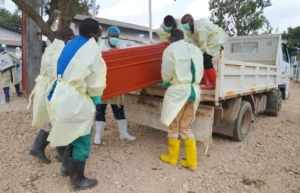
Health officials say protecting healthcare workers is essential to maintaining the response, particularly as medical teams continue treating patients, tracing contacts and carrying out community interventions in areas where Ebola transmission remains active.