
General News
Kwankwaso: Tinubu’s Subsidy Removal Put Nigeria In ‘Total Mess’

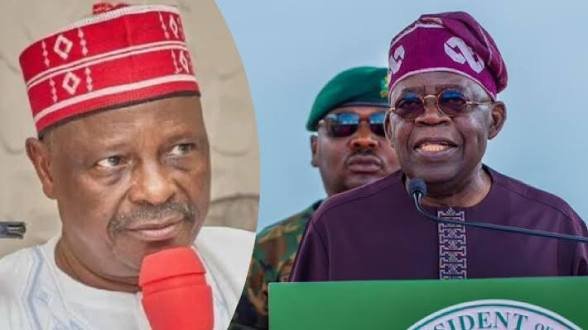
Former Kano State Governor and vice-presidential candidate of the Nigeria Democratic Congress (NDC), Rabiu Kwankwaso, has criticised President Bola Tinubu’s decision to remove the petrol subsidy, saying the policy has left Nigeria in what he described as a “total mess” economically.
Kwankwaso, who is the running mate to NDC presidential candidate Peter Obi in the 2027 election, made the remarks in an interview with ARISE Correspondent Adesuwa Giwa-Osagie.
He said the decision to remove the subsidy on Tinubu’s first day in office was a mistake, arguing that the consequences of the policy had continued to affect Nigerians through higher living costs.
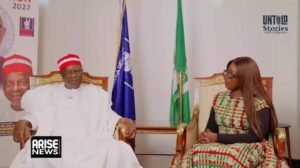
The former governor said an NDC administration would reintroduce a form of fuel subsidy if elected, although he stressed that it would not replicate the previous arrangement.
“We’ll bring back subsidy, but in our own way,” Kwankwaso said, adding that the party would do “whatever it takes” to reduce the price of petrol.
His position comes amid an ongoing political debate over whether government intervention should return to the downstream petroleum sector. The NDC proposal differs from the approach publicly outlined by Atiku Abubakar’s camp, which has advocated a targeted subsidy linked to domestic crude production and refining.
Kwankwaso also criticised former Vice-President Atiku Abubakar over his position on Nigeria’s refineries, alleging that an Atiku administration would sell the facilities to associates.
.
The allegation forms part of the broader policy contest among opposition figures ahead of the 2027 presidential election, with subsidy removal, domestic refining, fuel pricing and economic reforms emerging as major areas of disagreement. Recent reporting has also documented competing proposals from opposition camps on how petrol prices and refinery production should be managed.
Kwankwaso and Obi formally joined the NDC earlier this year and emerged as the party’s presidential and vice-presidential candidates for 2027.
The interview is expected to further fuel debate over the future of Nigeria’s petroleum subsidy policy and the economic alternatives being proposed by opposition parties ahead of the 2027 election.