
World News
Nvidia CEO’s Affair Could Have Far-Reaching Consequences for US-China Relations

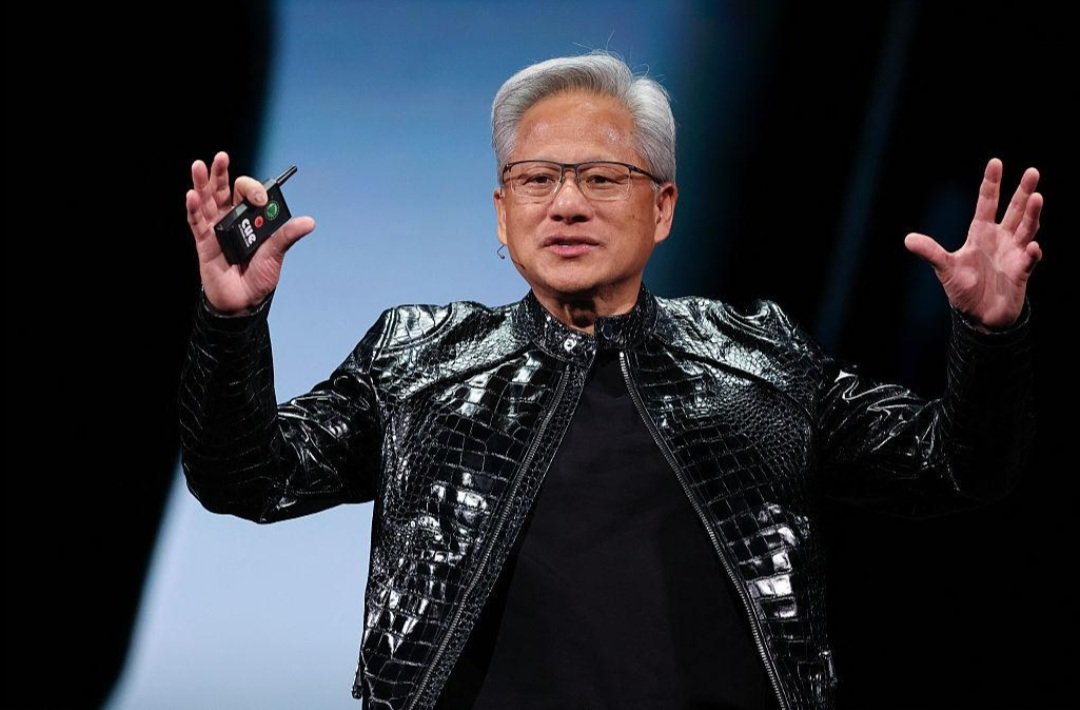
The controversy surrounding Nvidia Chief Executive Officer Jensen Huang’s admitted extramarital affair with a Chinese businesswoman suspected of spying for Beijing could have consequences extending beyond his personal life and the technology company, according to BBC Technology and AI Editor Zoe Kleinman.
In an analysis published on Monday, November 9, Kleinman warned that the scandal had brought together sensitive issues involving artificial intelligence, corporate influence, international espionage and the growing rivalry between the United States and China.
Huang, 63, acknowledged in a message to Nvidia employees that he had been unfaithful to his wife, apologising to his family and colleagues while accepting responsibility for his actions.
The admission followed reports linking him to Alice Huang, a Chinese businesswoman and former executive of Singapore-based technology company Megaspeed International, whom US intelligence officials reportedly believe was gathering information for Beijing.

The woman is not related to the Nvidia chief executive.
Nvidia’s board has since launched an independent investigation into whether Huang was targeted as part of a foreign intelligence operation.
Although the company said it had no reason to believe that its trade secrets or US national security information had been compromised, it pledged to examine all available information.
Kleinman’s analysis highlights why the allegations are particularly sensitive, given Nvidia’s position at the centre of the global artificial intelligence industry.
The California-based company manufactures advanced processors used to develop and operate AI systems, making it an important player in the technological competition between Washington and Beijing.
Huang has also developed close relationships with US political leaders, including President Donald Trump, and has repeatedly engaged with the administration over restrictions on the export of advanced semiconductor technology to China.
The BBC analysis raises questions about what information could potentially have been exposed through the relationship, particularly regarding US technology policy, government discussions and Nvidia’s commercial interests.
The controversy has also drawn attention to Megaspeed International, which has faced scrutiny over allegations that advanced Nvidia chips were diverted to Chinese companies in violation of US export restrictions.
Both Nvidia and Megaspeed have denied wrongdoing in relation to the alleged diversion of chips.

A separate report by Reuters on Tuesday, citing information from technology publication The Information, said a network of companies linked to Alice Huang allegedly facilitated at least $7.5 billion in Nvidia chip shipments to Chinese firms.
The report said the network was involved in obtaining approximately 240,000 advanced Nvidia processors, including H100 and H200 models, although the allegations have not been independently established.
The developments have intensified questions about the effectiveness of American restrictions designed to prevent sensitive semiconductor technology from reaching China.
The controversy has also reached financial markets. Nvidia shares fell by 4.3 per cent on Monday, wiping approximately $190 billion off the company’s market value, according to reports.
Meanwhile, analysts have warned that the allegations could increase pressure on Washington to introduce stricter controls on semiconductor exports and subject major technology companies to closer scrutiny.
The Associated Press reported that some analysts believe the affair could strengthen support in Congress for tougher restrictions on China’s access to advanced American technology.
China has rejected the espionage allegations, describing them as an attempt to smear the country.
Trump, meanwhile, has defended Huang, describing him as an honourable businessman and expressing belief in his explanation that he did not know the woman was allegedly involved in espionage.

For Nvidia, the challenge extends beyond the immediate controversy surrounding its chief executive. Huang remains central to the company’s leadership, commercial strategy and engagement with governments around the world.
The investigation will therefore be closely watched by investors, policymakers and technology industry stakeholders as questions persist over corporate security, foreign intelligence operations and the protection of critical artificial intelligence technology.