
Health
Kenya Court Rules US-Backed Ebola Quarantine Facility Violated Constitution

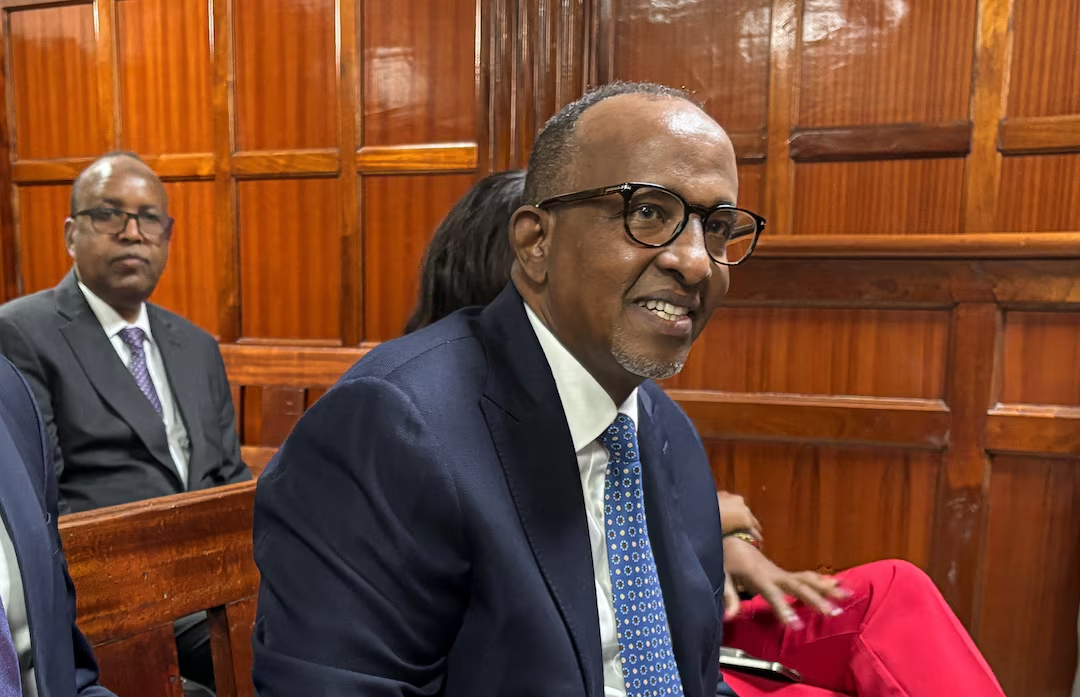
Kenya’s High Court has ruled that the government violated constitutional provisions by allowing the construction of a United States-backed Ebola quarantine facility without adequate public consultation and disclosure of relevant information.
The ruling, delivered on Thursday, November 26, by Justice Patricia Nyaundi, concerns a 50-bed facility at Laikipia Air Base near Nanyuki in central Kenya.
The court found that authorities failed to uphold constitutional requirements for transparency, accountability, public participation and access to information when they entered into an arrangement with the United States to establish the facility.
It subsequently ordered the government to disclose relevant agreements and documents relating to the project within 45 days. These include the terms of the arrangement with Washington, public health and environmental assessments, regulatory approvals and protocols governing the admission and treatment of people exposed to Ebola.
The court also prohibited further construction and the operationalisation of the facility until it is satisfied that the government has complied with its disclosure requirements.
The case was brought by the Law Society of Kenya and Katiba Institute, a constitutional rights organisation, which challenged the government’s handling of the project and raised concerns about public safety and the country’s capacity to manage a potential Ebola outbreak.
In its ruling, the court said residents of Laikipia County had been denied a meaningful opportunity to understand and participate in decisions affecting their community.
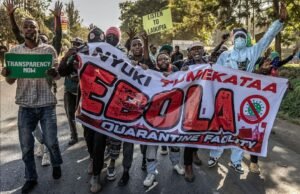
The proposed facility had generated strong opposition among local residents, who feared that bringing people exposed to Ebola into their area could increase the risk of infection. Protests against the project turned deadly, further intensifying public anger over the lack of transparency surrounding the arrangement.
The facility was intended to quarantine people exposed to Ebola, including American citizens. Seven US aid workers who had been involved in Ebola response activities in the Democratic Republic of Congo were quarantined at the Kenyan site in July.
US officials had previously indicated that Americans exposed to the virus abroad would be accommodated at the facility rather than flown back to the United States.
Kenyan President William Ruto said in June that he approved the arrangement following a request from US President Donald Trump, citing the two countries’ longstanding cooperation on health programmes.
Washington had also planned to commit $13.5 million towards Kenya’s wider Ebola preparedness efforts.
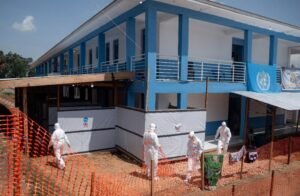
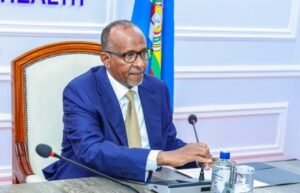
The project had already faced legal setbacks. In May, the High Court issued temporary orders suspending construction while the case was being considered. The court later found Health Minister Aden Duale in contempt over failure to comply with the earlier suspension orders. He subsequently told the court that he had directed an immediate halt to construction and related activities.
The Kenyan government has maintained that the facility was intended to strengthen public health preparedness and provide isolation arrangements for people exposed to the virus.
The latest ruling comes amid Kenya’s response to an outbreak of the Bundibugyo strain of Ebola. The country reported its first imported case in October after an infected traveller arrived from the Democratic Republic of Congo through Uganda.
By mid-November, Kenya had recorded two deaths and seven other cases, all of whom recovered. No new cases had been reported since October 19, with the country moving towards a possible declaration that the outbreak has ended.
The judgment does not prevent Kenya from cooperating with foreign governments on public health emergencies. Rather, it establishes that such arrangements must comply with constitutional requirements, including public participation and access to information.
The government had not immediately commented on the court’s latest decision.