
World News
Trump Holds Key as US-Iran Ceasefire Deal Reaches Draft Stage

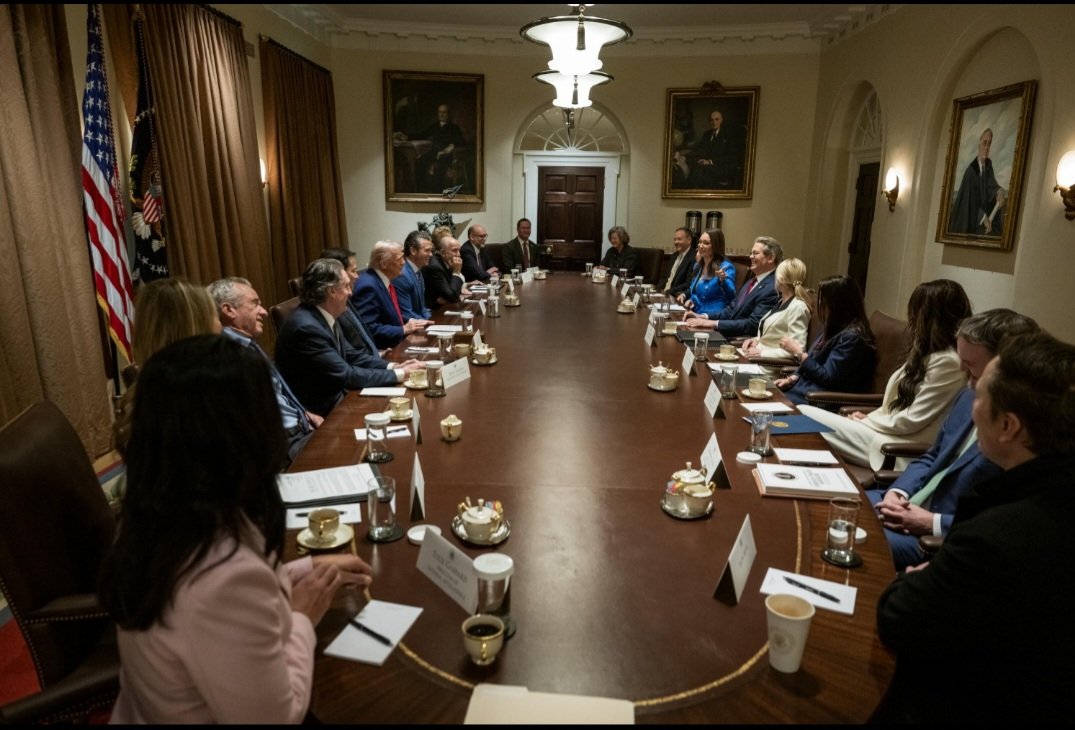
The United States and Iran have reached a tentative agreement aimed at extending their fragile ceasefire and opening a path toward broader negotiations, but the deal will only take effect if it is approved by U.S. President Donald Trump.
According to multiple reports citing U.S. officials involved in the talks, the emerging framework outlines a 60-day extension of the ceasefire, alongside plans to restart negotiations on Iran’s nuclear programme and regional security issues.
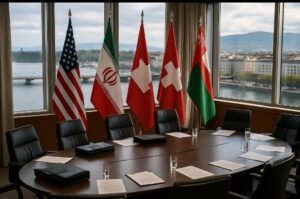
Negotiators from both sides are said to have largely agreed on the terms after several days of intensive discussions, marking what diplomats describe as the most significant progress since the conflict began.
However, officials stress that the memorandum of understanding is not final until Trump gives his formal approval.
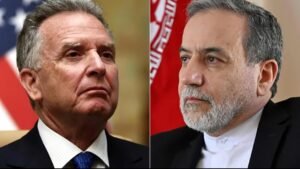
Sources say the U.S. president has been briefed on the proposal and is expected to make a decision after reviewing the terms, with no immediate sign-off yet confirmed.
The proposed framework reportedly includes provisions to reduce tensions in the Strait of Hormuz, a critical global oil shipping route, alongside commitments to restart talks on Iran’s nuclear programme.
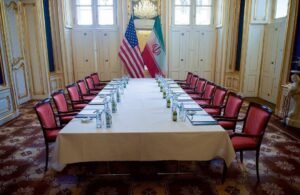
Key elements under discussion include sanctions relief, maritime security guarantees, and steps toward de-escalation following months of military exchanges in the region.
The breakthrough comes after weeks of rising tensions, including strikes, counterstrikes, and accusations of ceasefire violations between both sides.
Despite the tentative progress, analysts warn the situation remains highly unstable, with military operations and diplomatic negotiations continuing in parallel.
Even with a draft agreement in place, major obstacles remain, particularly around nuclear restrictions and enforcement mechanisms.
For now, the deal hangs on a single decision in Washington; one that could determine whether the conflict moves toward de-escalation or returns to open confrontation.