
World News
Analysts Warn New US-Iran Deal Could Be ‘As Useless as the Last’

Growing skepticism is emerging around the proposed new agreement between the United States and Iran, with analysts warning that any breakthrough could ultimately prove “as useless as the last” if deeper issues remain unresolved.


The criticism comes as Washington and Tehran move closer to a tentative ceasefire and nuclear framework deal aimed at reopening the Strait of Hormuz and reducing regional tensions.
Despite optimism in financial markets and diplomatic circles, experts argue the proposed agreement risks repeating the same weaknesses that undermined previous nuclear arrangements between the two countries.
A Reuters Breakingviews analysis warned that even if a deal is finalized, it may fail to restore stability in oil markets or solve broader geopolitical disputes involving Iran’s nuclear ambitions, regional influence, and maritime security.
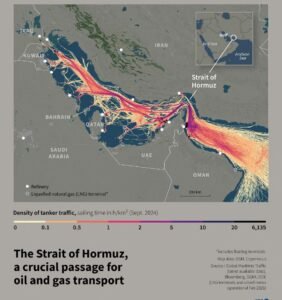
Analysts say tanker traffic through the Strait of Hormuz remains far below normal levels, with insurers and shipping companies still reluctant to fully resume operations because of security fears.
The Strait of Hormuz; one of the world’s most critical oil shipping routes, has become central to negotiations between both countries.
Although reports suggest the draft framework could reopen shipping lanes and ease global energy pressure, economists warn that rebuilding confidence in Gulf shipping could take months even after any ceasefire agreement.
Some analysts also fear that the agreement focuses too heavily on short-term market stability rather than resolving the deeper strategic conflict between Washington and Tehran.
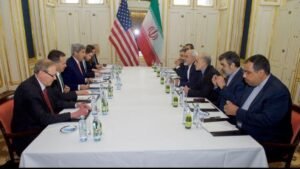
The debate has revived comparisons with the 2015 nuclear deal, formally known as the Joint Comprehensive Plan of Action (JCPOA), which the U.S. later abandoned during Trump’s first presidency.
Critics argue that previous agreements temporarily slowed tensions but failed to permanently resolve disputes over uranium enrichment, missile programmes, sanctions, and Iran’s regional alliances.
Some foreign policy observers now worry that negotiators may again prioritize a quick diplomatic victory over a durable long-term solution.
Complicating matters further, Iranian officials have publicly denied that a final agreement has been reached, contradicting statements from some U.S. officials and media reports suggesting negotiations are nearing completion.
President Donald Trump has also reportedly demanded that Iran surrender or destroy enriched uranium stockpiles before approving any final agreement.
Meanwhile, hardliners in both countries continue to oppose concessions, raising questions about whether any framework can survive politically.
For now, the proposed agreement remains tentative, with diplomats still negotiating technical details and enforcement mechanisms.
Analysts say the real test will not be whether a deal is signed, but whether it can actually prevent another cycle of military escalation in the Middle East.