
World News
Hezbollah Rejects Lebanon Ceasefire, Casting Doubt on Efforts to End Wider Iran Conflict

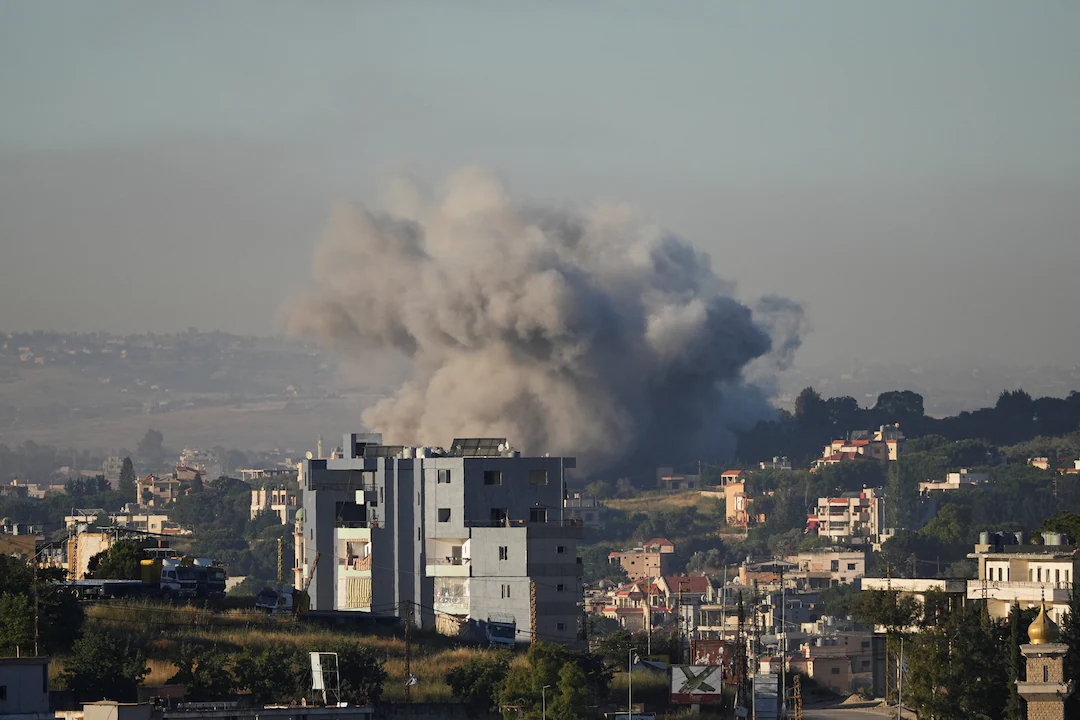
A fragile U.S.-brokered ceasefire initiative between Israel and Lebanon has been thrown into uncertainty after Hezbollah rejected the proposed agreement, raising fresh concerns about the prospects for ending the broader regional conflict involving Iran.
The ceasefire framework, negotiated with U.S. mediation and endorsed by the Lebanese and Israeli governments, called for Hezbollah to halt attacks and withdraw its fighters from areas near the Israeli border while the Lebanese Armed Forces assumed greater control in southern Lebanon. However, Hezbollah, which was not directly involved in the negotiations, dismissed the deal and insisted that any truce must include a full Israeli military withdrawal from Lebanese territory.
Israel has also signaled that it is not prepared to withdraw its forces from southern Lebanon immediately and has continued military operations against Hezbollah positions. Israeli officials argue that maintaining pressure on the Iran-backed group is necessary to prevent future attacks.
The breakdown in ceasefire momentum complicates broader diplomatic efforts between Washington and Tehran. Iran has repeatedly stated that a lasting ceasefire in Lebanon is a prerequisite for any wider agreement aimed at reducing regional tensions. Iranian officials have warned that continued Israeli military action in Lebanon could derail ongoing diplomatic contacts and potentially draw Tehran more directly into the conflict.
The conflict has already inflicted a heavy humanitarian toll. According to international agencies, thousands have been killed in Lebanon since fighting intensified earlier this year, while more than a million people have been displaced. The United Nations has expanded its humanitarian appeal, citing worsening food insecurity, damage to infrastructure, and mounting civilian needs.
U.S. President Donald Trump has continued to push for de-escalation, viewing a Lebanon ceasefire as a potential pathway toward broader negotiations with Iran. However, Hezbollah’s rejection of the proposal and Israel’s refusal to commit to a full withdrawal have highlighted the significant obstacles that remain before any lasting regional peace can be achieved.