
World News
Khamenei Says Assurances on Iran’s Rights Led Him to Approve US MoU

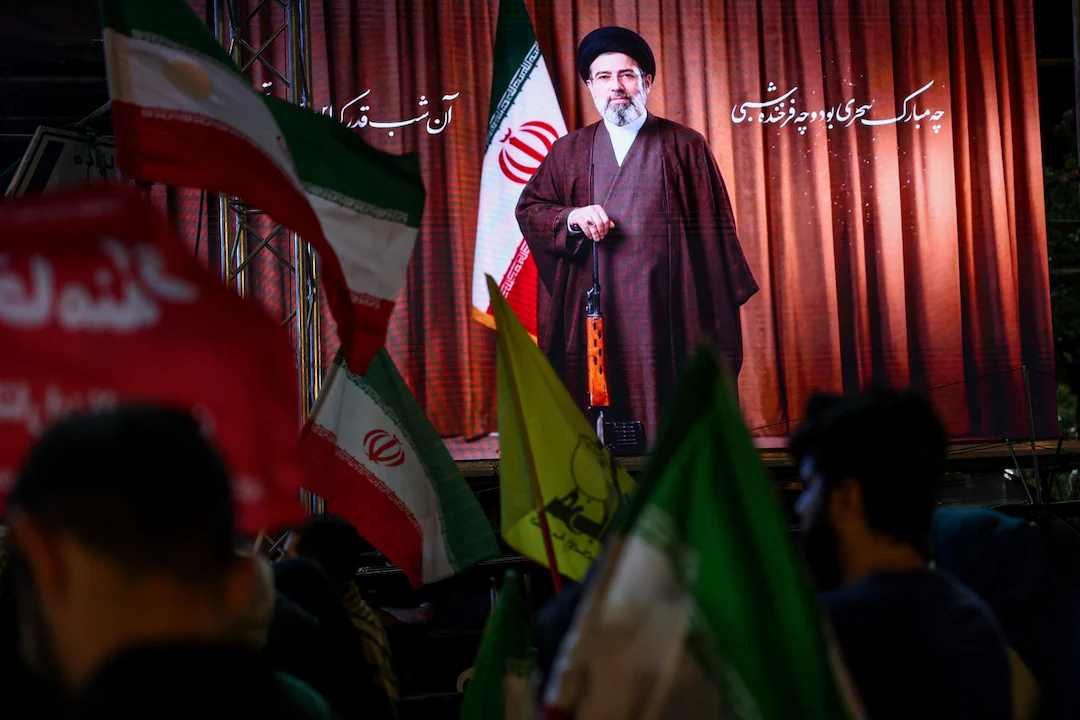
Iran’s Supreme Leader, Mojtaba Khamenei, has revealed that he approved the recently signed memorandum of understanding (MoU) between Iran and the United States despite having reservations about the agreement, saying he did so after receiving assurances that Iran’s national rights and interests would be protected.

In a written message to the Iranian public, Khamenei said he was not fully convinced by the deal but ultimately authorized it after receiving guarantees from Iranian President Masoud Pezeshkian and senior government officials. According to Khamenei, the assurances included commitments that Iran’s sovereignty, strategic interests, and support for allied regional groups would not be compromised.
The statement marks Khamenei’s first public reaction to the agreement reached between Tehran and Washington following months of conflict and negotiations. The accord is intended to halt hostilities, reopen maritime routes in the Gulf region, and create a framework for broader negotiations over the next 60 days.
Khamenei emphasized that approval of the MoU should not be interpreted as an endorsement of U.S. policies or positions. He stressed that any future direct engagement with Washington would be conducted solely in pursuit of Iran’s interests and would not represent a change in the Islamic Republic’s broader stance toward the United States.
Under the interim agreement, both countries have committed to ending military operations and reducing tensions in the Gulf. The deal also includes provisions aimed at restoring commercial shipping through the Strait of Hormuz and beginning discussions on longer-term issues, including sanctions relief and Iran’s nuclear program.
The White House has already transmitted the text of the agreement to the U.S. Congress. Officials in Washington have described the MoU as a major step toward ending months of conflict that disrupted regional stability and global energy markets.

Iranian officials have maintained that any final agreement must preserve the country’s rights under international law and ensure that economic benefits, including access to frozen assets and sanctions relief, are delivered as promised. Tehran has also insisted that future negotiations will be based on mutual respect and recognition of Iranian sovereignty.
Analysts say Khamenei’s endorsement is significant because no major agreement involving the United States can move forward without the approval of Iran’s supreme leadership. His comments are likely intended to reassure domestic audiences that the government has not conceded core national interests while also signaling support for continued diplomacy.
Despite the breakthrough, several contentious issues remain unresolved, including the future of Iran’s nuclear activities, the implementation of sanctions relief, and the mechanisms that will be used to verify compliance with the agreement. Negotiators from both countries are expected to continue discussions in the coming weeks.
For now, Khamenei’s conditional approval provides the strongest indication yet that Iran’s leadership is prepared to pursue diplomatic engagement with Washington, provided the country’s strategic interests remain protected.