
Health
DR Congo Bans Mass Gatherings in Kinshasa as Ebola Outbreak Worsens

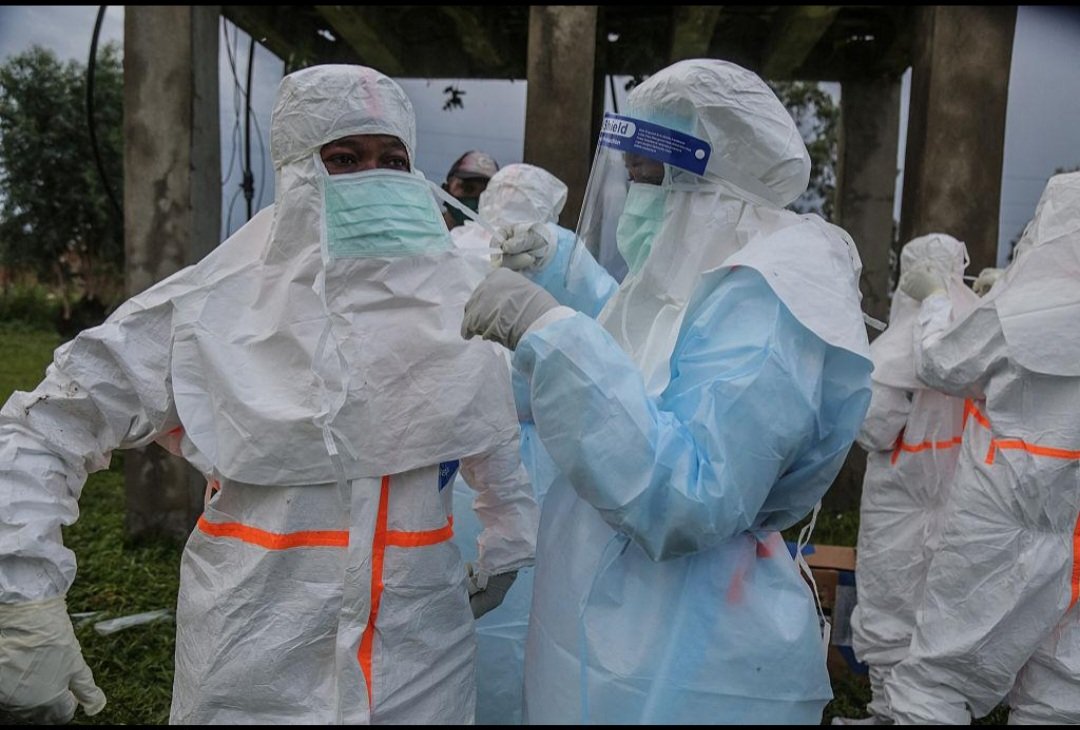
The government of the Democratic Republic of the Congo (DRC) has banned mass gatherings in the capital, Kinshasa, and three other provinces as authorities step up efforts to contain a rapidly spreading Ebola outbreak that has already claimed hundreds of lives.
The directive, issued by Interior Minister Jacquemain Shabani, prohibits political rallies, public marches, demonstrations and other events that attract large crowds in Kinshasa, Tshopo, Haut-Uele, and Bas-Uele provinces. Officials said the restrictions are intended to reduce the risk of the deadly virus spreading into areas that have not yet recorded infections.
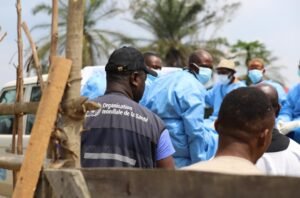
The latest government figures indicate that the outbreak has grown significantly since it was first declared in May. Health authorities reported more than 1,270 confirmed Ebola cases and around 360 deaths, with the epicenter remaining in the eastern provinces of Ituri, North Kivu, and South Kivu. The outbreak is caused by the Bundibugyo strain of the Ebola virus, for which there is currently no approved vaccine or specific treatment.
The World Health Organization (WHO) has classified the outbreak as a serious regional public health threat, warning that ongoing population movement and insecurity in eastern Congo increase the risk of further transmission to neighboring countries. Uganda has already reported imported cases linked to the outbreak, prompting enhanced surveillance along the border.
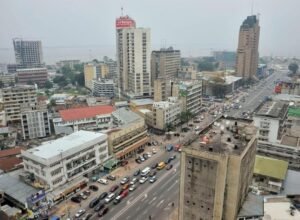
Officials said banning mass gatherings forms part of a broader package of measures designed to slow transmission before the virus reaches densely populated urban centers.
The government has already introduced mandatory 21-day monitoring and quarantine measures for travelers arriving from Ebola-affected areas and previously suspended sporting and other social activities in the outbreak’s epicenter. Provincial authorities have also been instructed to intensify health surveillance, immediately isolate suspected cases, and submit daily reports on any individuals showing Ebola symptoms.
Health experts note that limiting large gatherings can reduce opportunities for person-to-person transmission, particularly in crowded cities where infectious diseases can spread rapidly.
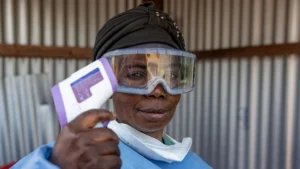
Despite the government’s public health justification, opposition parties have criticized the restrictions, arguing they may also have political implications.
The ban comes just days before a planned opposition protest against proposed constitutional reforms. Opposition leaders described the decision as “politically motivated” and claimed the government is using the Ebola outbreak to restrict public demonstrations. Authorities have rejected those accusations, insisting the measures are based solely on protecting public health.
Containing the outbreak has proven especially difficult in eastern Congo, where armed conflict, displacement and community distrust continue to hamper response efforts.
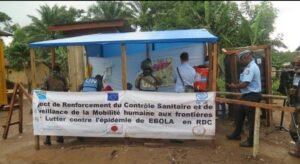
Medical teams have struggled to trace contacts of infected patients in some communities after facing resistance from local residents. Public health officials warn that these obstacles make it harder to isolate new cases quickly and interrupt chains of transmission.
The WHO and humanitarian organizations continue to support Congolese health authorities by providing treatment centers, laboratory testing, protective equipment and contact-tracing teams. However, experts caution that the absence of an approved vaccine for the Bundibugyo strain makes early detection and strict public health measures even more critical.
Neighboring countries remain on high alert as they strengthen border screening and preparedness plans to prevent cross-border transmission.
Uganda has intensified surveillance and public health campaigns after confirming imported Ebola cases linked to the DRC outbreak, while other African nations are reviewing emergency response plans. International health agencies continue to stress that rapid detection, community cooperation and coordinated regional action will be essential to bringing the outbreak under control.
As the outbreak continues to expand, Congolese authorities say the temporary restrictions on public gatherings are necessary to protect lives and prevent the virus from reaching one of Africa’s largest urban populations. However, with political tensions also rising, the measures are likely to remain the subject of intense public debate in the weeks ahead.