
World News
Trump Administration Bans New Chinese Humanoid Robots to Safeguard US AI Industry

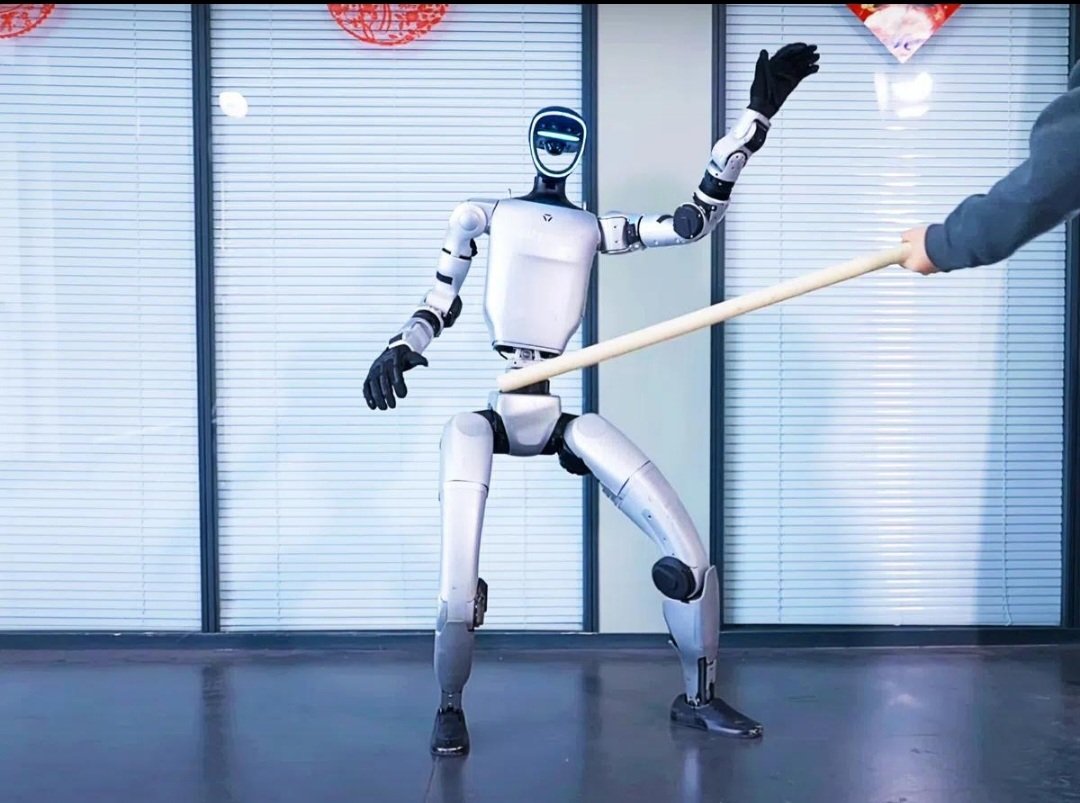
The administration of U.S. President Donald Trump has announced sweeping new restrictions on the import of new Chinese-made humanoid robots, saying the move is necessary to protect America’s rapidly expanding artificial intelligence infrastructure from potential cybersecurity threats and reduce dependence on Chinese technology. The restrictions, unveiled by the U.S. Federal Communications Commission (FCC), also cover certain Chinese-made network-connected power inverters used in energy systems and AI data centres.


According to U.S. officials, the new rules are aimed at preventing technologies considered critical to the future of AI from becoming vulnerable to espionage, cyberattacks or foreign interference. The administration argues that advanced robots equipped with cameras, sensors, wireless connectivity and AI capabilities could potentially collect sensitive information or be exploited by hostile actors if deployed widely in American homes, factories or research facilities.
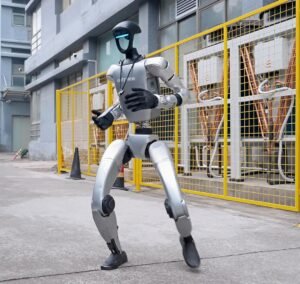
The measures primarily affect new models of humanoid and quadruped robots that have not yet been approved for sale in the United States. However, the FCC said it retains the authority to review or revoke authorisations for previously approved products if they are later deemed to pose unacceptable national security risks. Existing robots already in use are not immediately affected, though manufacturers may be required to meet future regulatory requirements.
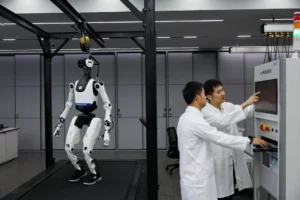
One of the companies expected to be most affected is Unitree Robotics, one of China’s leading producers of humanoid and quadruped robots. The company has gained international attention for producing relatively affordable robotic platforms used in research, education and industrial development. U.S. officials noted that Unitree has previously been identified by the Pentagon as a company with alleged links to China’s military, an allegation the company and Beijing have denied.
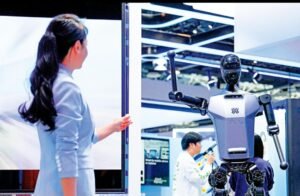
The administration says the restrictions are part of a broader strategy to strengthen domestic manufacturing and secure supply chains for emerging technologies. Officials compared the initiative to previous actions targeting Chinese telecommunications equipment, surveillance cameras and drones, arguing that early intervention is necessary to prevent strategic dependence on foreign technology in sectors expected to drive future economic growth.
China reacted sharply to the announcement, with its Foreign Ministry urging Washington to abandon what it described as the politicisation of trade and technology. Beijing warned that the restrictions could damage commercial relations and said it reserved the right to respond if the interests of Chinese companies were harmed.
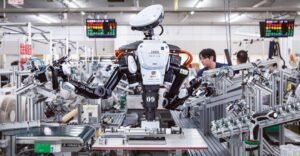
The decision comes amid an intensifying technological rivalry between the world’s two largest economies. Washington has imposed a series of restrictions on Chinese firms in recent years, including export controls on advanced semiconductors, tighter investment screening and limits on telecommunications equipment. The latest measures extend that strategy into the rapidly growing field of robotics, which many analysts see as a key pillar of future AI-driven industries.
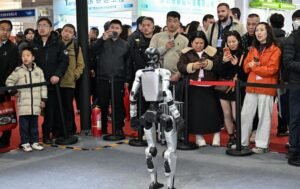
Industry experts remain divided over the long-term impact. Supporters argue the ban will help protect critical infrastructure and encourage investment in U.S.-based robotics companies. Critics, however, warn that it could increase costs for researchers and businesses that rely on affordable Chinese robotic platforms, potentially slowing innovation in some sectors. Even so, the move underscores Washington’s determination to secure what it considers strategic technologies as competition with China over artificial intelligence and advanced manufacturing continues to intensify.