
World News
Trump Receives Conflicting Advice as He Seeks an Exit From the Iran War

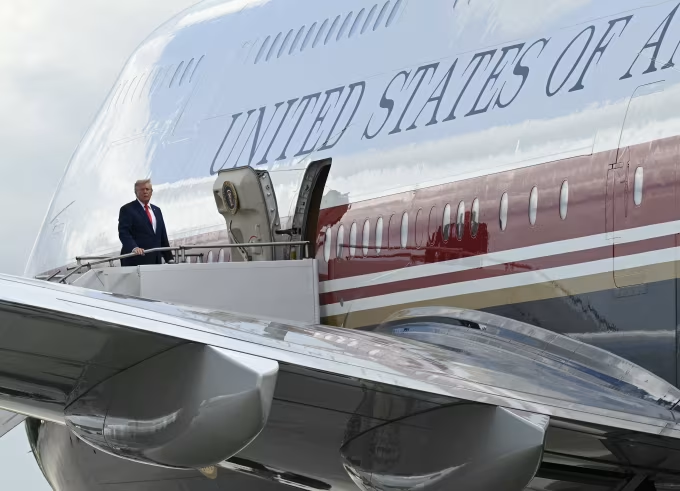
U.S. President Donald Trump is facing increasingly conflicting advice from allies, senior White House officials and foreign leaders as he looks for a path out of the escalating conflict with Iran, highlighting the growing complexity of a war that has become one of the defining challenges of his presidency.


According to officials familiar with internal discussions, Trump is under pressure from competing factions inside and outside his administration. Some advisers are urging him to pursue diplomacy and bring the conflict to a close before it inflicts further political and economic damage, while others argue that now is the time to intensify military pressure on Tehran to secure a decisive strategic victory.
One of the strongest calls for restraint has reportedly come from Saudi Arabia.
This week, Saudi Defence Minister Prince Khalid bin Salman travelled to Washington to deliver a message from Crown Prince Mohammed bin Salman, warning that prolonging the war could destabilize the Middle East further, threaten global energy markets and increase risks to regional allies.
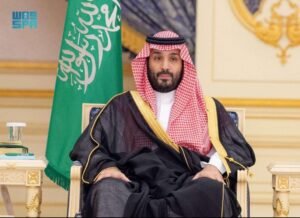
Saudi officials are said to have encouraged the White House to prioritize diplomacy, arguing that an extended conflict could damage economic stability and undermine regional security.
The Saudi message contrasted sharply with advice coming from Israel.
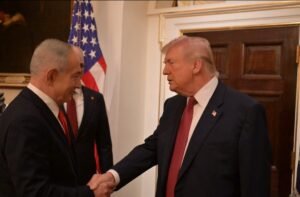
During separate meetings in Washington, Israeli Prime Minister Benjamin Netanyahu reportedly expressed skepticism that negotiations with Iran would succeed and instead discussed options for increasing pressure on Tehran, including the possibility of renewed large-scale military operations.
Israeli officials continue to argue that Iran’s military capabilities and nuclear ambitions remain a serious threat and should be further degraded before any lasting agreement is considered.
Inside the White House, officials are also divided over the administration’s next steps.
Political and economic advisers have reportedly warned Trump that the war is becoming increasingly unpopular with American voters. They point to rising oil prices, higher gasoline costs and growing public concern over the possibility of a prolonged military conflict.
Meanwhile, national security officials and foreign policy hawks argue that easing military pressure now could allow Iran to regroup and strengthen its regional influence. They contend that sustained operations would increase the likelihood of forcing Tehran into a more favorable negotiating position.

The president himself has delivered a series of sometimes contradictory public messages.
In recent days, Trump has alternated between emphasizing diplomacy and threatening further military action. He has said the United States is engaged in discussions with Iran and prefers a negotiated settlement, while also warning that American forces are “locked and loaded” and prepared to launch additional strikes if necessary.
On Friday, Trump again warned that Iran could be hit “very hard” if attacks on U.S. personnel and commercial shipping continue, even as he insisted negotiations remain possible.
The conflict is also creating significant domestic political challenges for Trump.
The president campaigned on promises to avoid prolonged foreign wars, and critics argue that the Iran conflict risks becoming another costly military engagement. Rising fuel prices and concerns about inflation have increased pressure on the administration to demonstrate a credible strategy for ending hostilities.

Some Republican allies have urged Trump to declare that key military objectives have already been achieved and pivot toward diplomacy, while Democrats continue to question the administration’s overall strategy and long-term goals.
Despite ongoing military operations, diplomatic channels remain open.
Trump has repeatedly stated that U.S. officials are in contact with Iranian representatives, although he has acknowledged that Tehran is not yet ready to finalize an agreement. Iran has likewise indicated that it remains willing to discuss an end to the conflict under certain conditions but continues to insist that it will respond to further attacks.
Meanwhile, efforts to secure broader regional stability continue alongside negotiations over Gaza, where the United States is also attempting to broker an agreement involving the disarmament of Hamas and an Israeli military withdrawal. Analysts say developments in both conflicts are increasingly interconnected.
For now, Trump faces a difficult balancing act: responding to security concerns and the demands of key allies while avoiding a prolonged conflict that could carry significant military, diplomatic and political costs.
Whether the administration ultimately pursues renewed military escalation or succeeds in reaching a negotiated settlement with Iran is likely to shape not only the future of the conflict but also the broader strategic landscape of the Middle East and the political fortunes of Trump’s presidency.