
International
Death Toll in Ceuta Migrant Rush Rises to 72 as More Bodies Recovered

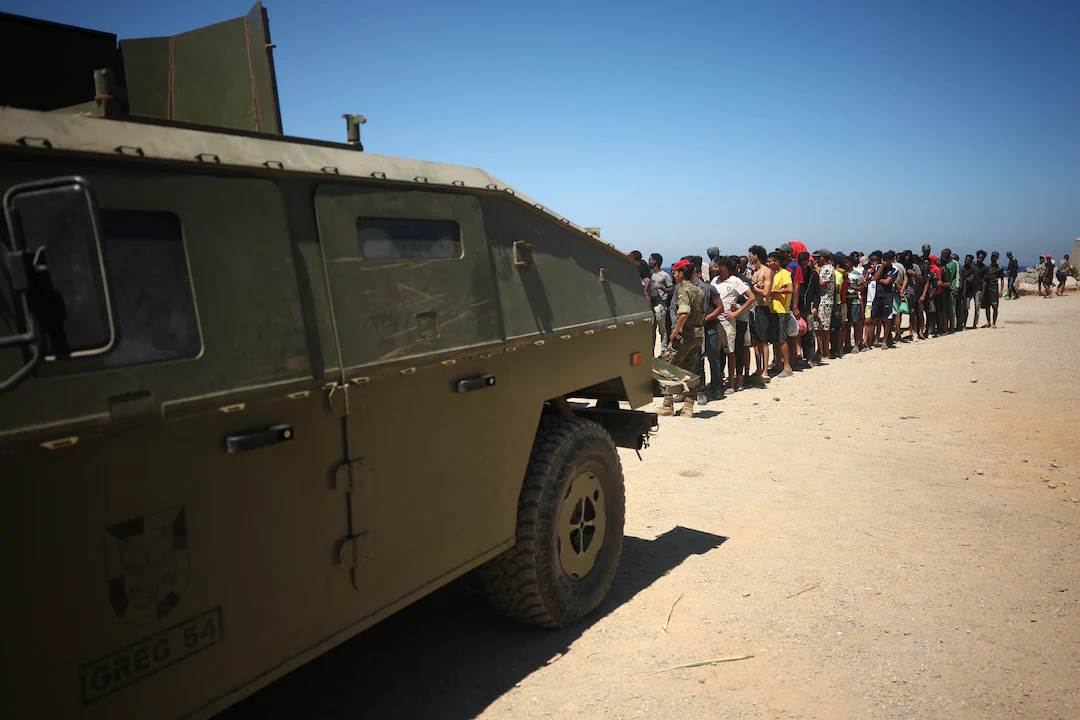
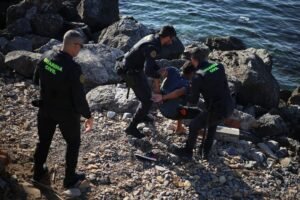
The death toll from the unprecedented mass migration into Spain’s North African enclave of Ceuta has risen to 72, after authorities recovered five more bodies along the coastline, deepening one of the deadliest migration tragedies on Europe’s borders in recent years.
The humanitarian crisis began last Thursday when an estimated 50,000 to 60,000 migrants, most of them from Morocco and sub-Saharan African countries, crossed or attempted to cross into Ceuta by swimming around border barriers, climbing fences, or entering through land crossings. While the majority have since returned to Morocco, many perished during the chaotic rush, with victims reported to have drowned or been crushed in the crowd. More than 1,000 people required medical treatment in the aftermath of the mass crossing.

Spanish officials said search teams continue to patrol the coastline as tides bring more bodies ashore. According to Ceuta authorities, the city’s morgue has received 88 bodies, a figure that includes victims from earlier migration attempts in recent weeks, while Moroccan authorities are also recovering bodies from the sea on their side of the border.
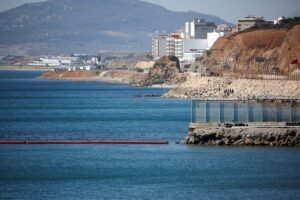
The tragedy has prompted Spain to reinforce security around Ceuta. Thousands of police officers and military personnel remain deployed across the enclave, while authorities have installed a 500-metre floating sea barrier near the Tarajal border area to discourage further dangerous sea crossings and strengthen border surveillance.
Spanish Prime Minister Pedro Sánchez has defended his government’s response, rejecting claims that Spain’s migration policies encouraged the mass influx. Officials stressed that migrants who enter Ceuta irregularly cannot automatically travel to mainland Spain or other parts of the Schengen Area, despite widespread misinformation circulating on social media before the crossing.
The crisis has also intensified political debate across Europe. More than 20 European Union member states have reportedly called for stronger coordination on external border protection, while humanitarian organisations have urged both Spain and Morocco to investigate the deaths, improve search-and-rescue efforts, and ensure the protection of vulnerable migrants seeking asylum.
For many of those who attempted the crossing, the journey was driven by economic hardship, unemployment and hopes of reaching mainland Europe. Although tens of thousands have now returned to Morocco, aid agencies warn that many remain stranded around Ceuta with uncertain futures, highlighting the continuing humanitarian and political challenges surrounding migration at one of the European Union’s most sensitive external borders.