
International
US Reportedly Depletes Nearly 80% of Key Missile Defense Interceptors Amid Iran Conflict

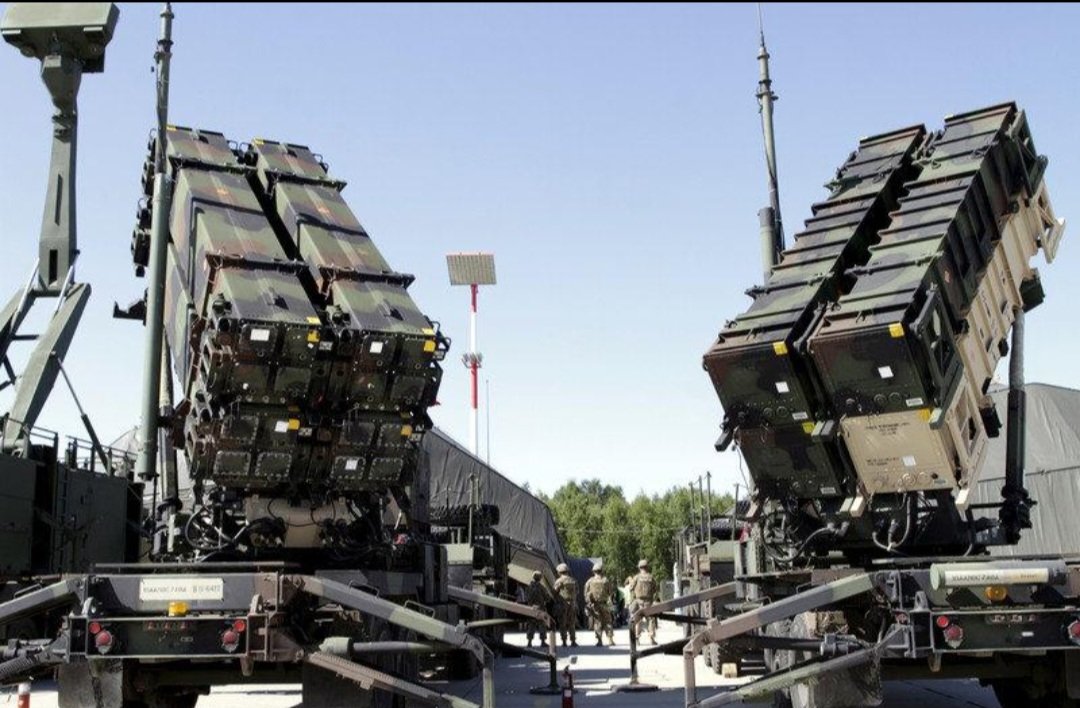
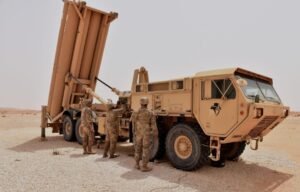
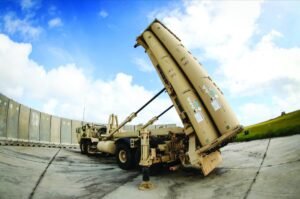
The United States has reportedly exhausted nearly 80 percent of its stockpile of interceptors for its Terminal High Altitude Area Defense (THAAD) system, raising fresh concerns about the country’s ability to respond to future military crises while maintaining ongoing operations against Iran.
According to multiple sources familiar with internal Pentagon assessments, the prolonged conflict with Iran has significantly reduced inventories of some of America’s most advanced missile defense systems. The THAAD system, designed to intercept short-, medium- and intermediate-range ballistic missiles during the final phase of their flight, has been heavily deployed to protect U.S. forces and strategic facilities from repeated Iranian missile attacks.
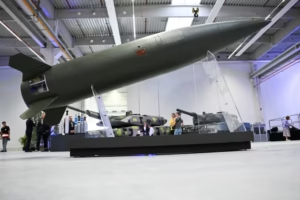
Sources said the U.S. military has consumed nearly four-fifths of its pre-war THAAD interceptor inventory, while roughly half of its Patriot missile interceptors have also been used since the conflict began. The extensive use of these systems has prompted senior military commanders to warn that key munitions stockpiles are becoming dangerously low.
The reported depletion extends beyond missile defense. Officials familiar with the assessments said the United States has also used virtually all of its long-range Army Tactical Missile Systems (ATACMS) and Precision Strike Missiles (PrSM), in addition to about half of its Tomahawk cruise missile inventory during operations against Iran.
Military analysts say the development could affect U.S. readiness should another major conflict emerge, particularly in regions such as the Indo-Pacific or Europe. They argue that advanced interceptors like THAAD and Patriot require sophisticated manufacturing processes and cannot be replaced quickly, making replenishment a long-term challenge.
The Washington-based Center for Strategic and International Studies (CSIS) has similarly warned that continued military operations could further reduce interceptor inventories, forcing the United States to make difficult operational decisions about where and when to deploy its limited missile defense resources.
Despite the reported shortages, the Pentagon has maintained that the U.S. military remains fully capable of carrying out its missions worldwide. President Donald Trump has also insisted that the United States retains sufficient military strength while promising to accelerate weapons production to rebuild depleted stockpiles.
The revelations have intensified debate in Washington over the sustainability of prolonged military campaigns and whether current production rates are adequate to replenish sophisticated missile systems fast enough to meet future security demands. Defence experts warn that rebuilding inventories of advanced interceptors could take years, even with increased funding and expanded manufacturing capacity.