International
Starmer Admits Error Over Mandelson Appointment, Refuses to Step Down

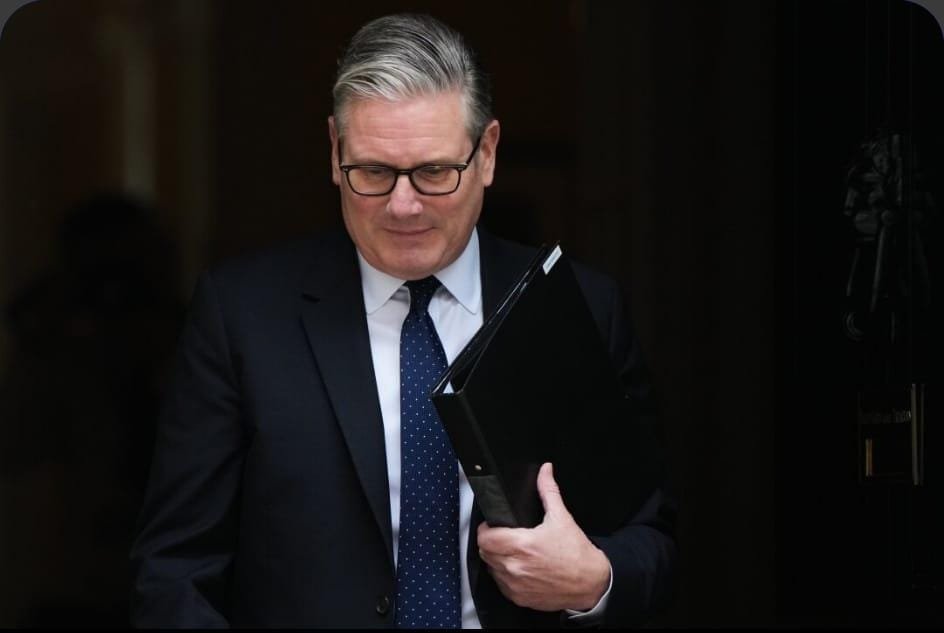
British Prime Minister Keir Starmer has admitted that appointing veteran politician Peter Mandelson as a UK ambassador was a mistake but has firmly resisted growing calls for his resignation.
The admission follows days of intense criticism from opposition lawmakers and members of the public, who questioned the judgment behind Mandelson’s appointment.
Critics argued that the decision risked undermining public confidence in the government, given Mandelson’s long and sometimes controversial political history.
Speaking amid mounting pressure, Starmer acknowledged that the appointment had not gone as intended, describing it as an error in judgment. However, he rejected demands to step down, insisting that his government remains focused on delivering its broader agenda and maintaining stability.
“I take responsibility for the decision,” Starmer stated, while emphasizing that leadership also involves correcting mistakes rather than abandoning office at the first sign of controversy.
The controversy has sparked heated debate across the UK political landscape. Opposition figures have seized on the issue, portraying it as evidence of poor decision-making at the highest level of government.
Some lawmakers have called for greater transparency in senior diplomatic appointments, arguing that such roles should be insulated from political missteps.
Supporters of the Prime Minister, however, have urged restraint, noting that acknowledging an error publicly demonstrates accountability.
They argue that calls for resignation may be premature, especially as the government continues to navigate key domestic and international challenges.
The situation has also reignited discussions about political appointments and the balance between experience and public perception.
Mandelson, a seasoned figure in British politics, has held several high-profile roles in the past, making his selection both notable and contentious.
As the debate continues, the incident underscores the fragile nature of political capital in the UK, where public trust and leadership credibility remain under constant scrutiny.
Whether the controversy will have lasting political consequences for Starmer’s administration remains to be seen.