
World News
Trump Confirms Signing of U.S.-Iran Deal, Details Expected This Week

U.S. President Donald Trump has announced that a peace agreement between the United States and Iran has already been signed, with the full text of the accord expected to be released in the coming days. The announcement marks the latest development in efforts to end months of conflict and restore stability in the Gulf region.

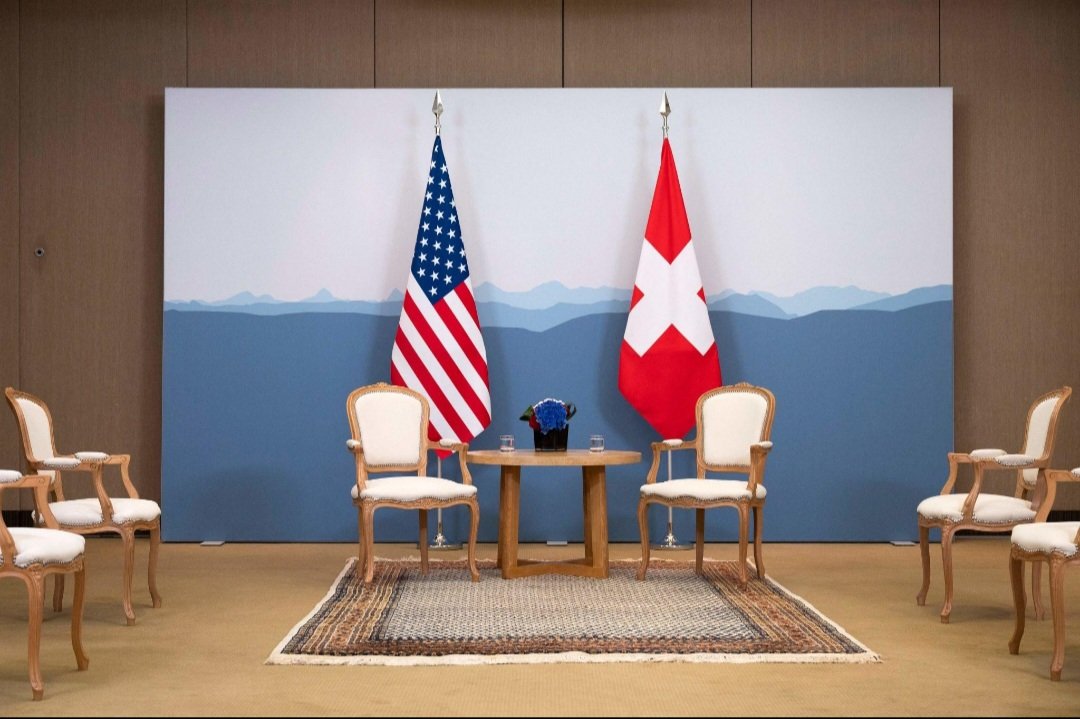
Speaking alongside Emmanuel Macron ahead of the G7 summit in France, Trump said the agreement had been completed and that a formal signing ceremony would take place later this week in Geneva, Switzerland. He described the accord as a memorandum of understanding and indicated that its contents would likely become public shortly after the ceremonial event.
According to U.S. Vice President JD Vance, the agreement was digitally signed on Sunday. Vance said the arrangement is designed to halt hostilities and reopen the strategic Strait of Hormuz, one of the world’s most important oil shipping routes.
A U.S. official familiar with the negotiations confirmed that the memorandum had already been signed electronically by representatives of both sides. The agreement reportedly includes a 60-day ceasefire period during which negotiators will continue discussions on more complex issues, including Iran’s nuclear program and broader regional security concerns.
Trump stated that sanctions relief for Iran would depend on the country’s compliance with the terms of the agreement. Vance also emphasized that no money or frozen assets would be transferred to Iran simply for signing the deal, saying any future economic benefits would be tied to verified actions by Tehran regarding its nuclear activities.
One of the central elements of the framework is the reopening of the Strait of Hormuz. Trump said commercial shipping was already beginning to move through the waterway, though technical discussions on long-term access and security arrangements remain ongoing.
Despite the breakthrough, several important issues remain unresolved. Negotiators are expected to continue discussions over Iran’s stockpile of enriched uranium, the future of international inspections, and the sequence of sanctions relief measures. Iranian officials have previously indicated that some aspects of the agreement still require further clarification.
The announcement was welcomed by financial markets, with oil prices falling as investors anticipated a reduction in tensions and a normalization of shipping through the Gulf. However, reactions elsewhere have been mixed, particularly in Israel, where officials have voiced concerns about aspects of the deal and its implications for regional security.
As the world awaits the release of the full agreement, attention is now turning to the formal signing ceremony in Switzerland and the implementation phase that will determine whether the accord can deliver a lasting peace between Washington and Tehran.