
World News
U.S.-Brokered Israel-Lebanon Ceasefire Boosts Prospects for Wider Middle East Peace

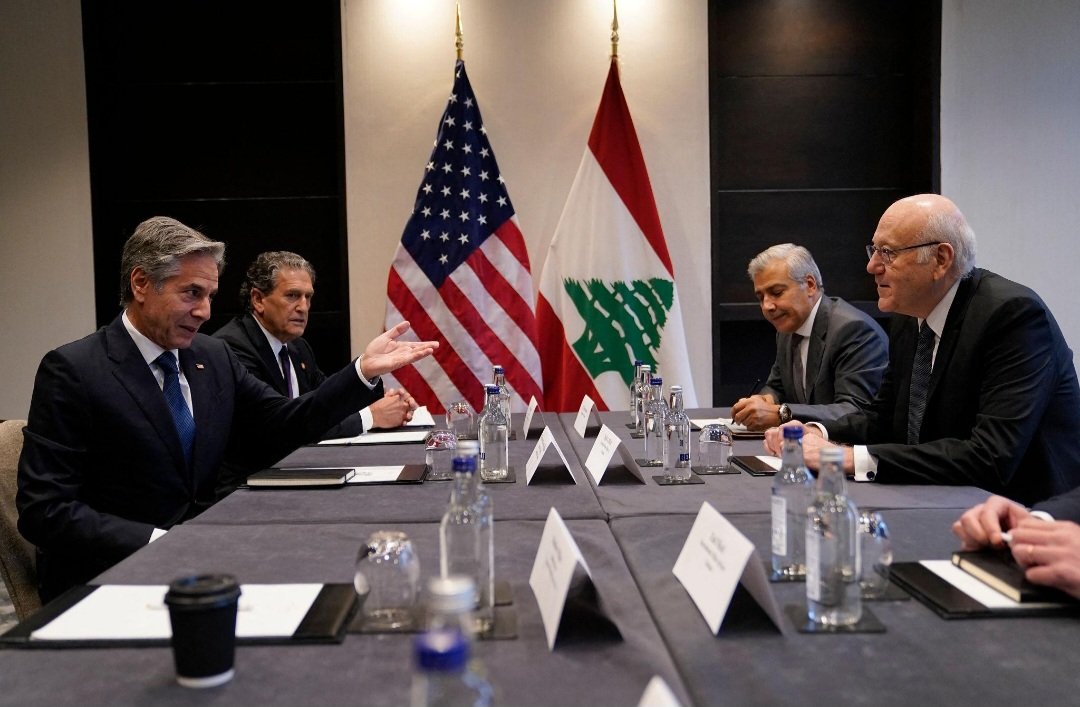
Israel and Lebanon have agreed to implement a ceasefire following U.S.-mediated negotiations in Washington, a development that is being viewed as a significant step toward easing tensions across the Middle East and advancing ongoing talks involving Iran.
The agreement, announced in a joint statement by the United States, Israel and Lebanon, is aimed at ending months of hostilities linked to the broader conflict involving Iran and its regional allies.
According to the terms of the deal, the ceasefire is contingent upon a complete halt to hostilities by the Iran-backed Hezbollah movement and the withdrawal of its fighters from areas south of the Litani River in southern Lebanon. The Lebanese Armed Forces are expected to assume exclusive control of designated security zones in the region.

The latest agreement follows earlier ceasefire arrangements that failed to fully stop the violence, with clashes continuing between Israeli forces and Hezbollah fighters despite previous commitments to de-escalation.
U.S. officials said the renewed ceasefire could help create conditions for broader diplomatic progress, particularly in efforts to reach a separate agreement with Iran. Tehran has repeatedly insisted that any wider deal involving the United States and Israel must also address the conflict in Lebanon.

The agreement also includes plans for further negotiations later this month, with both Israel and Lebanon committing to discussions aimed at resolving outstanding security and political issues. U.S. mediators expressed hope that the talks could eventually lead to a more comprehensive peace arrangement between the two neighboring countries.
Despite the diplomatic breakthrough, uncertainty remains over whether the ceasefire will hold. Hezbollah was not directly involved in the Washington negotiations, and previous truces have collapsed amid renewed fighting and mutual accusations of violations.

Nevertheless, the agreement has been welcomed by international observers and financial markets, with oil prices easing on expectations that a reduction in regional tensions could lower the risk of further disruptions to global energy supplies.
Analysts say the coming days will be crucial in determining whether the ceasefire can be sustained and whether it will translate into meaningful progress in the broader diplomatic efforts involving Iran, Israel and the United States.