
World News
US and Iran Sign Ceasefire Deal, but Trump Warns Military Action Could Resume

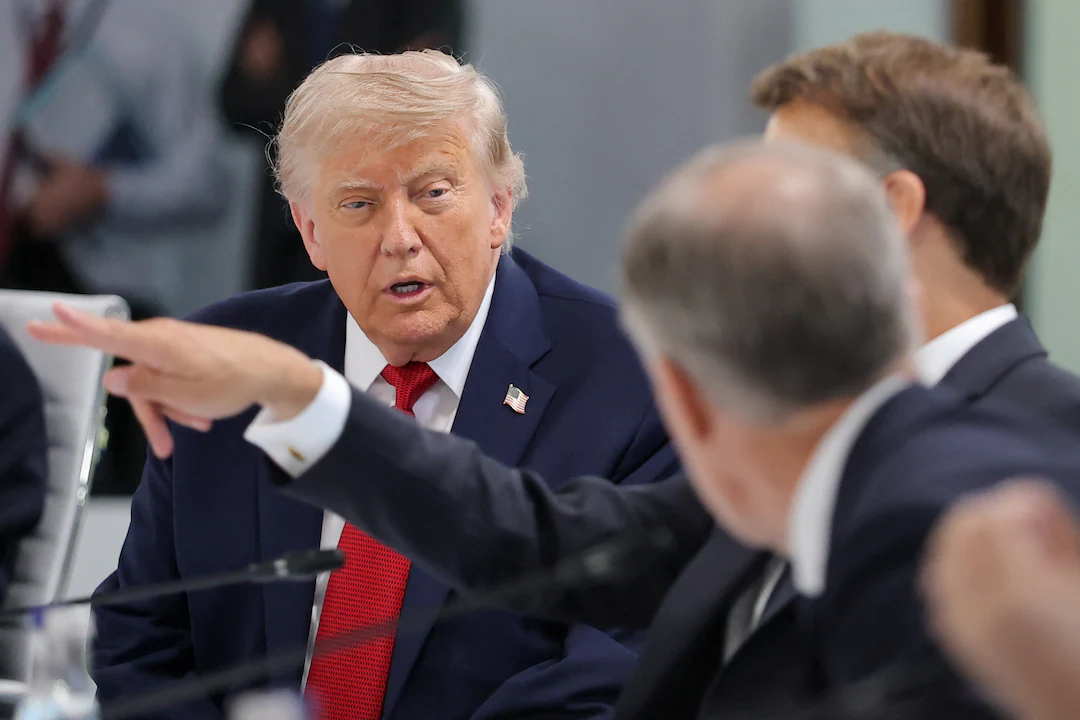
The United States and Iran have formally signed a ceasefire agreement aimed at ending months of conflict and reopening critical Gulf shipping routes, but U.S. President Donald Trump has warned that military action could quickly resume if Tehran fails to comply with the terms of the deal.


The agreement, described as a memorandum of understanding, extends an existing ceasefire by 60 days and creates a framework for negotiations toward a permanent peace settlement. It marks the first time since the 1979 Iranian Revolution that the presidents of the two countries have signed such an agreement.
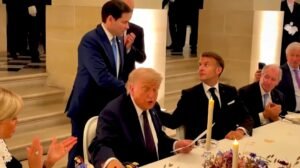
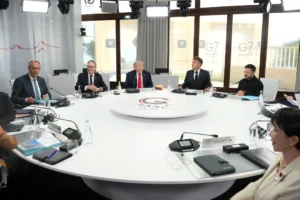
Speaking during the G7 summit in France, Trump emphasized that the accord is conditional and that Washington retains the option of renewed military action if Iran violates its commitments.
“It’s a memorandum of understanding. And if I don’t like it, we’ll go back to shooting at them,” Trump said, underscoring his administration’s willingness to enforce the agreement through military means if necessary.
Under the terms reported by officials and state media, the agreement provides for the reopening of the strategically vital Strait of Hormuz, restoration of maritime traffic in the Gulf, easing of sanctions on Iranian oil exports, and access to frozen Iranian assets. The deal also includes a 60-day negotiating period to address more contentious issues.

However, several major disputes remain unresolved. The agreement does not require the immediate dismantling of Iran’s enriched uranium stockpile, nor does it settle disagreements over Iran’s ballistic missile program or its support for regional allies such as Hezbollah. Those issues are expected to be addressed in future negotiations.
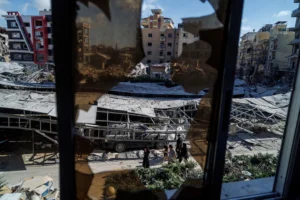
The announcement was welcomed by leaders of the G7 nations, who described the accord as an important step toward reducing tensions in the Middle East. Nevertheless, concerns remain over the durability of the agreement, particularly as fighting continues in parts of Lebanon despite broader ceasefire efforts.
Financial markets reacted positively to the development. Global oil prices fell after news of the agreement raised expectations that Iranian crude exports would return to international markets and shipping through the Strait of Hormuz would normalize. Analysts said the reopening of the waterway could ease pressure on global energy supplies if the ceasefire holds.
Iranian officials described the agreement as a pathway toward ending hostilities and restoring economic stability, while maintaining that discussions over its nuclear program would continue during the next phase of talks.
Despite the diplomatic breakthrough, Trump’s warning has highlighted the fragile nature of the accord. With difficult negotiations still ahead and several core disputes unresolved, the next 60 days are expected to be critical in determining whether the ceasefire evolves into a lasting peace or collapses back into conflict.