
World News
Netanyahu Faces Political Backlash at Home Over Iran Ceasefire Deal

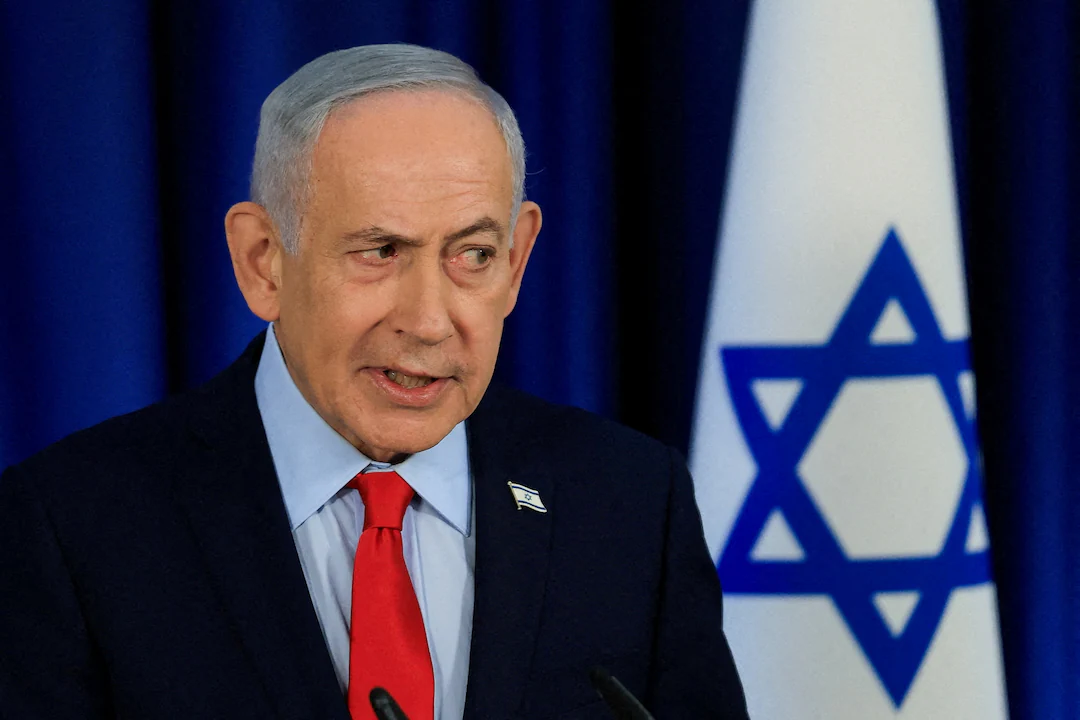
Israeli Prime Minister Benjamin Netanyahu is facing mounting political pressure at home following the newly signed U.S.–Iran ceasefire agreement, with critics warning that the deal could reshape regional security dynamics and trigger voter backlash against his long-standing hardline stance on Iran.


The agreement, signed between Washington and Tehran, has been described by U.S. officials as a temporary framework aimed at reducing tensions and opening the door to broader negotiations. However, the deal has drawn concern in Israel, where political opponents argue it may limit Israel’s strategic freedom in dealing with Iran and its regional allies.
Netanyahu, one of Israel’s longest-serving and most politically resilient leaders, has built much of his political identity around confronting Iran’s nuclear ambitions and regional influence. Analysts say the new agreement could complicate that narrative, particularly if voters perceive it as weakening Israel’s deterrence posture.
Opposition figures in Israel have already begun criticizing the government’s response, accusing Netanyahu of failing to secure stronger guarantees from Washington. Some political commentators argue that the deal may become a central issue in future elections, especially if regional tensions flare again or if Iran is perceived to be violating the agreement.
Public sentiment in Israel remains deeply divided. While some citizens welcome any step that reduces the risk of wider regional war, others view the ceasefire framework as an insufficient safeguard against Iran’s nuclear and military capabilities.
Security analysts note that Israel was not a direct participant in the U.S.–Iran negotiations, raising concerns in Jerusalem that its strategic interests may not be fully reflected in the agreement. Officials close to the government have stressed that Israel retains the right to act independently if it perceives an existential threat.
The timing of the political backlash adds further pressure on Netanyahu, who is already navigating domestic divisions over security policy, judicial reforms, and ongoing regional instability. His critics are expected to use the Iran deal as a focal point for questioning his handling of Israel’s long-term security strategy.
Despite the criticism, Netanyahu is expected to defend his government’s position as one of cautious vigilance, emphasizing Israel’s preparedness to respond to any future escalation. However, analysts say the political cost of the agreement will depend heavily on how the situation with Iran develops in the coming months.
For now, the deal has introduced a new layer of uncertainty into Israeli politics, placing one of the country’s most dominant leaders in a rare position of vulnerability as regional diplomacy reshapes the strategic landscape.