
World News
Vance Signals Fresh Iran Talks as Tehran Claims Strait of Hormuz Closure

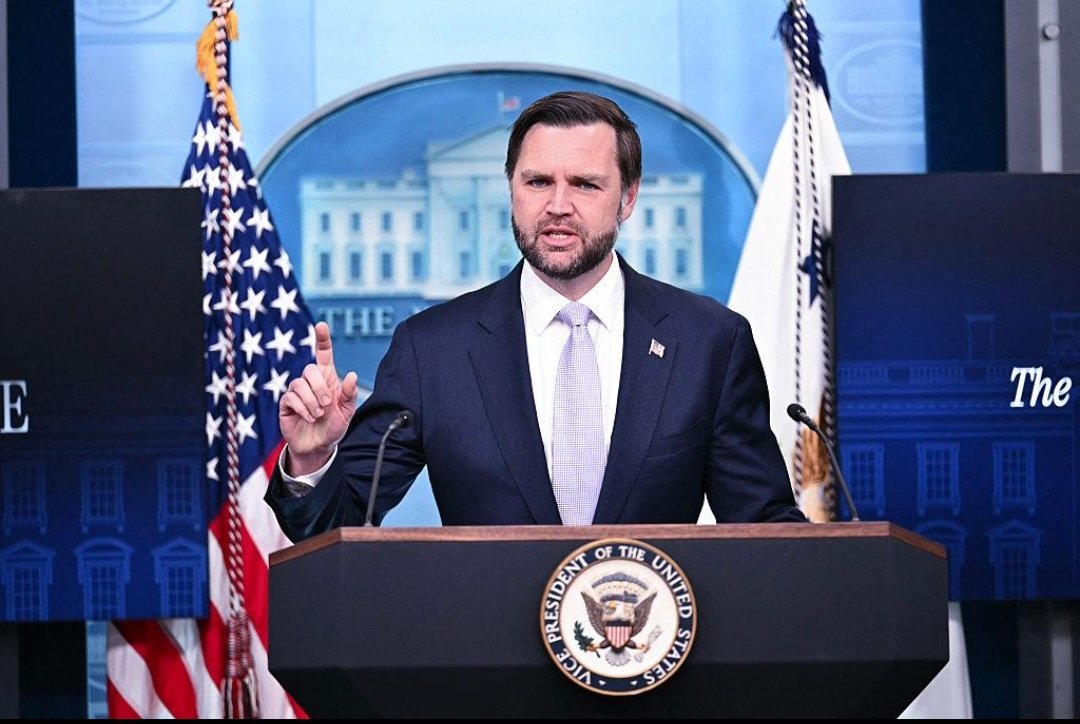
U.S. Vice President JD Vance has said he expects talks between the United States and Iran to take place soon, even as Iran’s Revolutionary Guards and senior military officials declared that the strategic Strait of Hormuz has been closed again over alleged ceasefire violations by the United States and Israel.


According to Iranian state media, Tehran announced the renewed closure of the vital waterway in response to what it described as breaches of a recently negotiated ceasefire arrangement. Iranian officials warned that the move was only a “first step” and suggested additional measures could follow if hostilities continue.

Despite the announcement, Vance disputed claims that maritime traffic had been halted, saying there was no evidence that shipping through the Strait of Hormuz had stopped. He noted that oil exports continued to move through the waterway and expressed optimism that diplomacy could help prevent a further escalation of tensions.
Vance said U.S. negotiators were already in Switzerland preparing for discussions with Iranian representatives. Iran’s Foreign Ministry also confirmed that its delegation was expected to travel for talks aimed at advancing a broader agreement between the two countries.
The renewed dispute over the Strait of Hormuz comes just days after Washington and Tehran announced progress toward an agreement intended to reduce regional tensions and stabilize maritime traffic through one of the world’s most important energy corridors. The waterway handles a significant share of global oil and liquefied natural gas shipments, making any threat to navigation a major concern for international markets.
Meanwhile, tensions remain high in the Middle East following renewed violence in Lebanon. Israeli airstrikes and clashes involving Hezbollah have complicated efforts to preserve a fragile ceasefire and have become a central issue in the ongoing diplomatic discussions between Washington and Tehran.

Energy markets reacted cautiously to the latest developments, with traders closely monitoring conflicting reports over the status of the Strait of Hormuz and the prospects for a successful round of U.S.-Iran negotiations. Analysts warn that any prolonged disruption to shipping through the strait could have significant consequences for global oil supplies and prices.

While both sides have signaled a willingness to continue diplomatic engagement, uncertainty remains over whether the planned talks can ease tensions and prevent further disruptions in one of the world’s most strategically important regions.