
International
Caribbean nations draw up action plan to press UK over slavery reparations

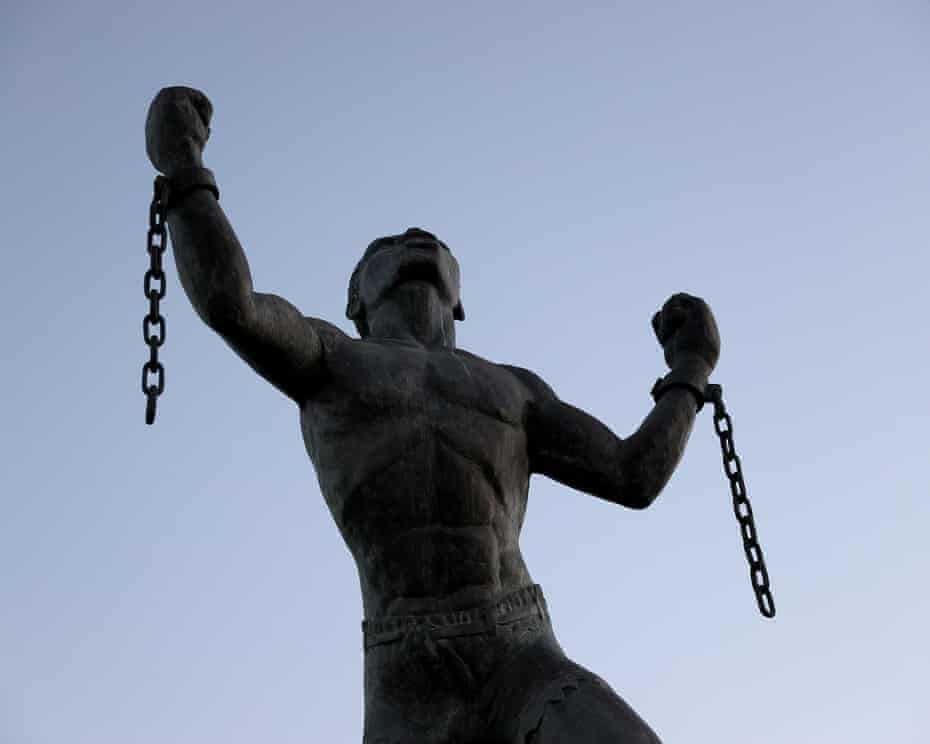
Caribbean nations are developing a coordinated action plan aimed at pushing the United Kingdom into negotiations over reparations for the transatlantic slave trade, with regional leaders also considering legal avenues if diplomatic efforts fail.
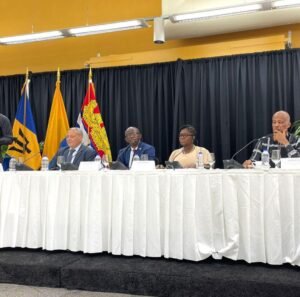
The move followed the Third CARICOM Regional Conference on Reparations, held in Barbados from September 17 to 19, where governments, academics, activists and representatives of the African diaspora discussed strategies for advancing the region’s reparations campaign.
The conference included plans for a Bridgetown Action Plan on Reparations, alongside implementation of a revised CARICOM Ten-Point Plan for Reparatory Justice. The conference organisers said the action plan is intended to provide a practical framework for advancing the reparations agenda.
Caribbean leaders want the issue discussed at upcoming international meetings, including the Commonwealth Heads of Government Meeting scheduled to take place in Antigua and Barbuda in November. CARICOM Secretary-General Dr Carla Barnett said the region was preparing to advance reparations on the agenda of the meeting.
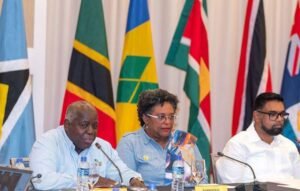
The campaign is not limited to financial compensation. CARICOM’s revised Ten-Point Plan includes areas such as public health, education, cultural development, support for Indigenous communities, debt cancellation, psychological rehabilitation and monetary compensation.
Regional officials have also indicated that legal strategies are being considered. Among the options discussed are proceedings involving Britain’s Privy Council and seeking an advisory opinion from the International Court of Justice.
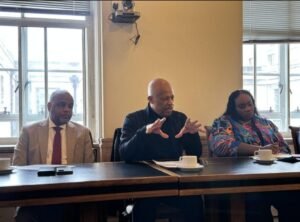
David Comissiong, deputy chair of Barbados’ National Task Force on Reparations, said several legal strategies were being examined. Jamaica’s recent effort to have questions concerning slavery referred to the Judicial Committee of the Privy Council was cited as one possible avenue.

Jamaica’s government lodged a petition with King Charles III earlier this month asking for legal questions concerning Britain’s role in slavery in Jamaica to be referred to the Privy Council. The petition also asks whether the UK has a legal obligation to provide reparatory remedies to Jamaica.
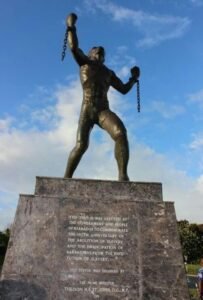
The renewed Caribbean push comes after the UN Committee on the Elimination of Racial Discrimination adopted guidance in August stating that states have obligations under the International Convention on the Elimination of All Forms of Racial Discrimination to consider reparatory measures for the transatlantic slave trade and its continuing consequences. The committee said reparations could include measures beyond financial compensation, such as truth-telling, education, preservation of historical memory and action to address structural inequalities.
In March, the UN General Assembly also adopted a resolution describing the trafficking and racialised chattel enslavement of Africans as the “gravest crime against humanity”. Britain was among the countries that abstained from the vote.
However, the British government has maintained that it will not pay reparations. The UK’s position was reiterated this month, according to reports, as Caribbean governments prepared to intensify discussions on the issue.
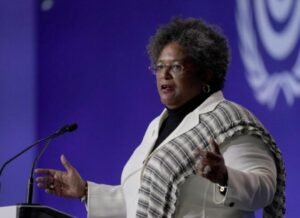
Barbados Prime Minister Mia Mottley, who chairs CARICOM’s Prime Ministerial Sub-Committee on Reparations, said the Caribbean’s objective was not to bankrupt Britain but to pursue what she described as justice for the historical and continuing consequences of slavery.
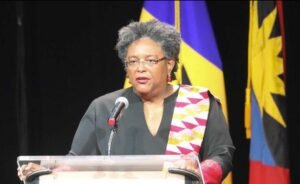
At the Barbados conference, Mottley also announced plans to establish a technical committee of historians and economists to quantify Barbados’ claim relating to more than two centuries of slavery, saying the country needed evidence to substantiate its case.
The Caribbean campaign is therefore moving into a new phase, combining diplomatic engagement, historical research and potential legal action as regional governments seek discussions with Britain over reparatory justice.