
International
Why American voters turned against Trump’s Republicans in 2026 midterms

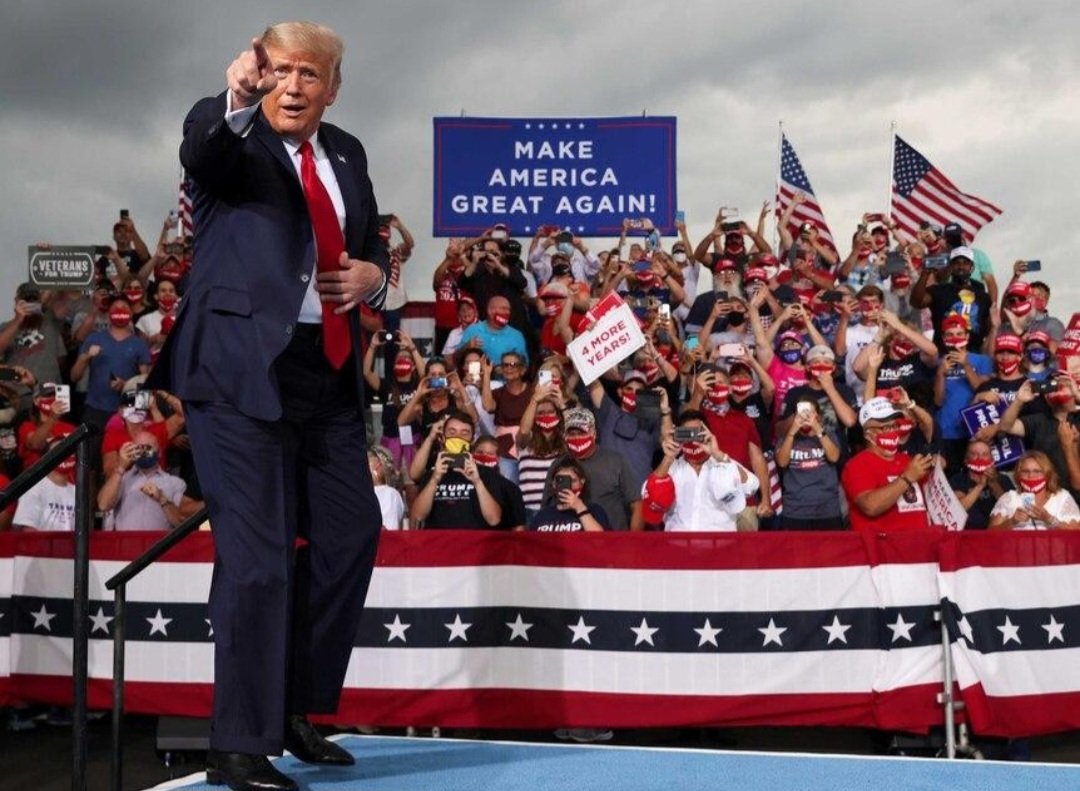
The 2026 US midterm elections have delivered a major setback for President Donald Trump and the Republican Party, with Democrats winning control of both chambers of Congress.
The scale of the defeat represents a significant rejection of Trump’s leadership and policies, with voters in traditionally Republican strongholds turning towards Democratic candidates.
Five reasons Republicans suffered heavy losses in US midterm elections
1. Rising cost of living
The high cost of essential goods emerged as one of the biggest concerns among American voters.
Rising grocery bills, fuel prices and household expenses fuelled public frustration, with many voters holding the Trump administration responsible for their financial difficulties.

According to BBC’s analysis, 79 per cent of voters said inflation had caused moderate or severe hardship for their families over the past year.
The economic concerns provided Democrats with an opportunity to win over voters who had previously supported Republicans.
2. Unpopular war with Iran
The US-Israeli war with Iran also contributed significantly to Republican losses.
The conflict, which began in February, triggered a major disruption to global energy supplies after Iran effectively closed the Strait of Hormuz in retaliation, pushing fuel prices higher.

BBC reported that 63 per cent of voters believed the US was wrong to take military action against Iran, while 74 per cent considered the conflict a major or crucial factor in their congressional vote.
3. Democrats ran more focused campaigns
Democratic candidates also benefited from campaigns that concentrated on issues directly affecting ordinary Americans.
Rather than relying heavily on attacks against Trump, several candidates made the cost of living, healthcare affordability and corruption central to their campaigns.

In Texas, Democrat James Talarico secured a significant victory, while other Democratic candidates recorded unexpected wins in traditionally Republican states.
The BBC noted that some Republican candidates struggled to communicate effectively with voters, with their campaigns failing to address pressing public concerns.
4. Trump’s declining popularity
Trump’s personal popularity became a major electoral liability for Republican candidates.
The president placed himself at the centre of the Republican campaign, urging supporters to treat the election as a judgment on his administration.

However, dissatisfaction with his handling of the economy, the Iran conflict and other domestic issues appeared to undermine that strategy.
The Washington Post’s election analysis found that 61 per cent of voters disapproved of Trump’s performance, while the Associated Press reported widespread dissatisfaction with his administration’s priorities.
His prominence in the campaign meant that Republican candidates could not easily distance themselves from the president’s controversial decisions.
5. Hispanic and Black voters shifted towards Democrats
Another significant factor was the changing political preference among Hispanic and Black voters.

Trump made considerable gains among some of these groups during the 2024 presidential election, helping secure his return to the White House.
A major political setback for Trump
The results represent a significant challenge for Trump as Democrats prepare to take control of both chambers of Congress.
The new Democratic majority is expected to have greater powers to scrutinise the administration, challenge its legislative priorities and block some of its political appointments.
Beyond the immediate electoral consequences, the defeat raises questions about Trump’s influence within the Republican Party and the party’s strategy ahead of the 2028 presidential election.