
International
Hegseth Defies Impeachment Calls, Defends Iran War as ‘Courageous and Historic’

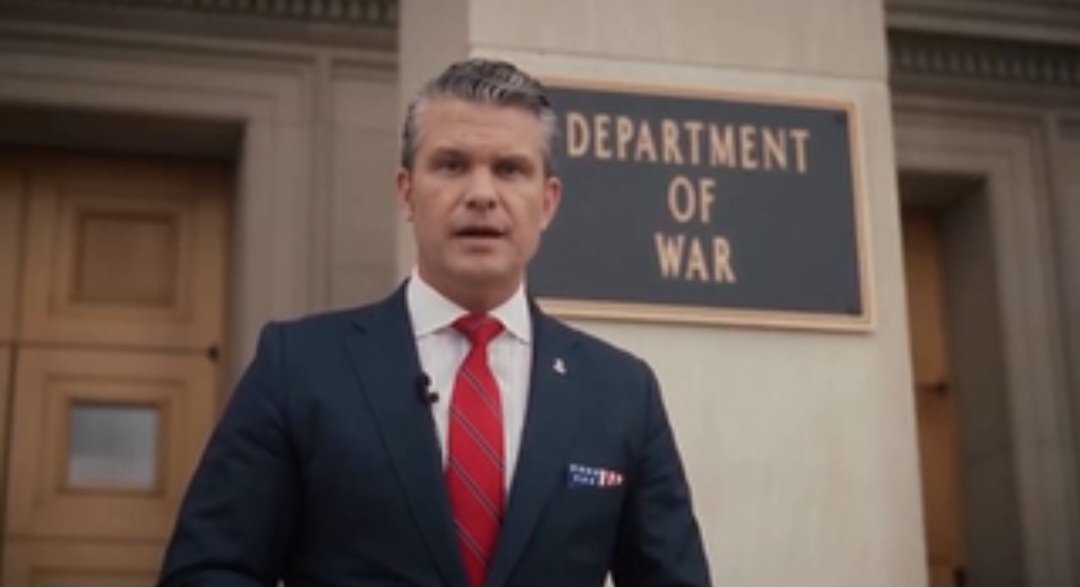
US Defence Secretary Pete Hegseth has vowed to resist efforts to impeach him, insisting he will not back down from mounting political pressure as he defended the ongoing war against Iran following the Republican Party’s losses in the November 3 midterm elections.
Hegseth made the declaration in a video message released on Thursday, November 5, in which he dismissed the impeachment campaign against him as political persecution and defended the US military campaign as a courageous and historic effort to prevent Iran from acquiring nuclear weapons.

The video came amid growing criticism of his leadership, with Democratic lawmakers preparing investigations into the Pentagon’s handling of the conflict and Republican Representative Thomas Massie of Kentucky promising to reintroduce articles of impeachment against the defence chief.
Massie, who has criticised the administration’s military actions, argues that the prolonged campaign against Iran was conducted without proper congressional authorisation, raising questions about compliance with the War Powers Resolution of 1973.
He has indicated that the impeachment effort could come before the House of Representatives when lawmakers return next week.

Responding to the threat, Hegseth described the proposed proceedings as a sham, accusing his opponents of engaging in what he called the politics of personal destruction.
He also drew comparisons with President Donald Trump, who was impeached twice during his political career, insisting that similar efforts against him would fail.
In the video, Hegseth defended his leadership at the Pentagon, highlighting the removal of senior military officials, the dismantling of diversity, equity and inclusion programmes, and changes to military recruitment and personnel policies as evidence of the administration’s achievements.

He maintained that the military would continue pursuing Trump’s national security agenda and urged lawmakers to support increased defence spending.
“Regardless of how people feel about the war, which I believe is a courageous and historic effort that will ensure Iran never gets a nuclear weapon, we need to continue … to rebuild our military,” he said.
Hegseth also appealed to what he described as patriotic members of Congress to support a proposed $350 billion investment in rebuilding the military and strengthening the country’s defence industrial base.
His comments came after Republicans suffered significant setbacks in the midterm elections, losing control of Congress to Democrats.
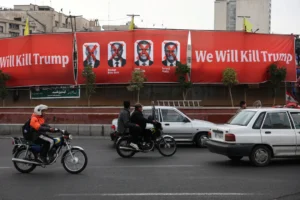
The outcome has intensified scrutiny of the administration’s decision to pursue military operations against Iran, with Vice President JD Vance publicly questioning the political cost of the conflict and suggesting that it contributed to the Republican defeat.
Democratic House leader Hakeem Jeffries also questioned why Hegseth remained in office, reflecting growing opposition to the Pentagon chief’s handling of the war and his management of the military establishment.
President Trump, however, has publicly defended Hegseth, praising his performance and dismissing suggestions that he would immediately remove him from the administration.
Trump also linked opposition to the defence secretary to his decision to remove several senior military officers, whom he described as ineffective.
Beyond the Iran conflict, Democrats are preparing broader investigations into Hegseth’s management of the Pentagon, including the removal of the chairman of the Joint Chiefs of Staff, military operations in Ukraine and US strikes against suspected drug-trafficking vessels in Latin American waters.
The investigations are expected to intensify when Democrats assume control of Congress in January 2027.
Hegseth’s political future remains uncertain despite Trump’s public support, as the administration faces mounting pressure over the cost of the Iran war, military leadership changes and its broader defence policies.
The confrontation is shaping up to be an early test of the incoming Democratic-controlled Congress and its willingness to challenge the Trump administration’s national security decisions.