
International
Hong Kong Activist Joshua Wong Jailed for 10 More Years Under National Security Law

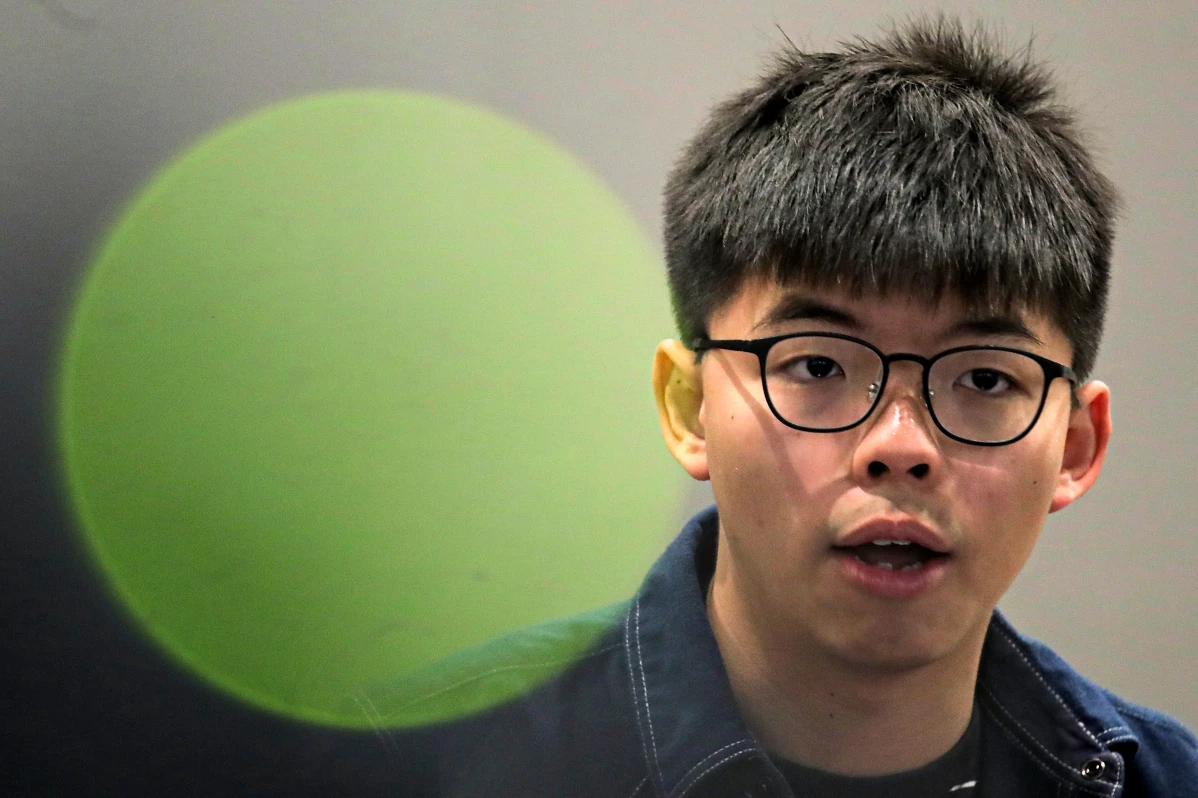
Hong Kong democracy activist Joshua Wong has been sentenced to 10 more years in prison after pleading guilty to conspiring to collude with foreign forces under the territory’s Beijing-imposed national security law.

The 30-year-old former student leader was sentenced on Thursday, November 5, by the High Court in Hong Kong. The ruling means he is expected to remain behind bars until late 2036, extending a period of imprisonment that has already lasted almost six years.
Wong had been expected to leave prison in January 2027 after serving a four-year and eight-month sentence for subversion in a separate national security case. However, authorities charged him again in June 2025, accusing him of working with overseas activists to encourage foreign governments to impose sanctions and other measures against China and Hong Kong.
Judge William Tam described the latest offence as grave and characterised Wong and exiled activist Nathan Law as leading figures in the alleged conspiracy. The judge set a starting sentence of 13 years but reduced it by three years in recognition of Wong’s guilty plea and mitigating circumstances.
The remaining two months and two days of Wong’s earlier sentence will run concurrently with the new term, according to the court.
Prosecutors alleged that Wong worked with Law and others between 2016 and November 2020 to seek foreign intervention against Chinese and Hong Kong officials. The case focused on international lobbying, media interviews, online petitions and efforts to encourage sanctions over alleged human rights abuses in the city.
Wong, who co-founded the pro-democracy group Demosisto, rose to international prominence during Hong Kong’s 2014 Umbrella Movement, when thousands of demonstrators occupied major roads to demand greater democratic freedoms. He later became one of the most recognisable faces of the mass pro-democracy protests that swept the territory in 2019.
Beijing introduced the sweeping National Security Law in June 2020 following months of unrest. The legislation criminalises acts including secession, subversion, terrorism and collusion with foreign forces. Chinese and Hong Kong authorities have defended the law as necessary to restore stability and protect national security.

Human Rights Watch condemned Thursday’s sentence, describing it as “cruel and unjust” and arguing that the authorities were using successive national security prosecutions to keep prominent opposition figures behind bars. The organisation called on foreign governments to denounce the ruling and consider targeted sanctions against officials responsible for what it described as repression.
The sentence also drew criticism from Taiwan, whose government accused Beijing and Hong Kong authorities of continuing political persecution against pro-democracy activists.
Hong Kong police, however, welcomed the ruling. Steve Li, chief superintendent of the police National Security Department, said the sentence demonstrated that Wong’s efforts to encourage foreign sanctions had failed and urged him to reflect on his actions.
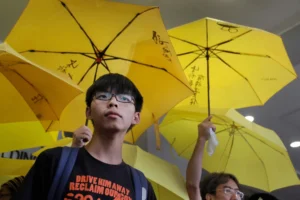
Wong appeared calm in court and acknowledged supporters as he left following the sentencing. In a statement written from prison, he said his political participation had not been motivated by hatred and that he had never advocated Hong Kong independence. He also reflected on his years in detention, saying he had used the time to study, read and reconsider his past decisions.
His latest sentence adds to a series of prosecutions that have weakened Hong Kong’s once-vibrant pro-democracy movement. Several prominent activists have been jailed, while others have left the territory or disbanded their organisations.
The case has become another flashpoint in the debate over Hong Kong’s autonomy, civil liberties and the reach of Beijing’s national security legislation, with rights groups warning that the prolonged imprisonment of leading activists could further discourage political opposition in the territory.